

Brown Rice (1 Cup, Cooked) and English Toor Dal (1 Cup)
 Lunch
Lunch
159 mg/dL
avg. peak value
Usually has a stable response
Avg. Food Score on Ultrahuman App
Ultrahuman Users got an UNSTABLE response
How to consume brown rice, english toor dal without glucose spikes
Portion Control
Start by reducing the portion size of brown rice and toor dal you consume in one sitting. Smaller portions can help in managing blood sugar levels.
Add Fiber
Incorporate high-fiber vegetables such as broccoli, spinach, or zucchini into your meal. Fiber slows the absorption of sugar, helping to prevent spikes.
Include Healthy Fats
Add sources of healthy fats like avocado, nuts, or seeds to your meal. Healthy fats can moderate blood sugar levels by slowing digestion.
Pair with Protein
Add a lean protein source, such as chicken, fish, tofu, or legumes, to your meal. Protein can help stabilize blood sugar by slowing carbohydrate absorption.
Vinegar
Consider adding a small amount of vinegar-based dressing to your meal, as vinegar has been shown to help control blood sugar levels.
Cook and Cool
If possible, cook the brown rice and allow it to cool before reheating and eating. This process increases the resistant starch content, which can help reduce blood sugar impact.
Opt for Mixed Grains
Mix brown rice with other low-impact grains like barley or quinoa to balance its effect on blood sugar levels.
Stay Hydrated
Drink water throughout your meal to help your body process the carbohydrates more efficiently.
Mindful Eating
Eat slowly and chew thoroughly to allow your body time to manage the carbohydrate intake more effectively.
Regular Physical Activity
Engage in light physical activity, such as walking, after your meal to assist in lowering blood sugar levels.
Discover
metabolic
health with M1
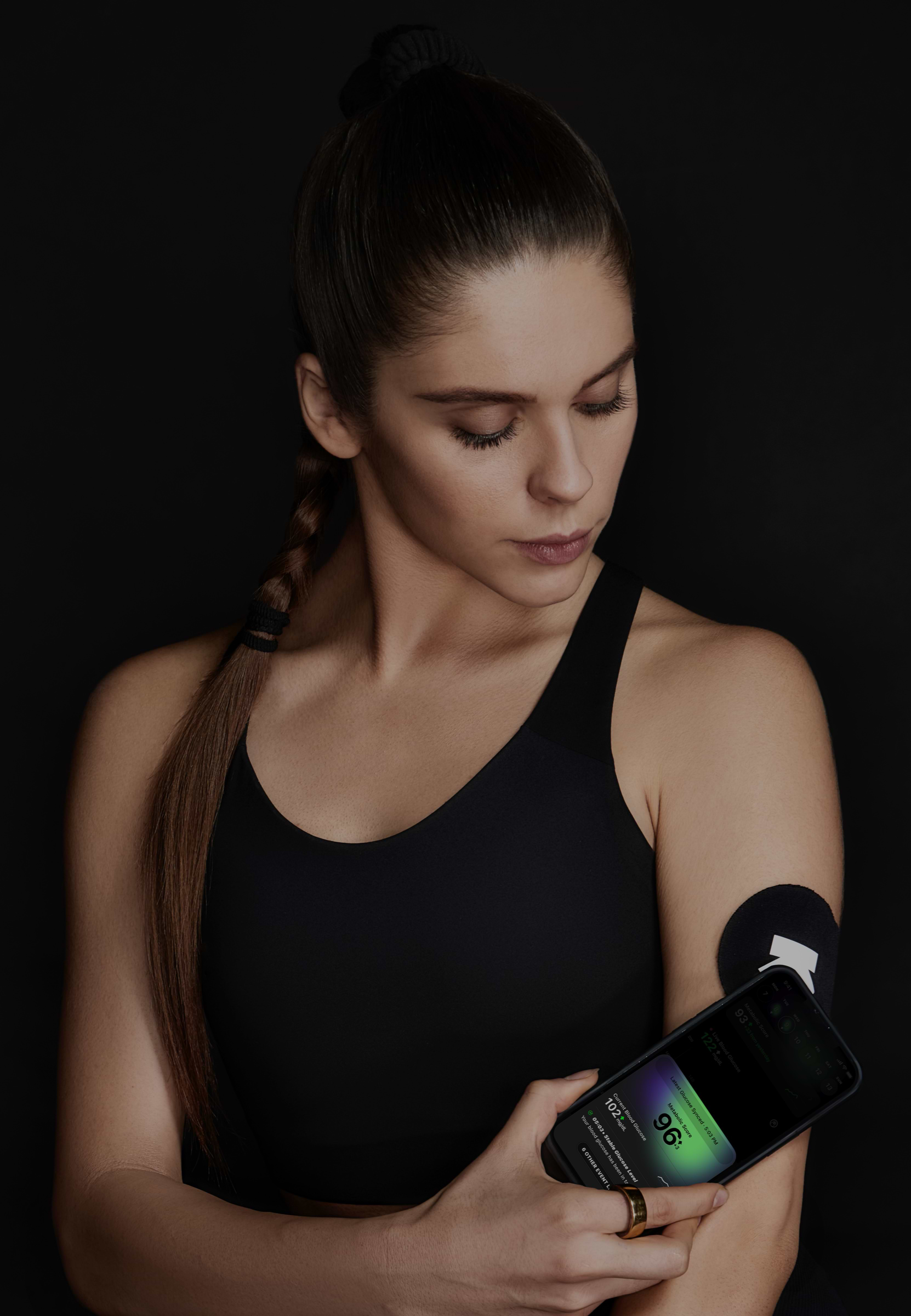
Ultrahuman M1 helps you measure the impact of food and activity on your body in real time through glucose as a biomarker.
Explore Ultrahuman M1Find Glucose response for your favourite foods
Explore OGDbYour cart is empty
Browse through our products and find something for you.