

Cappuccino (1 Mug (8 Fl Oz)) and Egg Omelet or Scrambled Egg with Vegetables (1 Serving (82g))
 Breakfast
116 mg/dL
avg. peak value
Usually causes a medium spike
Avg. Food Score on Ultrahuman App
Ultrahuman Users got a STABLE response
How to consume cappuccino | egg omelet or scrambled egg with vegetables without glucose spikes
Portion Control
Keep your servings of cappuccino and eggs moderate to avoid excessive intake of carbohydrates and proteins that might cause spikes in blood sugar.
Choose Whole Grains
If you enjoy a side of toast with your eggs, opt for whole-grain or multigrain bread as they are digested more slowly.
Add Fiber
Incorporate high-fiber vegetables like spinach, bell peppers, or tomatoes into your omelet. This can slow down the absorption of glucose.
Healthy Fats
Include healthy fats such as avocado slices or a sprinkle of nuts or seeds with your meal to help moderate glucose levels.
Balanced Proteins
Ensure that your eggs are part of a balanced meal with other protein sources like a small portion of lean turkey or chicken.
Limit Sugary Additions
Avoid adding sugar or syrup to your cappuccino. Use a natural sweetener like stevia or enjoy it with unsweetened almond or soy milk.
Hydrate with Water
Drink a glass of water before and after your meal to help with digestion and glucose regulation.
Add a Side Salad
Include a small side salad with mixed greens and a vinaigrette dressing, which can add volume and nutrients without causing spikes.
Time Your Meals
Try to eat at regular intervals throughout the day to maintain stable blood sugar levels and avoid sudden spikes.
Regular Physical Activity
Engage in light physical activity, such as a short walk after meals, to help your body manage glucose levels more effectively.
Discover
metabolic
health with M1
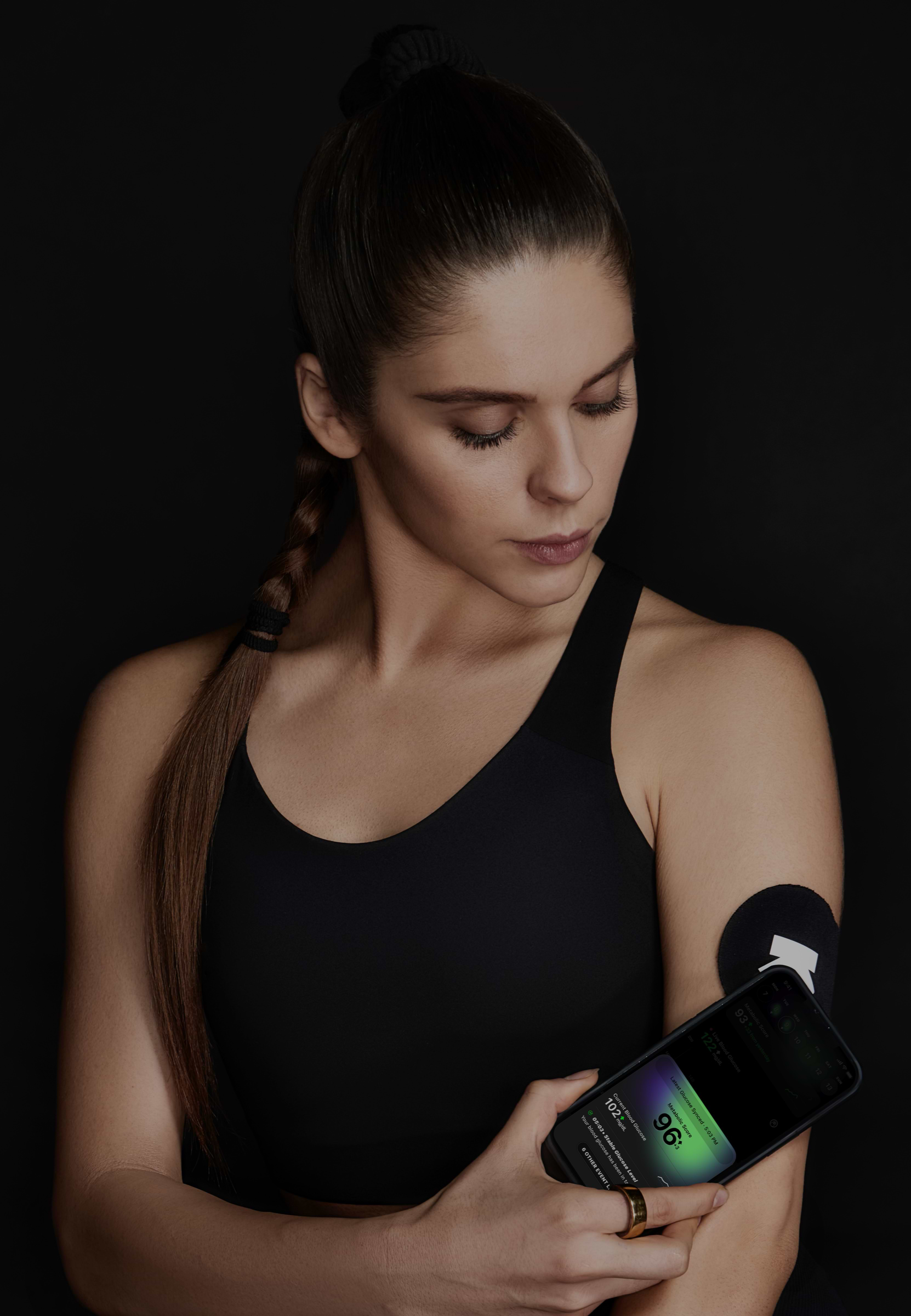
Ultrahuman M1 helps you measure the impact of food and activity on your body in real time through glucose as a biomarker.
Explore Ultrahuman M1Find Glucose response for your favourite foods
Explore OGDbYour cart is empty
Browse through our products and find something for you.