

Introducing Pulsomics. Contribute to science. Learn MoreIntroducing Pulsomics. Contribute to science.
M2 Live is here. Continuous Glucose Tracking, no Rx
Introducing Pulsomics. Contribute to science. Learn MoreIntroducing Pulsomics. Contribute to science.
Ultrahuman Ring
Choose the ring built for you.

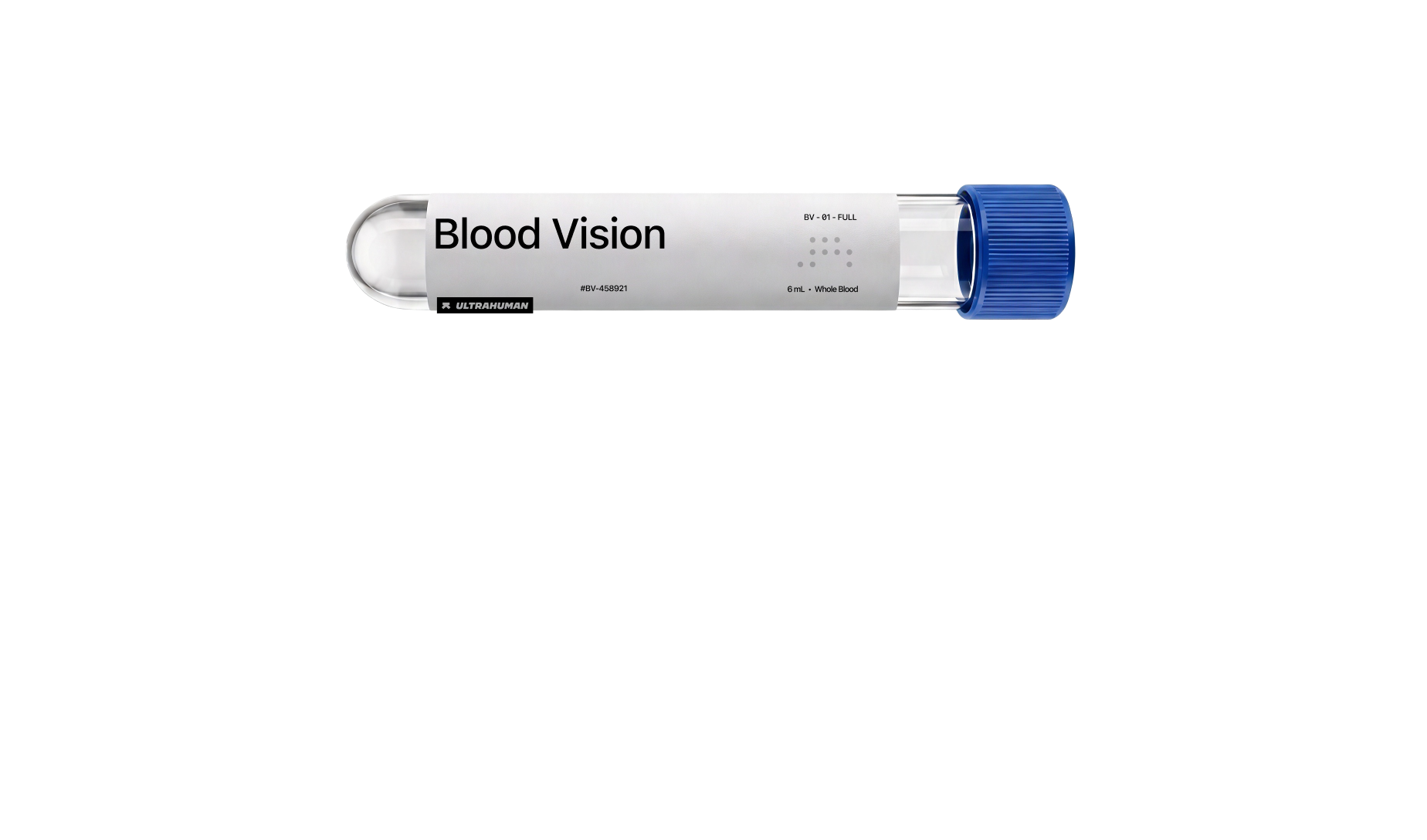
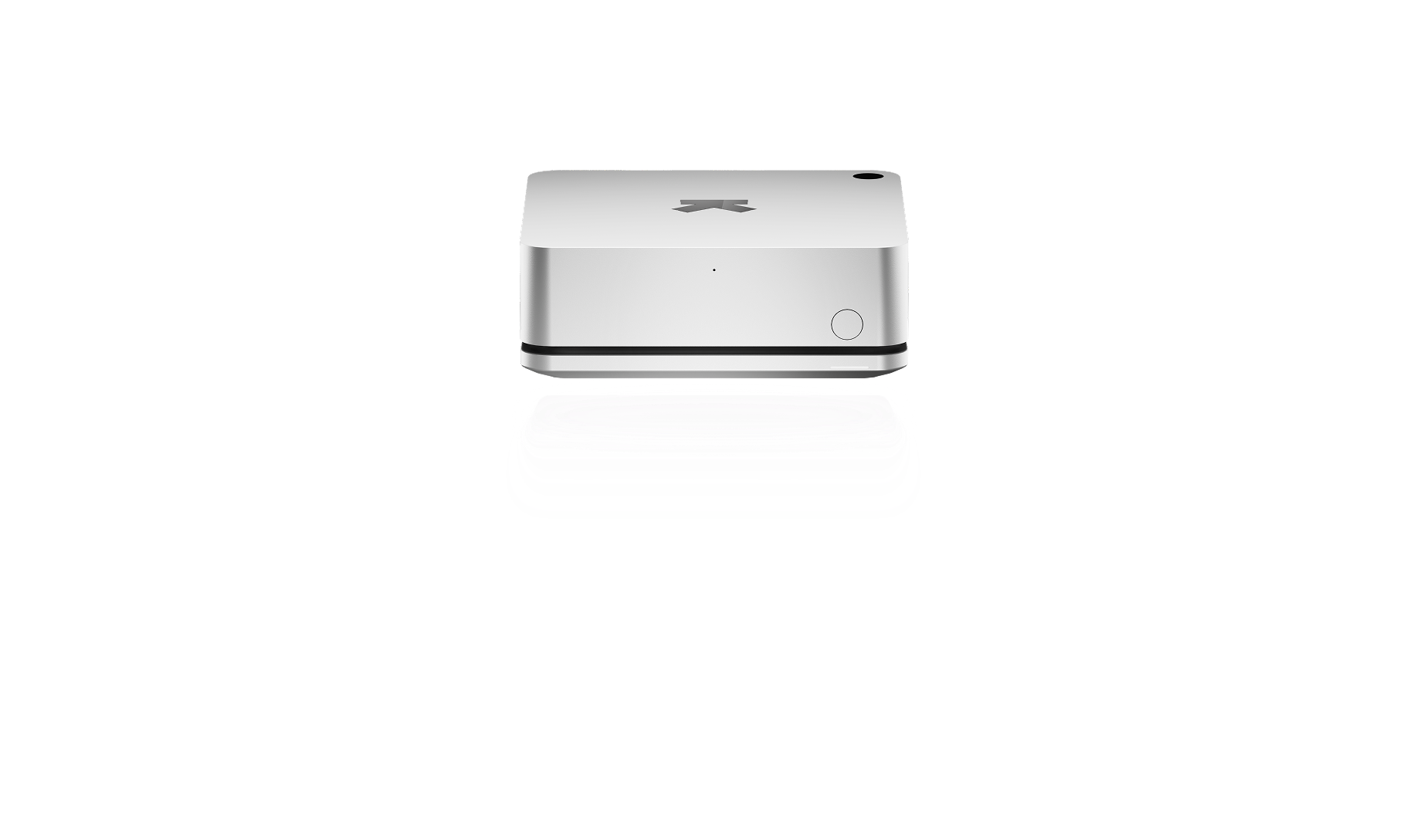
Performance Lab
Train, test and recover at our Bengaluru facility.


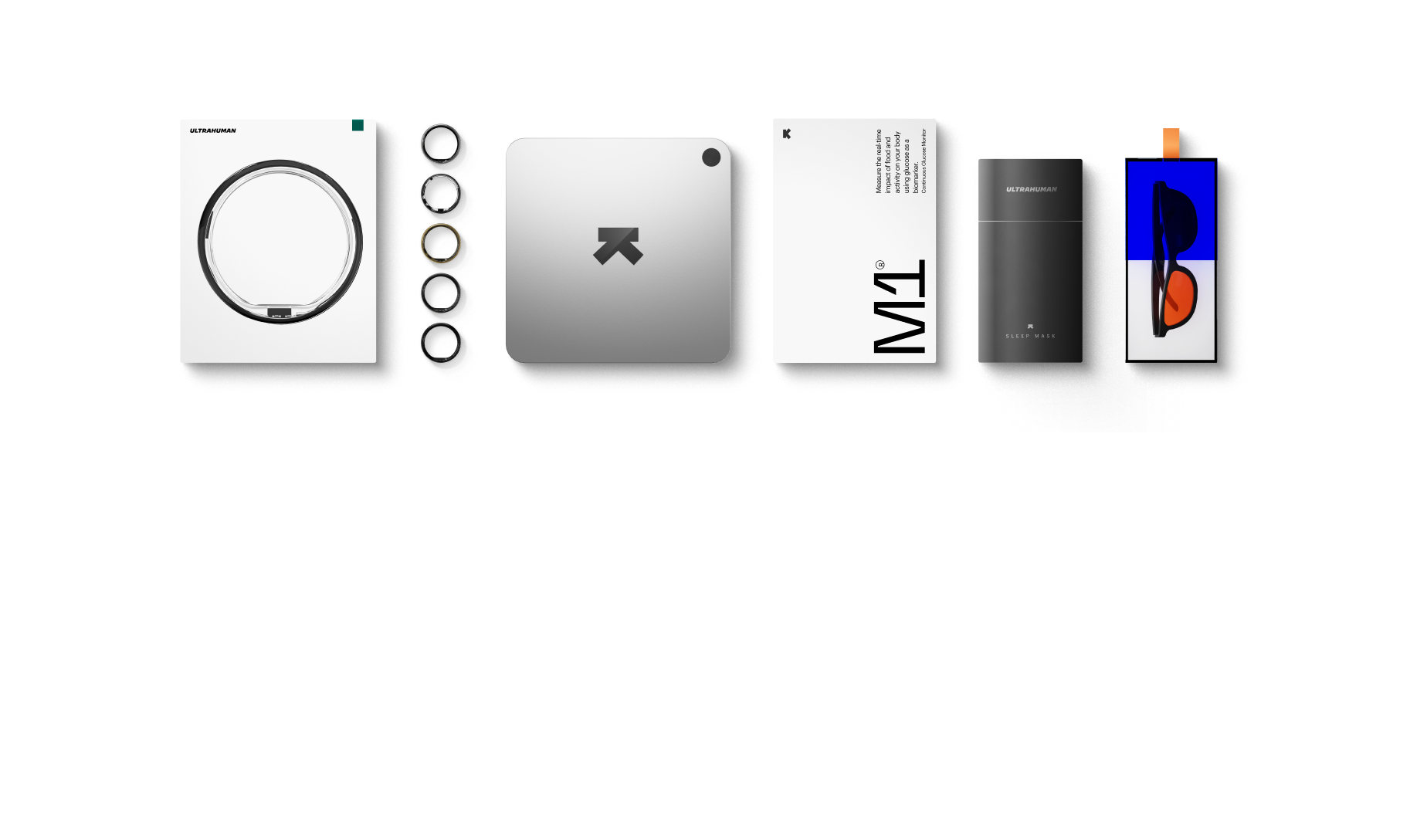
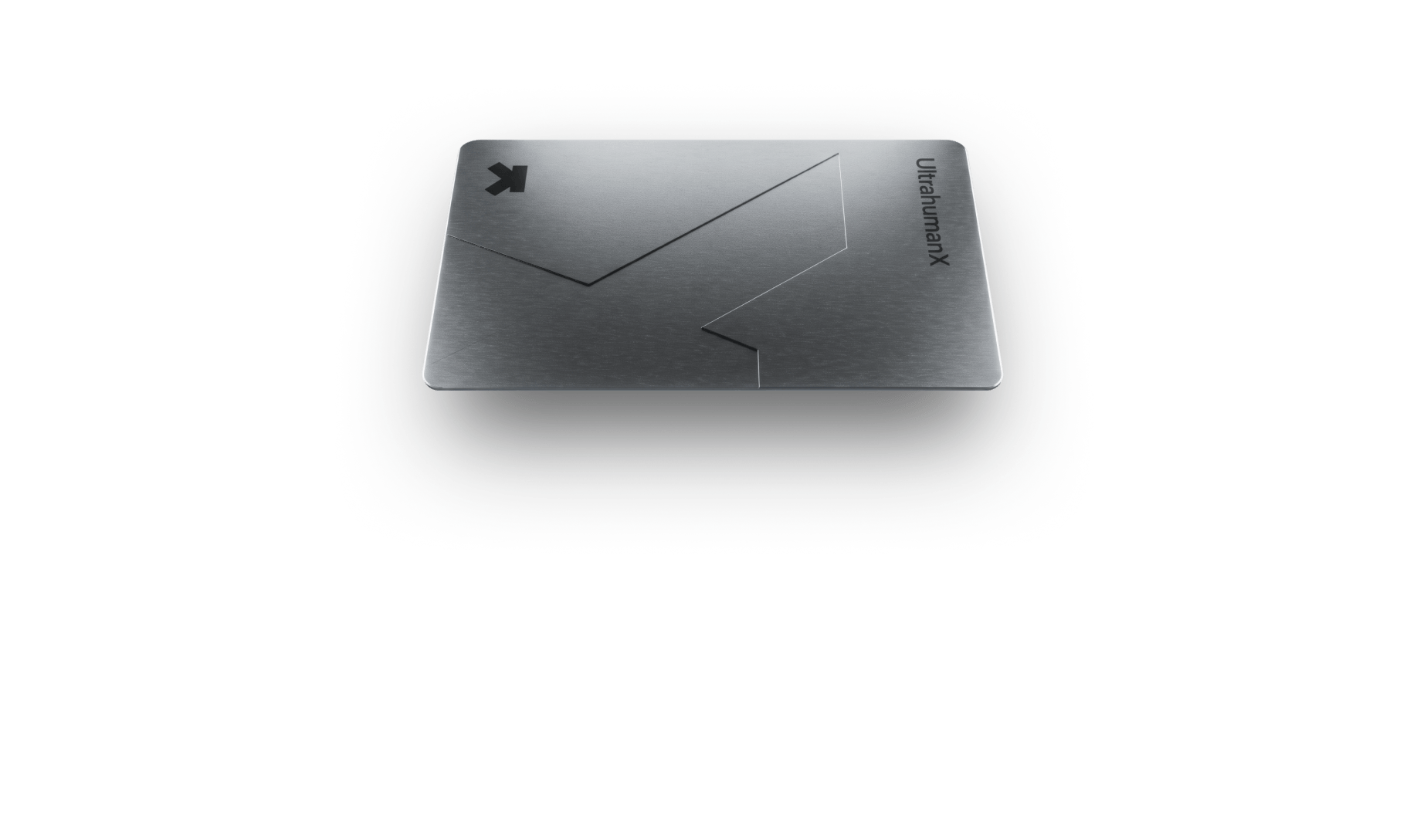
Science & Research

Lunch (1 piece) and Breakfast (1 piece)
 Breakfast
129 mg/dL
avg. peak value
Usually causes a medium spike
Avg. Food Score on Ultrahuman App
90%
Ultrahuman Users got an UNSTABLE response
How to consume Breakfast | Lunch without glucose spikes

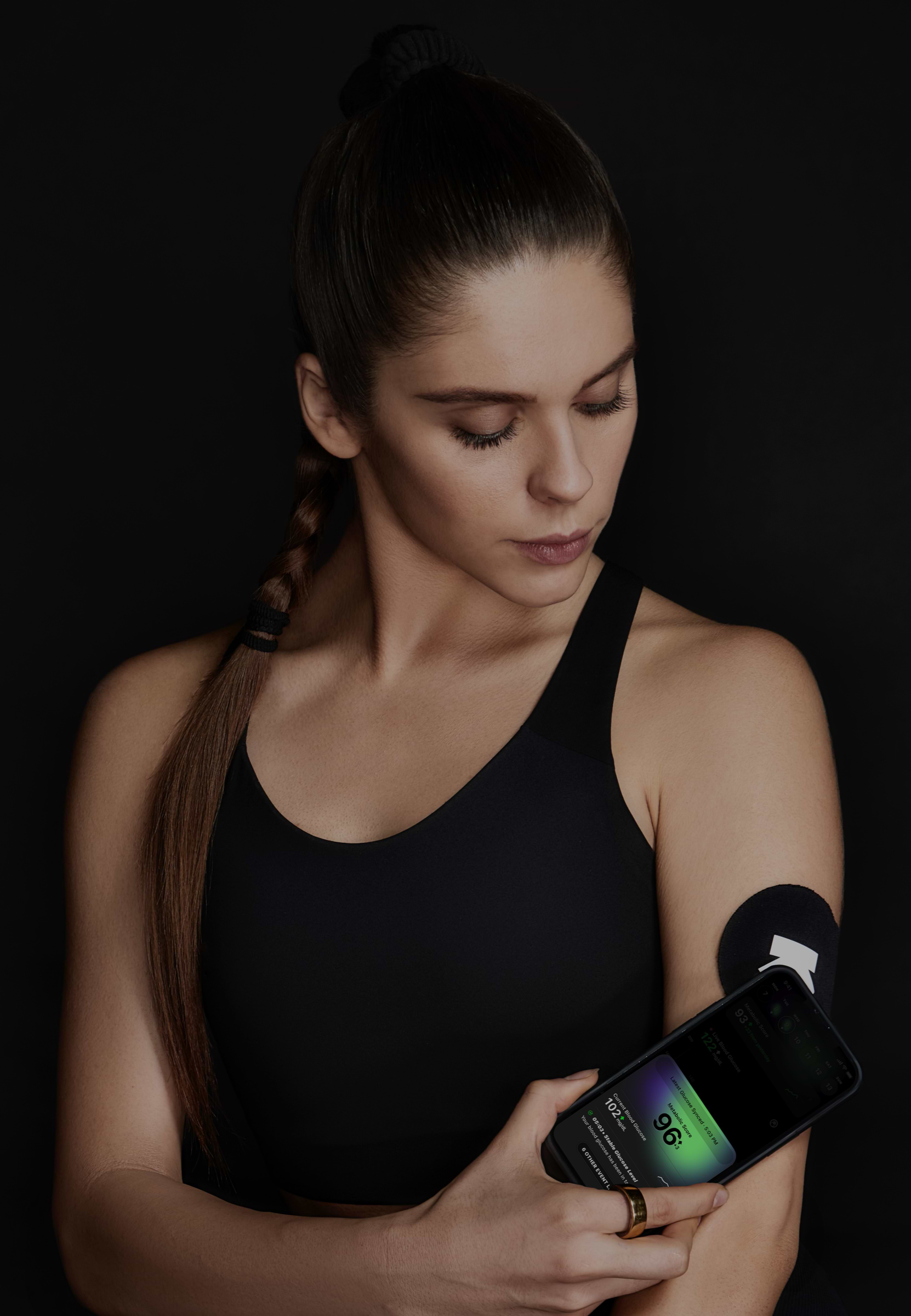
Discover
metabolic
health with M1
Ultrahuman M1 helps you measure the impact of food and activity on your body in real time through glucose as a biomarker.
Explore Ultrahuman M1Find Glucose response for your favourite foods
Explore OGDbYour cart is empty
Looks like you haven't added anything yet. Explore our products to get started.