
Introducing Pulsomics. Contribute to science. Learn MoreIntroducing Pulsomics. Contribute to science.
M2 Live is here. Continuous Glucose Tracking, no Rx
Introducing Pulsomics. Contribute to science. Learn MoreIntroducing Pulsomics. Contribute to science.
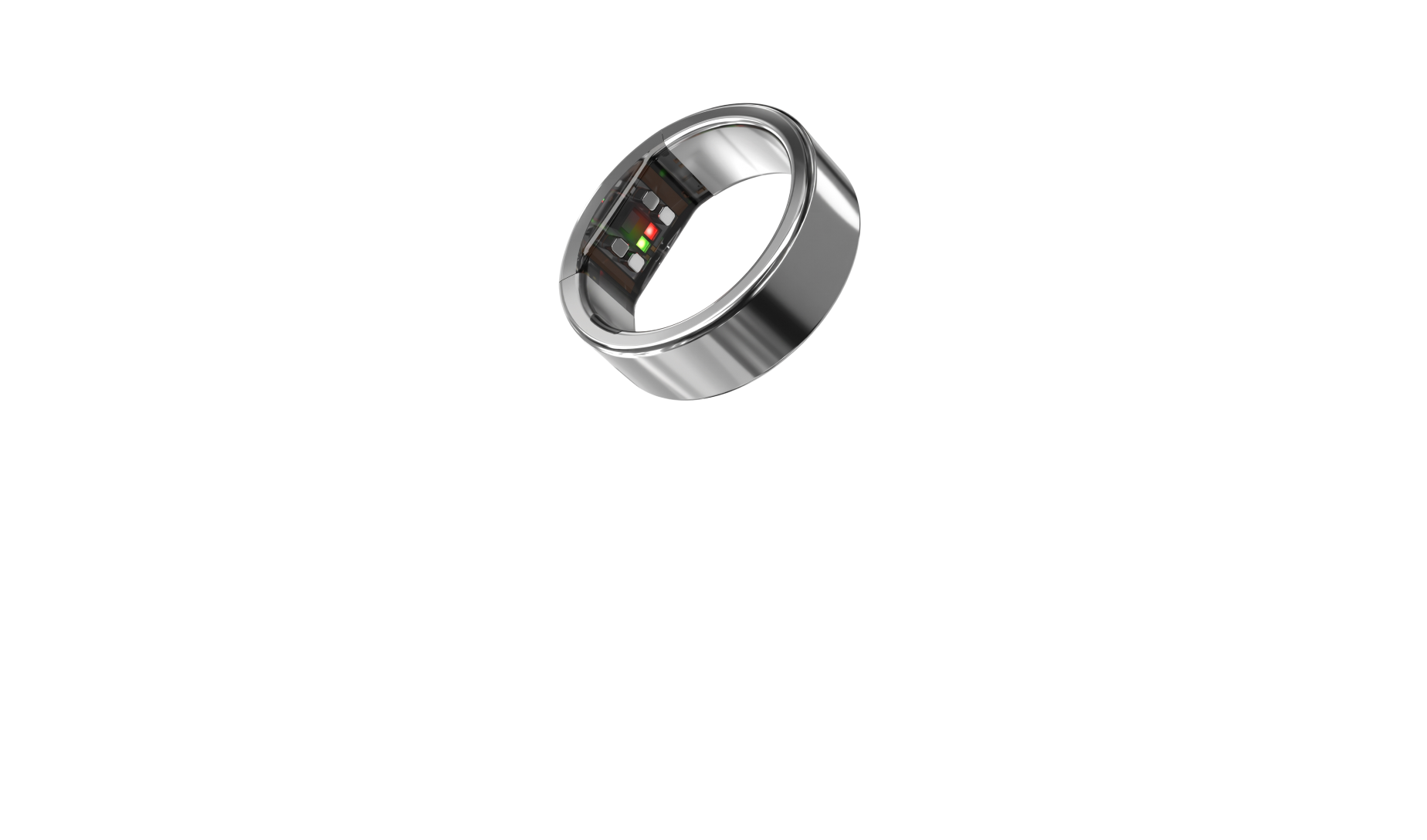
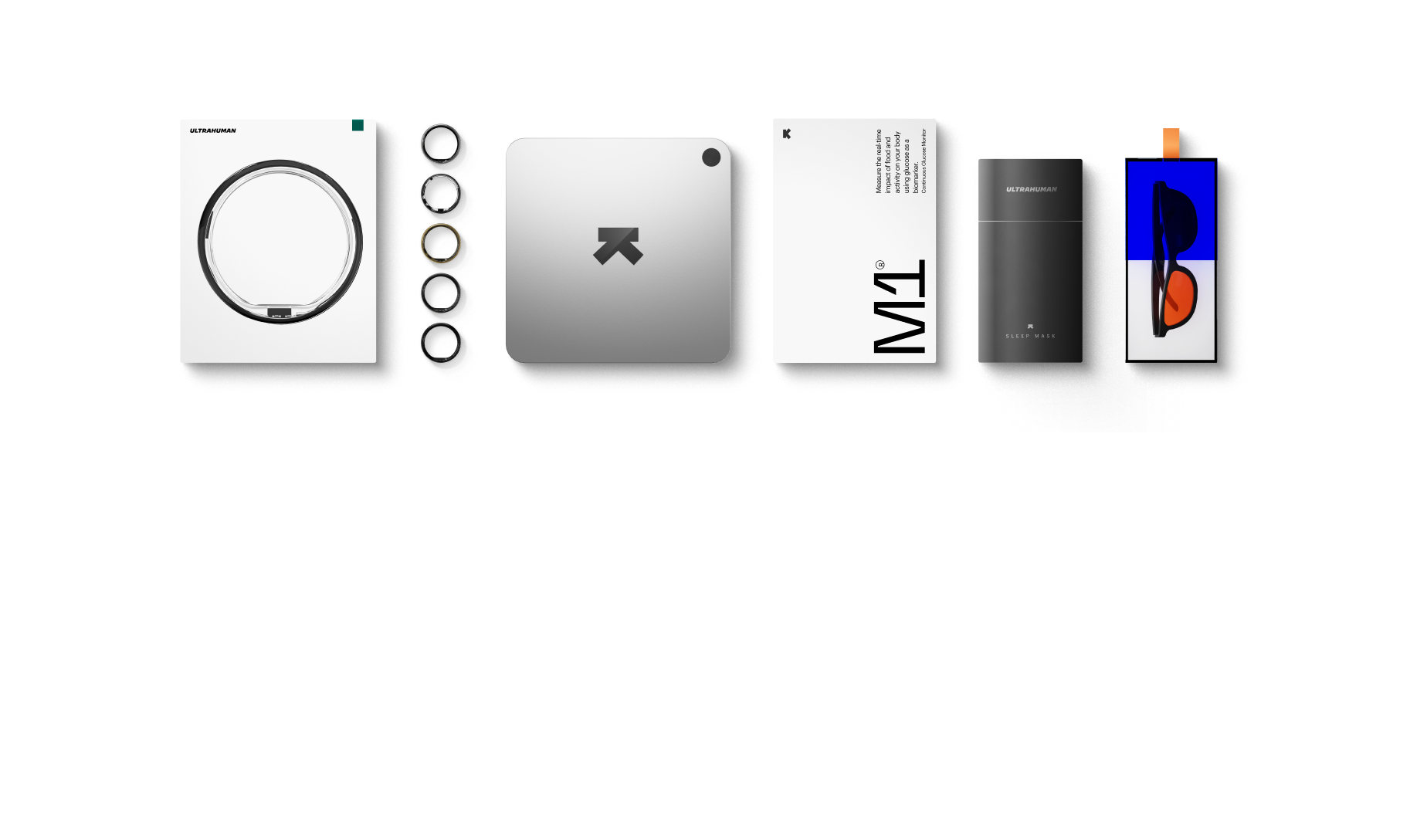
Ultrahuman Ring
Choose the ring built for you.

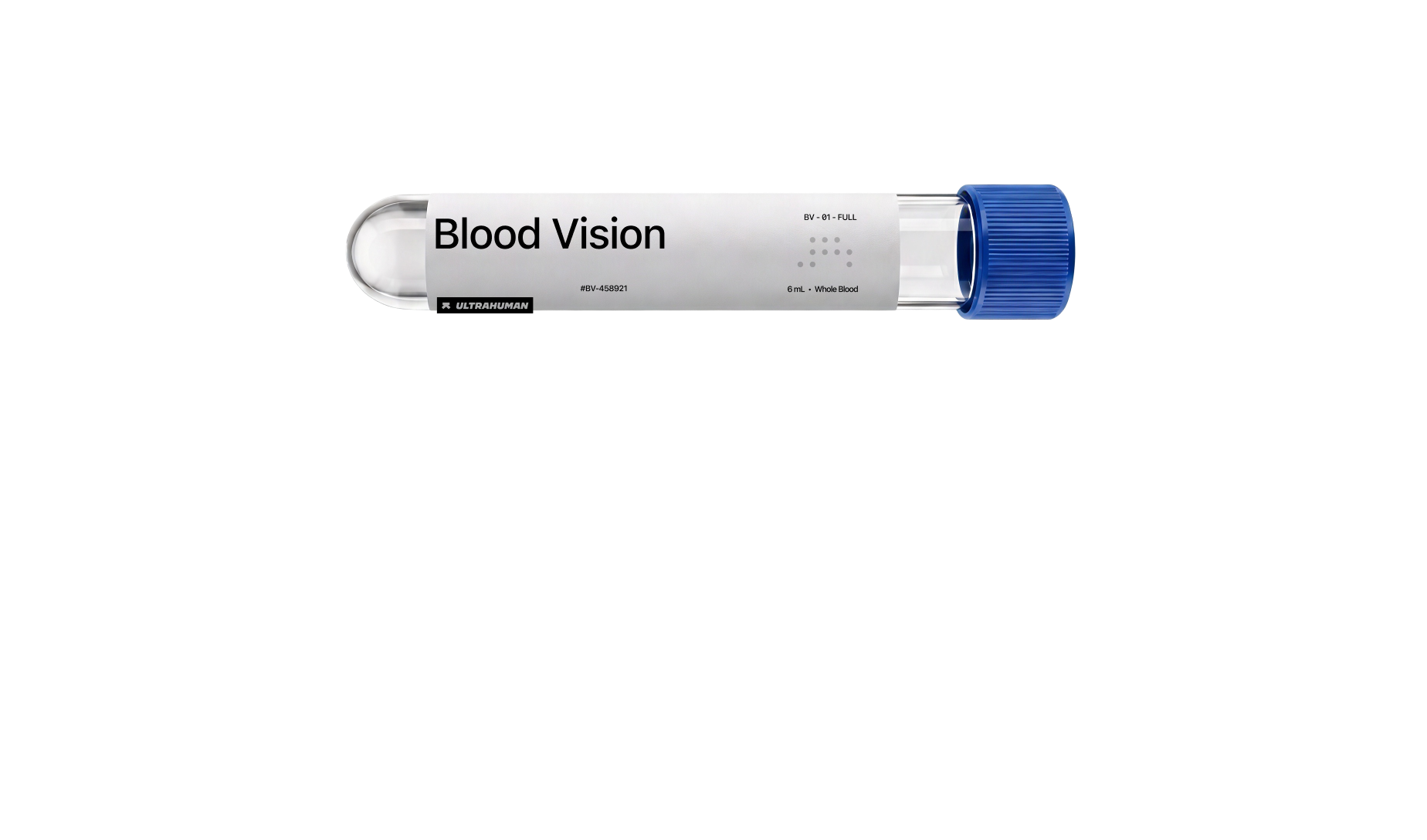
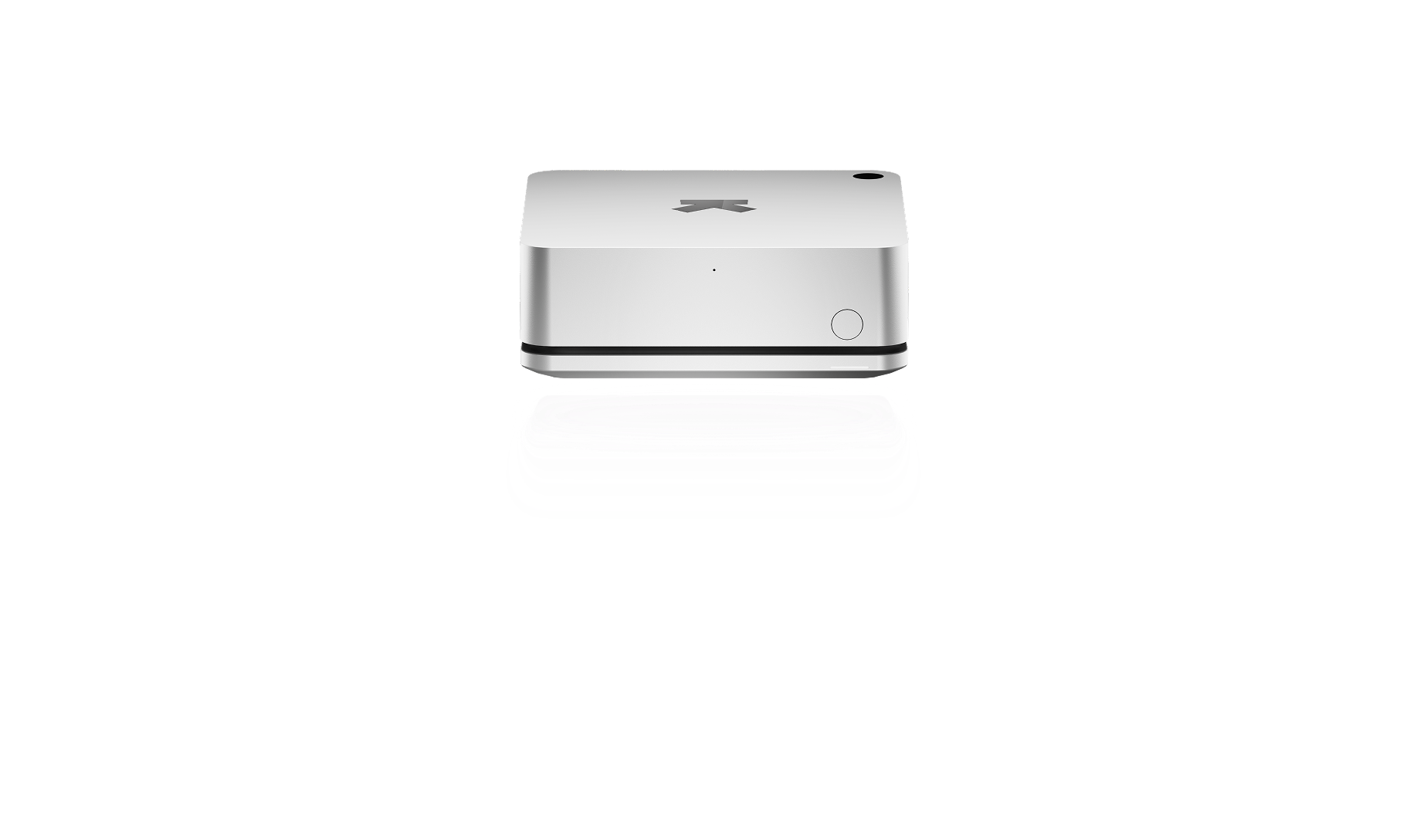
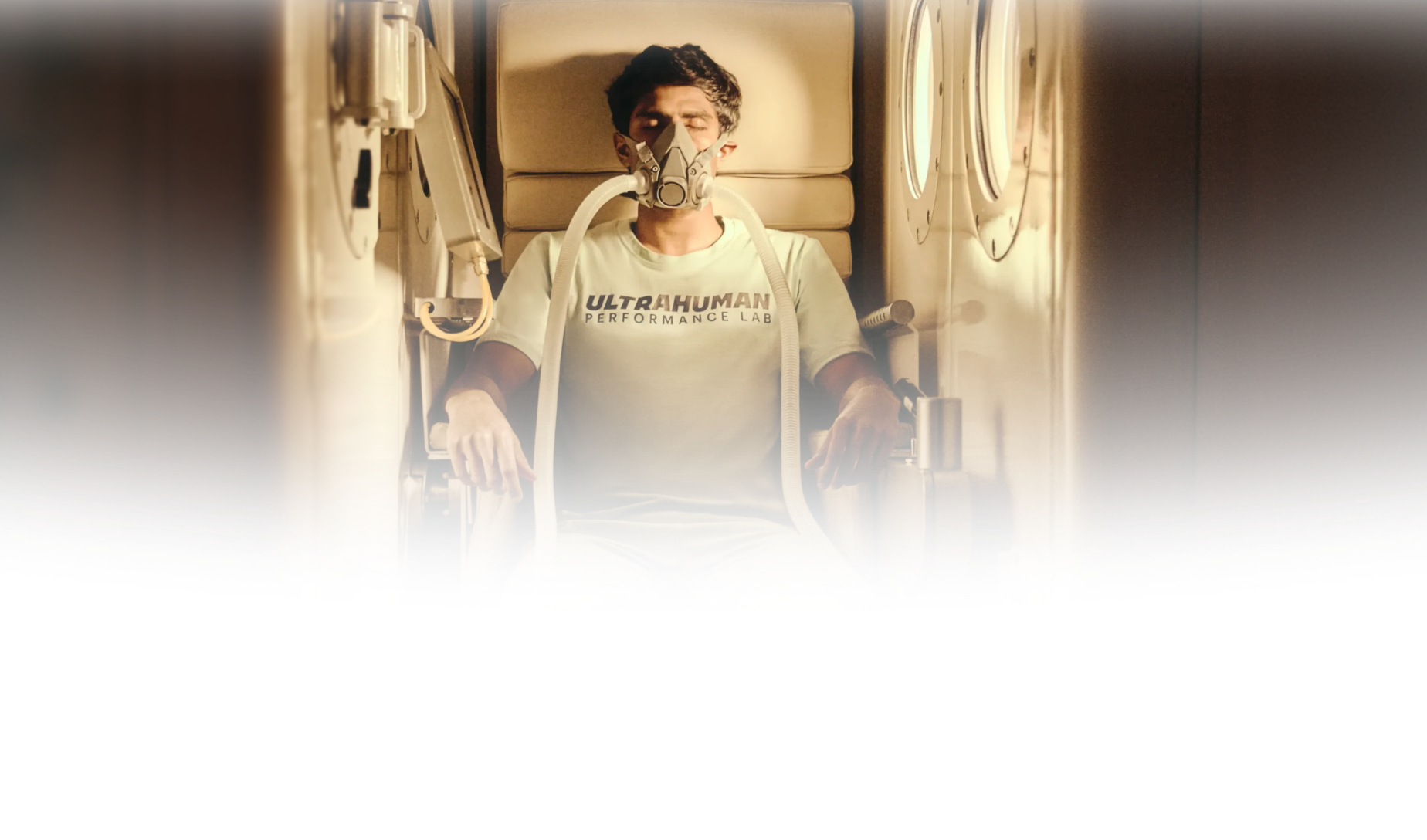
Performance Lab
Train, test and recover at our Bengaluru facility.
Science & Research

Paneer (Gowardhan) (1 Serving), Onions (1 Medium (2 1/2 Inches Dia)), Tomatoes (1 Medium Whole (2 3/5 Inches Dia)), Cucumber (100 G), Lettuce (100 G), Gourd White-Flowered (Calabash) (100 G) and Buttermilk (Lowfat, Cultured) (1 Cup)
 Lunch
Lunch
120 mg/dL
avg. peak value
Usually causes a medium spike
Avg. Food Score on Ultrahuman App
57%
Ultrahuman Users got an UNSTABLE response
How to consume buttermilk (lowfat, cultured), cucumber, gourd white flowered (calabash), lettuce, onions, paneer, tomatoes without glucose spikes
Portion Control
Reduce the portion size of higher carbohydrate components in your meal, such as paneer, to help manage glucose levels.
Balance with Protein
Include a lean protein source like grilled chicken or fish, as proteins can help slow down the absorption of carbohydrates and steady blood sugar levels.
Incorporate Healthy Fats
Add healthy fats such as avocado or a small handful of nuts, which can also slow digestion and help stabilize glucose levels.
Add Fiber-Rich Foods
Enhance your meal with fiber-rich foods like lentils or chickpeas. These can help slow carbohydrate absorption and improve overall digestion.
Pre-Meal Planning
Consider starting your meal with a salad made of lettuce, cucumbers, and tomatoes, limiting higher carbohydrate and dairy components initially.
Hydration
Drink water before and during your meal to help control hunger and support digestion.
Mindful Eating
Eat slowly and savor your food, as this can help control portion sizes and improve digestion, potentially reducing glucose spikes.
Limit Added Sugars
Avoid adding any additional sugars to your meal, and be cautious of dressings or sauces that may contain hidden sugars.
Physical Activity
Incorporate light physical activity, such as a brisk walk, after eating to help reduce blood sugar levels post-meal.
Monitor Response
Keep track of your body's response to these foods and adjust your meal components as necessary based on your personal glucose monitoring.

Discover
metabolic
health with M1
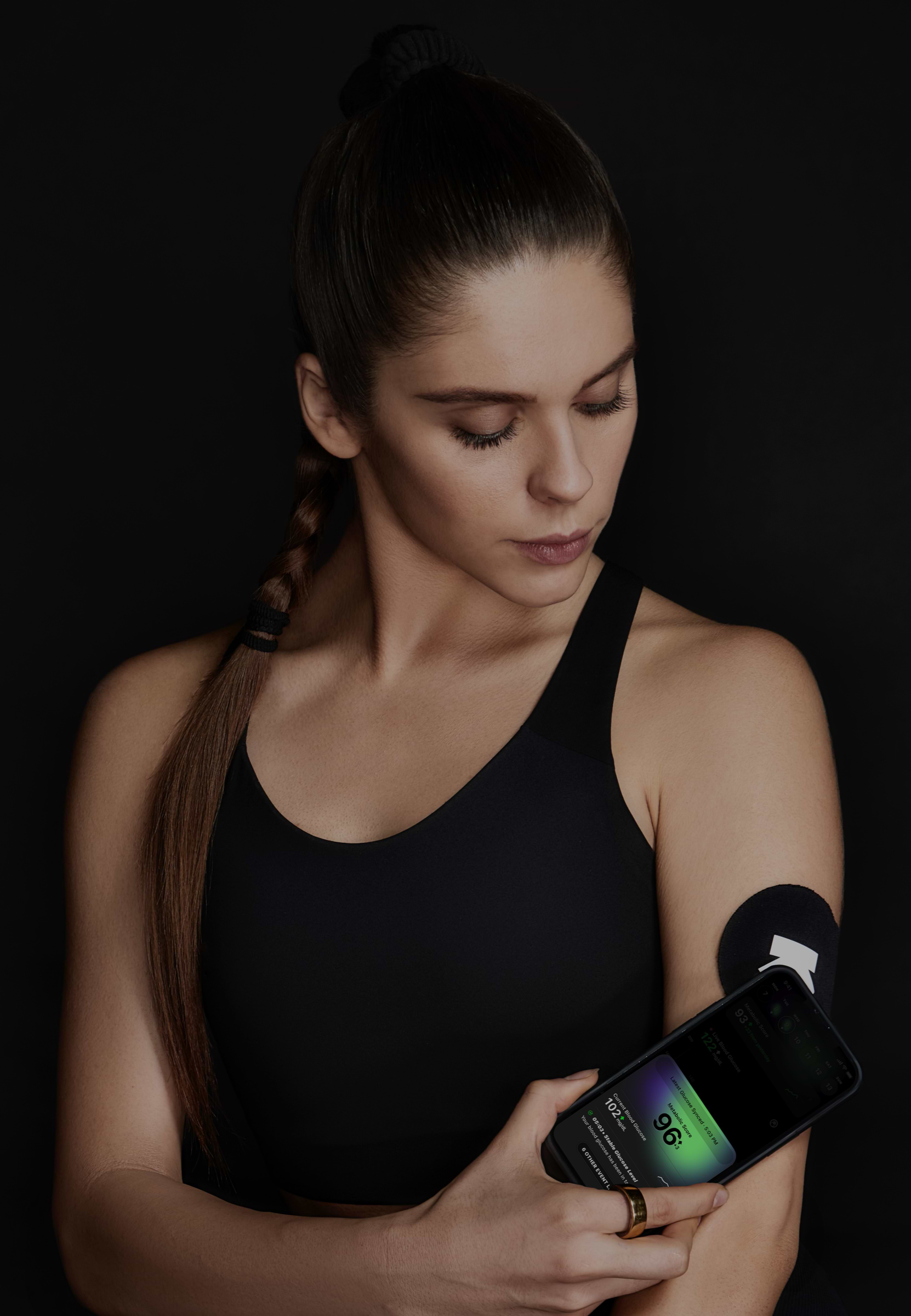
Ultrahuman M1 helps you measure the impact of food and activity on your body in real time through glucose as a biomarker.
Explore Ultrahuman M1Find Glucose response for your favourite foods
Explore OGDbYour cart is empty
Looks like you haven't added anything yet. Explore our products to get started.