


Buttermilk (Lowfat, Cultured) (1 Cup)
 Afternoon Snack
111 mg/dL
avg. peak value
Usually has a stable response
Avg. Food Score on Ultrahuman App
Ultrahuman Users got a STABLE response
How to consume Buttermilk (Lowfat, Cultured) without glucose spikes
Pair with Fiber-Rich Foods
Include foods like chia seeds, flaxseeds, or oatmeal to add fiber, which can slow down glucose absorption.
Add Protein Sources
Incorporate proteins such as Greek yogurt, cottage cheese, or a handful of almonds with your buttermilk to help stabilize blood sugar levels.
Incorporate Healthy Fats
Add a small amount of avocado or a drizzle of olive oil to your meal to help manage glucose spikes by slowing digestion.
Consume Vinegar or Lemon Juice
Consider adding a splash of apple cider vinegar or lemon juice to your buttermilk, as their acidic nature can help moderate blood sugar fluctuations.
Eat with Non-Starchy Vegetables
Combine buttermilk with vegetables like spinach, kale, or cucumbers, which have a minimal impact on blood sugar levels.
Practice Portion Control
Monitor the quantity of buttermilk you consume to prevent excessive intake, which can lead to glucose spikes.
Precede with a Small, Low-Carb Snack
Before drinking buttermilk, have a small serving of nuts or a slice of cheese to prepare your body to handle the carbohydrates more efficiently.
Stay Hydrated
Drink plenty of water throughout the day to aid in digestion and help maintain stable blood sugar levels.
Physical Activity
Engage in light physical activity such as a short walk after consuming buttermilk to help your body process glucose more effectively.
Monitor Meal Timing
Consume buttermilk as part of a balanced meal rather than on an empty stomach to reduce its glycemic impact.
Discover
metabolic
health with M1
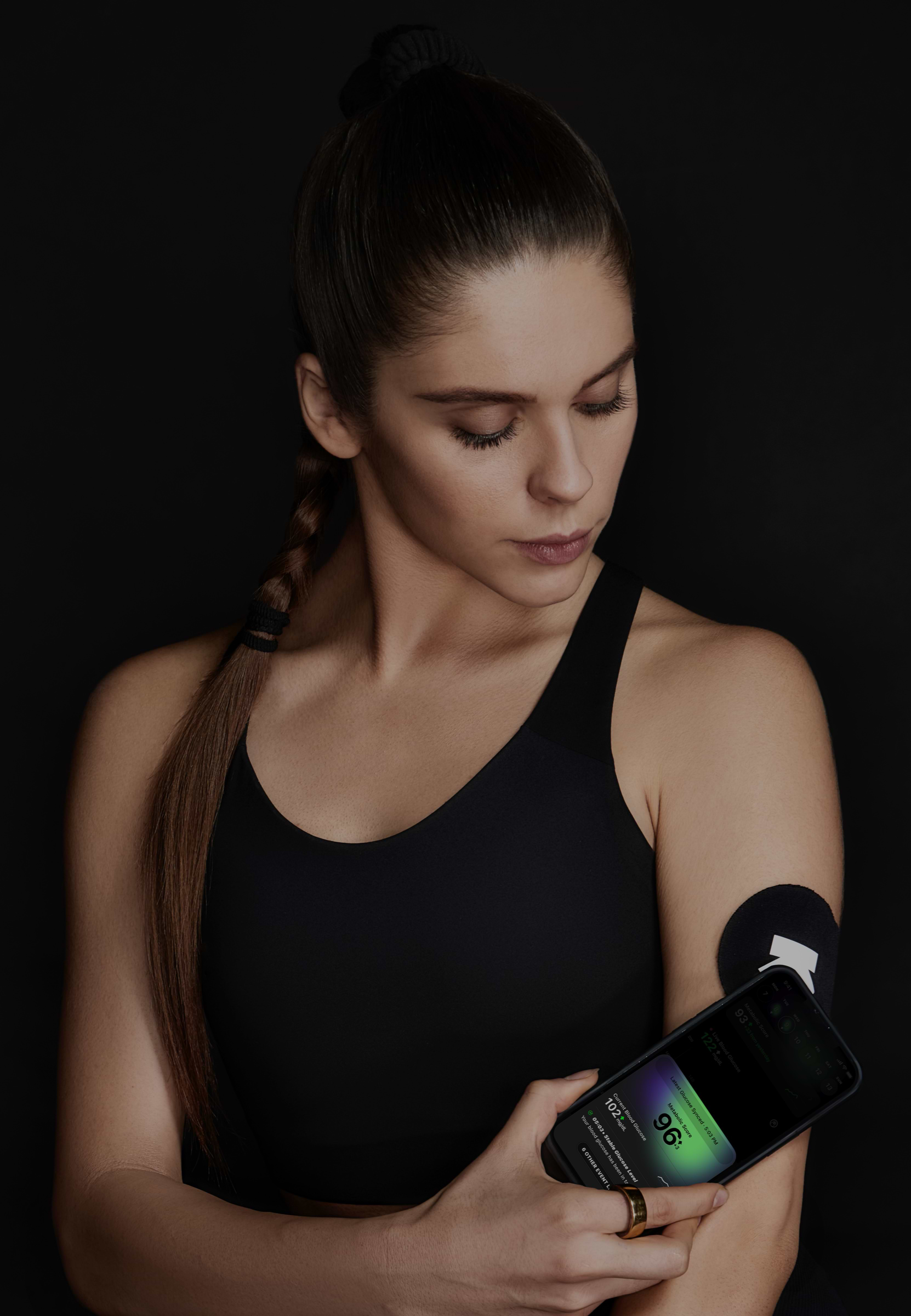
Ultrahuman M1 helps you measure the impact of food and activity on your body in real time through glucose as a biomarker.
Explore Ultrahuman M1Find Glucose response for your favourite foods
Explore OGDbYour cart is empty
Browse through our products and find something for you.