


Chicken Curry (0.5 Chicken Breast With Sauce) and Chapati (1 Piece)
 Dinner
146 mg/dL
avg. peak value
Usually causes a medium spike
Avg. Food Score on Ultrahuman App
Ultrahuman Users got an UNSTABLE response
How to consume Chicken Curry, Chapati without glucose spikes
Portion Control
Reduce the portion size of both the chicken curry and chapati. Eating smaller amounts can help prevent significant glucose spikes.
Increase Fiber Intake
Add a side of vegetables such as spinach, broccoli, or cauliflower to your meal. These vegetables are high in fiber and can help slow down the absorption of carbohydrates.
Whole Grain Chapati
Use whole grain or multigrain flour for your chapati instead of refined flour. Whole grains have a higher fiber content, which can lessen glucose spikes.
Add Healthy Fats
Include healthy fats such as avocado or nuts (like almonds or walnuts) in your meal. Fats can slow the digestion process and moderate blood sugar levels.
Lean Protein
Ensure the chicken used in the curry is lean and skinless. This can help minimize unhealthy fat intake while providing protein that can help stabilize blood sugar.
Limit Added Sugars
If your curry contains added sugars, try to reduce or eliminate them. Consider using natural sweeteners like a small amount of stevia or no sweetener at all.
Hydration
Drink plenty of water with your meal. Staying hydrated can support metabolic processes and help manage blood sugar levels.
Vinegar
Consider adding a small amount of vinegar, such as apple cider vinegar, to your meal or having a diluted vinegar drink before eating. Vinegar may help improve insulin sensitivity.
Exercise
Engage in light physical activity, like a short walk, after your meal. Exercise can help lower blood sugar levels more quickly.
Monitor Cooking Methods
Avoid deep-frying or excessive use of oil in your curry. Opt for grilling, steaming, or using minimal oil in cooking to reduce additional calories.
Discover
metabolic
health with M1
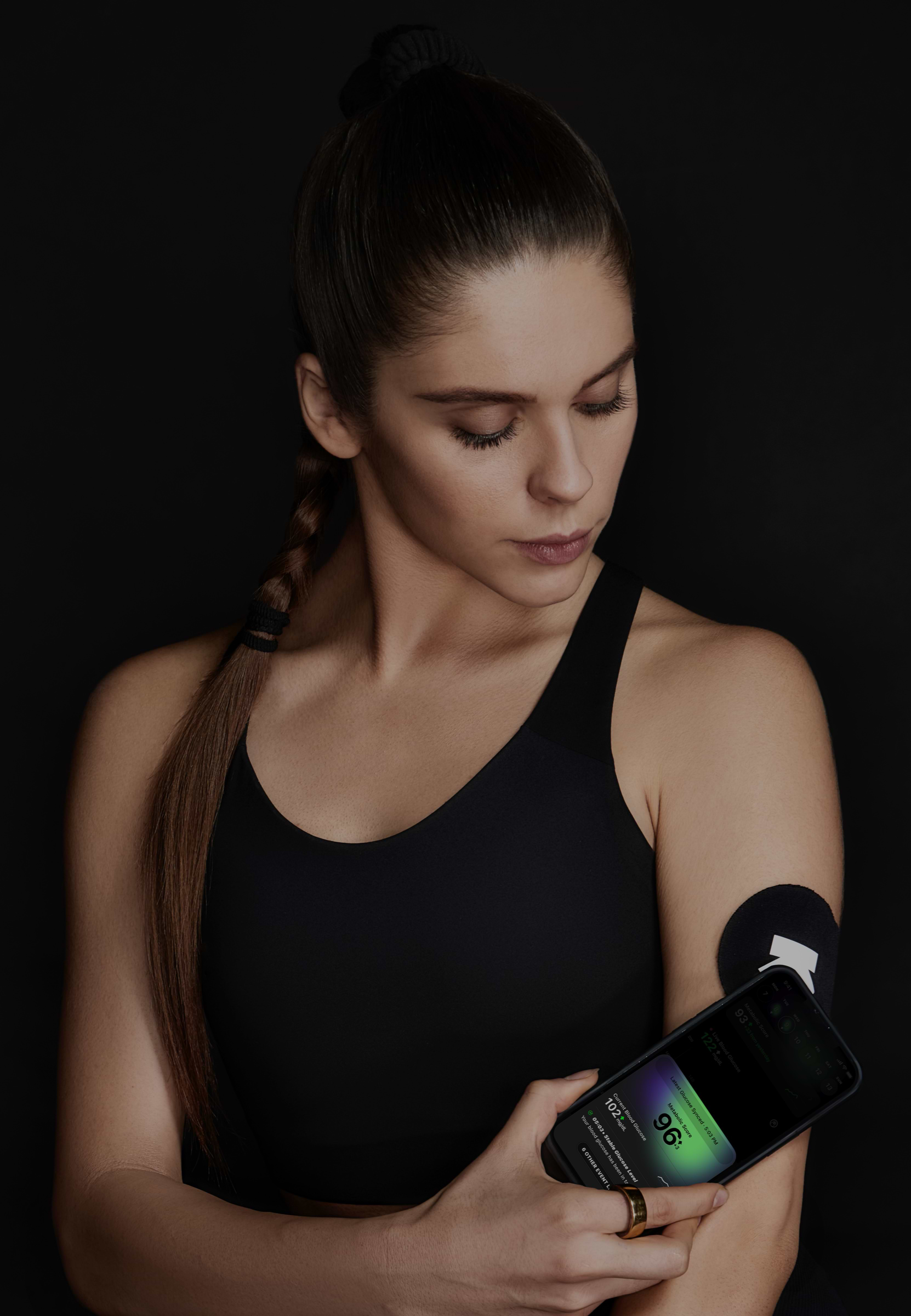
Ultrahuman M1 helps you measure the impact of food and activity on your body in real time through glucose as a biomarker.
Explore Ultrahuman M1Find Glucose response for your favourite foods
Explore OGDbYour cart is empty
Browse through our products and find something for you.