

Dutch Acai Bowl (1 Bowl) and Coffee (1 Mug (8 Fl Oz))
 Breakfast
115 mg/dL
avg. peak value
Usually causes a medium spike
Avg. Food Score on Ultrahuman App
Ultrahuman Users got an UNSTABLE response
How to consume coffee, dutch acai bowl without glucose spikes
Add Protein
Include a source of protein, such as a scoop of protein powder or some Greek yogurt, to your acai bowl to help slow down the absorption of sugars.
Incorporate Healthy Fats
Top your bowl with healthy fats like chia seeds or a small handful of nuts (e.g., almonds or walnuts) to add more balance and help reduce glucose spikes.
Watch Portion Sizes
Keep an eye on the portion size of the acai bowl to avoid consuming too many carbohydrates at once.
Choose Low-Sugar Toppings
Opt for low-sugar fruits like berries (e.g., strawberries, blueberries) as toppings instead of higher-sugar options like bananas.
Add Fiber
Mix in some high-fiber ingredients such as flaxseeds or oatmeal, which can help moderate the absorption of sugars.
Drink Water
Stay hydrated by drinking water alongside your meal instead of sugary beverages, which can contribute to glucose spikes.
Eat Whole Foods First
Start your meal with low-carbohydrate, whole foods like a small salad or some raw vegetables to help stabilize blood sugar levels.
Limit Added Sweeteners
Avoid adding extra sweeteners such as honey or agave syrup to your acai bowl, as they can increase sugar content.
Eat Slowly
Take your time to eat, allowing your body to process the food more effectively and preventing rapid glucose spikes.
Monitor Your Coffee Intake
Be aware of the sugar content in your coffee and opt for unsweetened or low-sugar options to prevent a combined spike from the coffee and acai bowl.
Discover
metabolic
health with M1
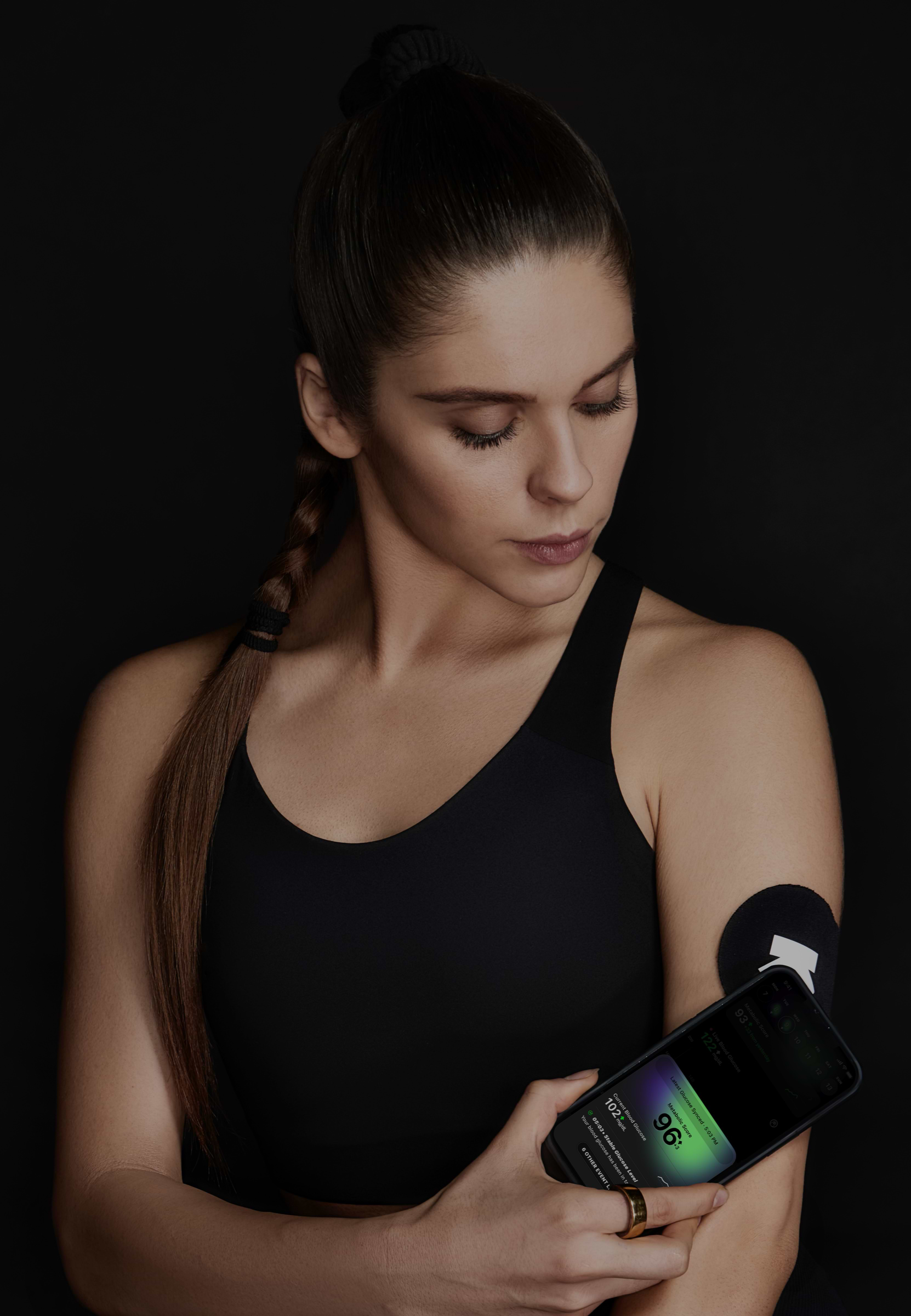
Ultrahuman M1 helps you measure the impact of food and activity on your body in real time through glucose as a biomarker.
Explore Ultrahuman M1Find Glucose response for your favourite foods
Explore OGDbYour cart is empty
Looks like you haven't added anything yet. Explore our products to get started.