

Decaffeinated Cappuccino (1 Mug (8 Fl Oz))
 Lunch
Lunch
107 mg/dL
avg. peak value
Usually has a stable response
Avg. Food Score on Ultrahuman App
Ultrahuman Users got a STABLE response
Other related foods
- coffee instant powder decaffeinated with water
- coffee and cocoa mocha powder decaffeinated with whitener and low calorie sweetener
- decaffeinated latte coffee
- coffee espresso brewed decaffeinated
- decaffeinated cappuccino
- decaffeinated coffee made from ground
- coffee instant powder decaffeinated
- coffee brewed from grounds decaffeinated
- tea brewed decaffeinated
- decaffeinated coffee
How to consume Decaffeinated Cappuccino without glucose spikes
Choose Low-Sugar Milk Alternatives
Opt for unsweetened almond milk or coconut milk instead of regular milk to lower the sugar content in your cappuccino.
Incorporate Fiber-Rich Snacks
Pair your cappuccino with a small portion of almonds or walnuts. These nuts are high in fiber and healthy fats, which can help moderate blood sugar levels.
Add Cinnamon
Sprinkle a little cinnamon into your cappuccino. Cinnamon is known to improve insulin sensitivity and can help manage blood glucose levels.
Limit Sweeteners
Avoid adding sugar or flavored syrups to your cappuccino. If you need a sweetener, consider a natural option like stevia or monk fruit extract.
Have a Balanced Meal Beforehand
Consuming a meal with protein, healthy fats, and complex carbohydrates, such as a chicken salad with olive oil dressing, before your cappuccino can slow down sugar absorption.
Choose Whole Grains
If you're having a snack with your cappuccino, choose options like whole grain crackers or a small serving of quinoa salad.
Control Portion Size
Limit the size of your cappuccino to avoid excessive intake of carbohydrates and calories.
Stay Hydrated
Drink water before and after having your cappuccino to help the body process sugars more efficiently.
Monitor Your Caffeine Intake
Although decaffeinated, even small amounts of caffeine can affect some people's glucose levels, so consider this factor in your consumption.
Stay Active
Incorporate light physical activity like a brisk walk after consuming your cappuccino to help your body manage blood sugar levels more effectively.
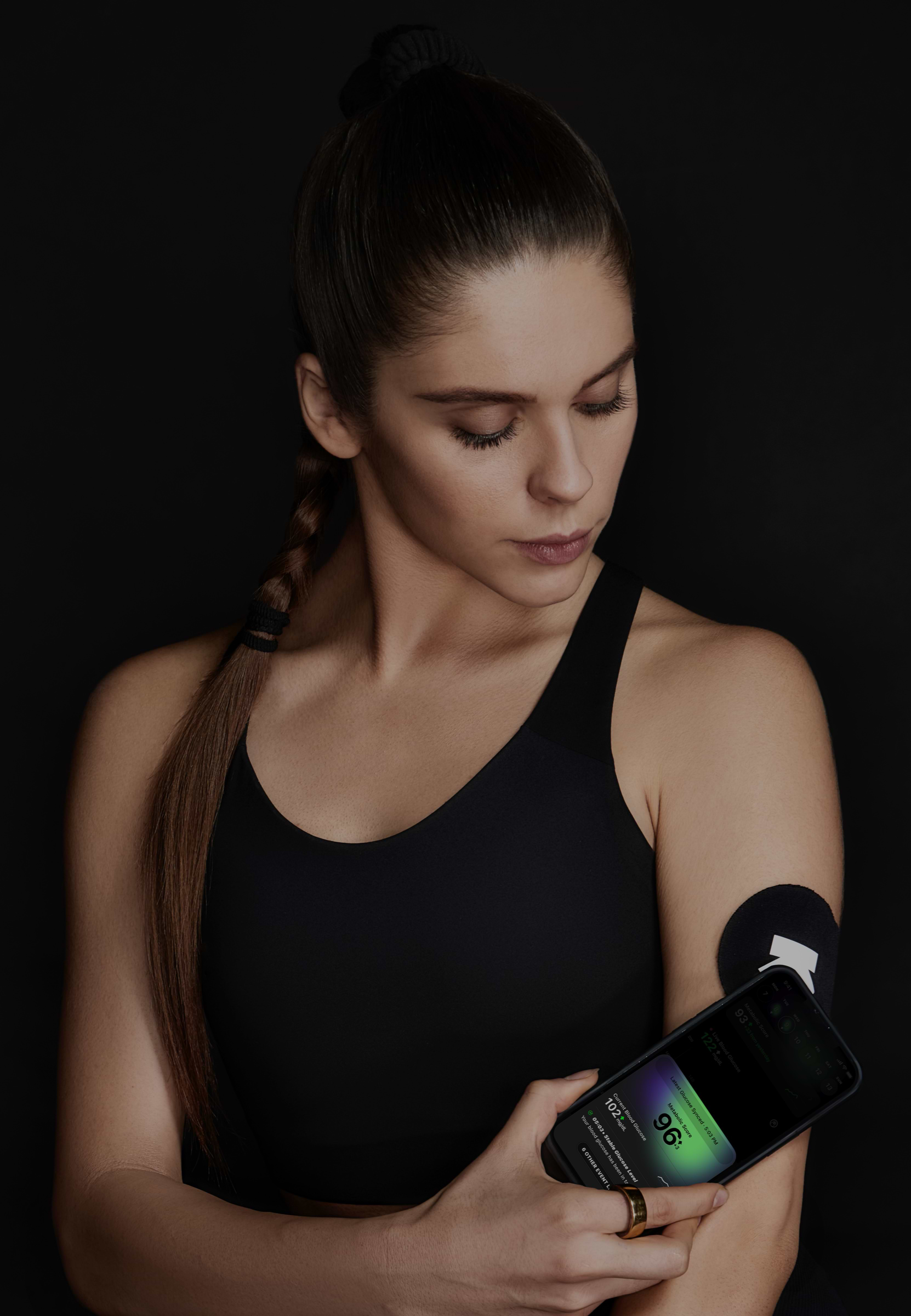
Discover
metabolic
health with M1
Ultrahuman M1 helps you measure the impact of food and activity on your body in real time through glucose as a biomarker.
Explore Ultrahuman M1Find Glucose response for your favourite foods
Explore OGDbYour cart is empty
Browse through our products and find something for you.