
Egg Omelet or Scrambled Egg (1 Large Egg)
Breakfast
114 mg/dL
avg. peak value
Usually causes a small spike
Avg. Food Score on Ultrahuman App
Ultrahuman Users got a STABLE response
How to consume egg omelet or scrambled egg without glucose spikes

Incorporate Vegetables
Add non-starchy vegetables like spinach, bell peppers, or tomatoes to your omelet. These can help slow down digestion and reduce the glucose spike.
Include Healthy Fats
Cook your eggs with a small amount of healthy fat, such as olive oil or avocado. Healthy fats can help stabilize blood sugar levels.
Add Protein
Pair your eggs with an additional source of lean protein, such as a small portion of chicken breast or turkey slices, to keep blood sugar levels steady.
Choose Whole Grains
If you're having toast on the side, opt for a small slice of whole-grain or seeded bread, as these digest more slowly.
Incorporate Fiber
Include a small serving of high-fiber foods like lentils or beans in your meal to help moderate blood sugar levels.
Opt for a Side of Berries
Have a small portion of berries, like blueberries or strawberries, on the side. These fruits are lower in sugars and provide additional fiber.
Stay Hydrated
Drink a glass of water before your meal. Staying hydrated can aid in digestion and help manage blood sugar levels.
Practice Portion Control
Be mindful of your egg portion size. Consuming a moderate amount can help manage the impact on blood sugar.
Eat Slowly and Mindfully
Taking your time to eat and savor your food can aid digestion and help prevent a spike in glucose levels.
Monitor and Adjust
Keep track of how your body responds to meals and adjust your ingredients or portions accordingly.

Discover
metabolic
health with M1
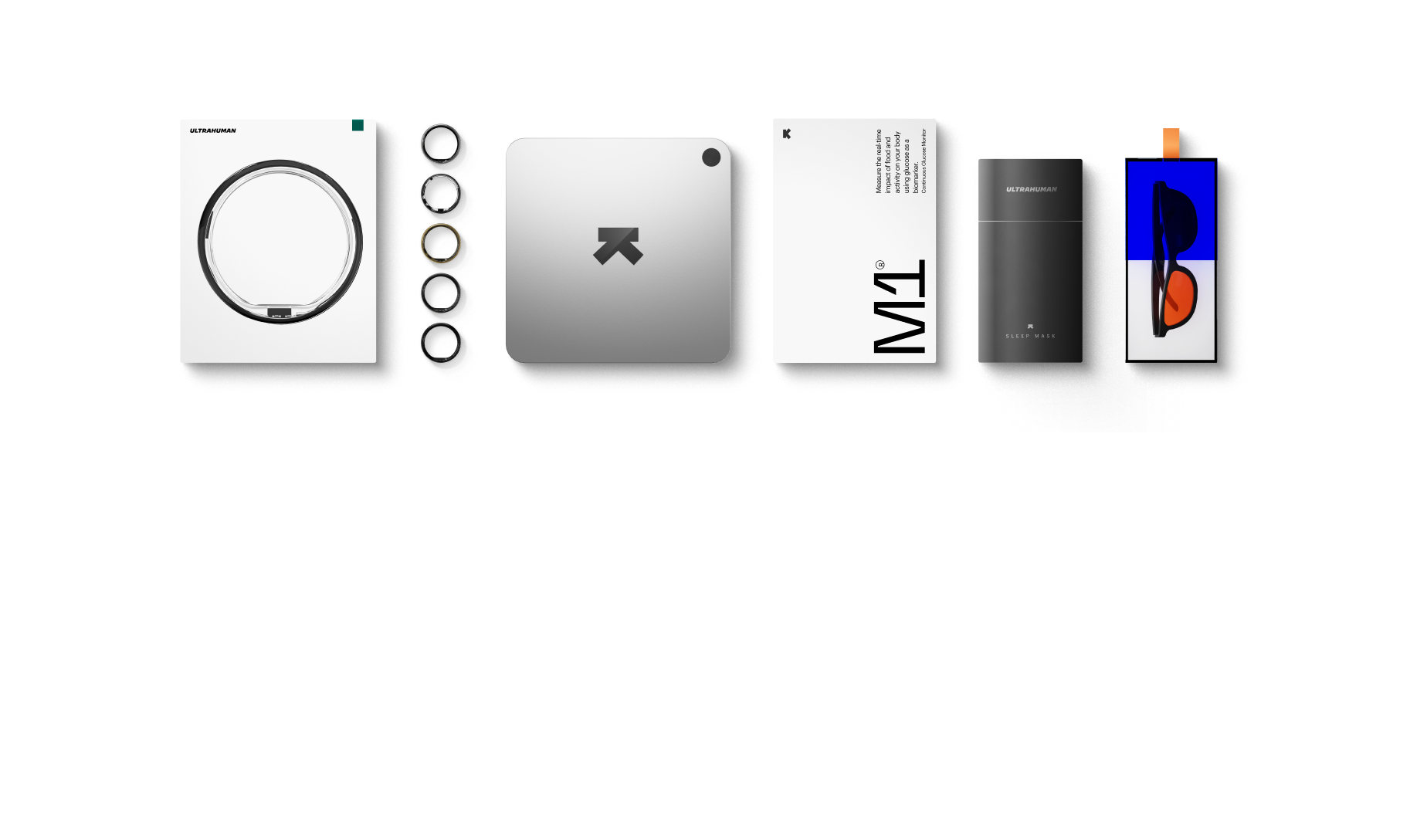
Ultrahuman M1 helps you measure the impact of food and activity on your body in real time through glucose as a biomarker.
Explore Ultrahuman M1Find Glucose response for your favourite foods
Explore OGDbYour cart is empty
Looks like you haven't added anything yet. Explore our products to get started.