

English Kadhi Pakora (1 Cup)
 Lunch
Lunch
167 mg/dL
avg. peak value
Usually causes a medium spike
Avg. Food Score on Ultrahuman App
Ultrahuman Users got an UNSTABLE response
How to consume english kadhi pakora without glucose spikes
Portion Control
Start by reducing the portion size of kadhi pakora you consume. Smaller portions can help moderate blood glucose responses.
Add Fiber
Incorporate a side of non-starchy vegetables such as broccoli, spinach, or a mixed salad. These options can slow down the absorption of carbohydrates.
Protein Pairing
Pair your meal with a protein source like grilled chicken, tofu, or chickpeas. Protein can help balance blood sugar levels.
Healthy Fats
Include healthy fats such as avocado, nuts, or seeds in your meal. These fats can help slow digestion and the release of glucose into the bloodstream.
Stay Hydrated
Drinking plenty of water before and during your meal can help aid digestion and manage glucose levels.
Physical Activity
Engage in light physical activity such as a short walk after eating. Physical activity encourages muscle cells to use glucose, helping to lower blood sugar levels.
Meal Timing
Try to eat kadhi pakora as part of a balanced meal rather than on its own. Eating it with other low-carb foods can help reduce the spike.
Mindful Eating
Eat slowly and savor your meal. Taking time to eat can prevent overeating and help manage blood sugar levels effectively.
Spice it Up
Add spices like cinnamon or turmeric to your kadhi. Some spices have been shown to help manage blood sugar levels.
Monitor and Adjust
Keep track of your blood glucose levels before and after the meal to understand how different strategies work for you, and adjust accordingly.
Discover
metabolic
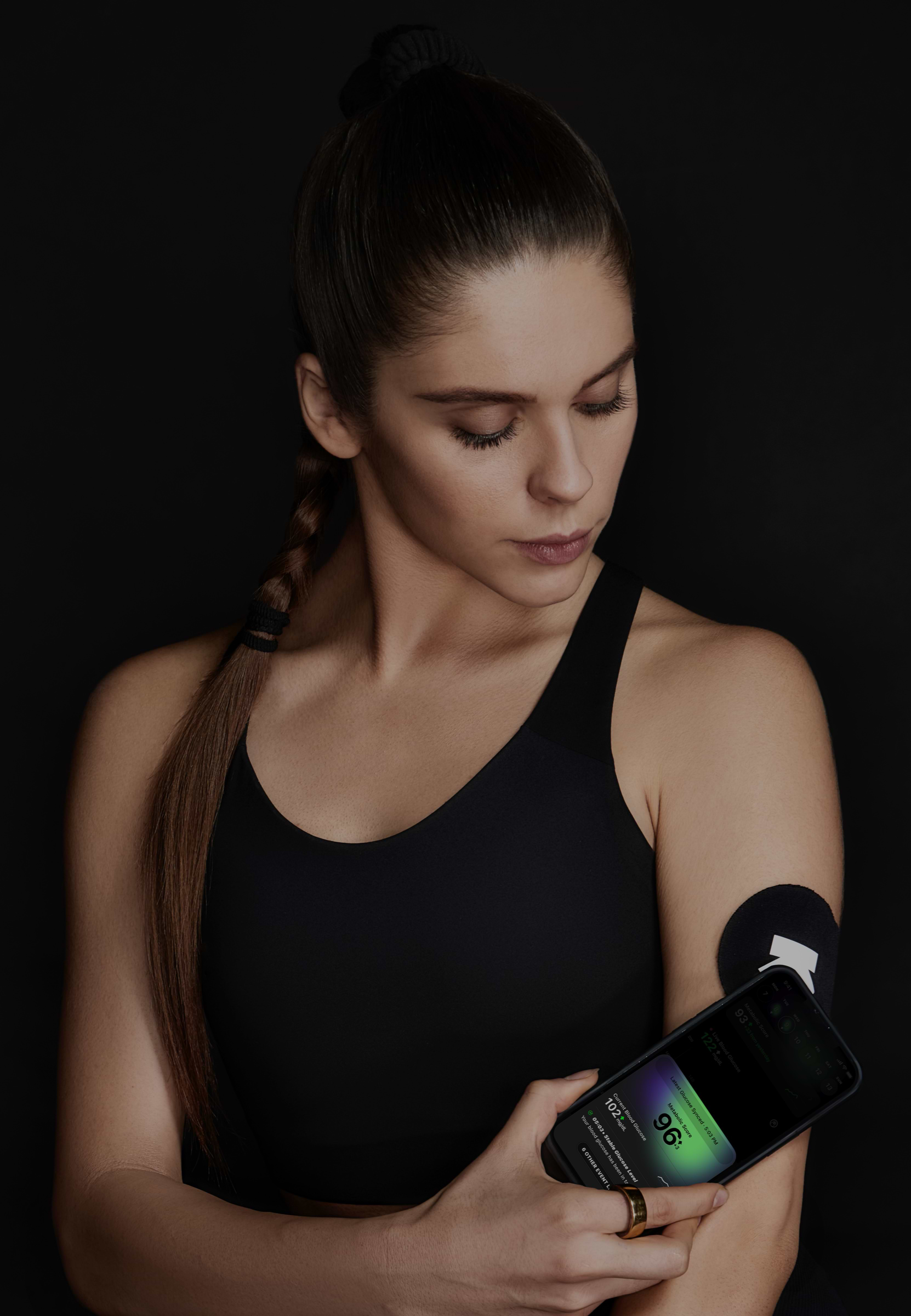
health with M1
Ultrahuman M1 helps you measure the impact of food and activity on your body in real time through glucose as a biomarker.
Explore Ultrahuman M1Find Glucose response for your favourite foods
Explore OGDbYour cart is empty
Looks like you haven't added anything yet. Explore our products to get started.