


Fresh Pasta (Cooked) (100 G)
 Lunch
Lunch
135 mg/dL
avg. peak value
Usually causes a medium spike
Avg. Food Score on Ultrahuman App
Ultrahuman Users got an UNSTABLE response
How to consume Fresh Pasta (Cooked) without glucose spikes
Portion Control
Reduce the serving size of fresh pasta to manage the carbohydrate intake more effectively.
Pair with Protein
Add a source of protein, such as grilled chicken or tofu, to your pasta dish. Protein can slow down the absorption of carbohydrates.
Add Healthy Fats
Incorporate healthy fats like olive oil, avocado, or nuts into your meal. These can help slow the digestion process.
Include Fiber-Rich Vegetables
Add non-starchy vegetables such as spinach, broccoli, or bell peppers. These can increase the fiber content of your meal and lead to a more gradual increase in blood sugar levels.
Cook Pasta Al Dente
Cooking pasta until it is just firm (al dente) may result in a slower release of carbohydrates into the bloodstream.
Opt for Whole Grain Pasta
If possible, choose whole grain or whole wheat pasta as these options typically have more fiber than traditional pasta.
Stay Hydrated
Drink water before your meal to help with digestion and prevent overeating.
Monitor Meal Timing
Try consuming your pasta meal as part of a balanced meal earlier in the day when your body may be more efficient at processing carbohydrates.
Acidic Additions
Include a small amount of vinegar or lemon juice in your pasta sauce. The acidity can help moderate blood sugar levels.
Mindful Eating
Eat slowly and pay attention to your hunger and fullness cues to avoid overconsumption.
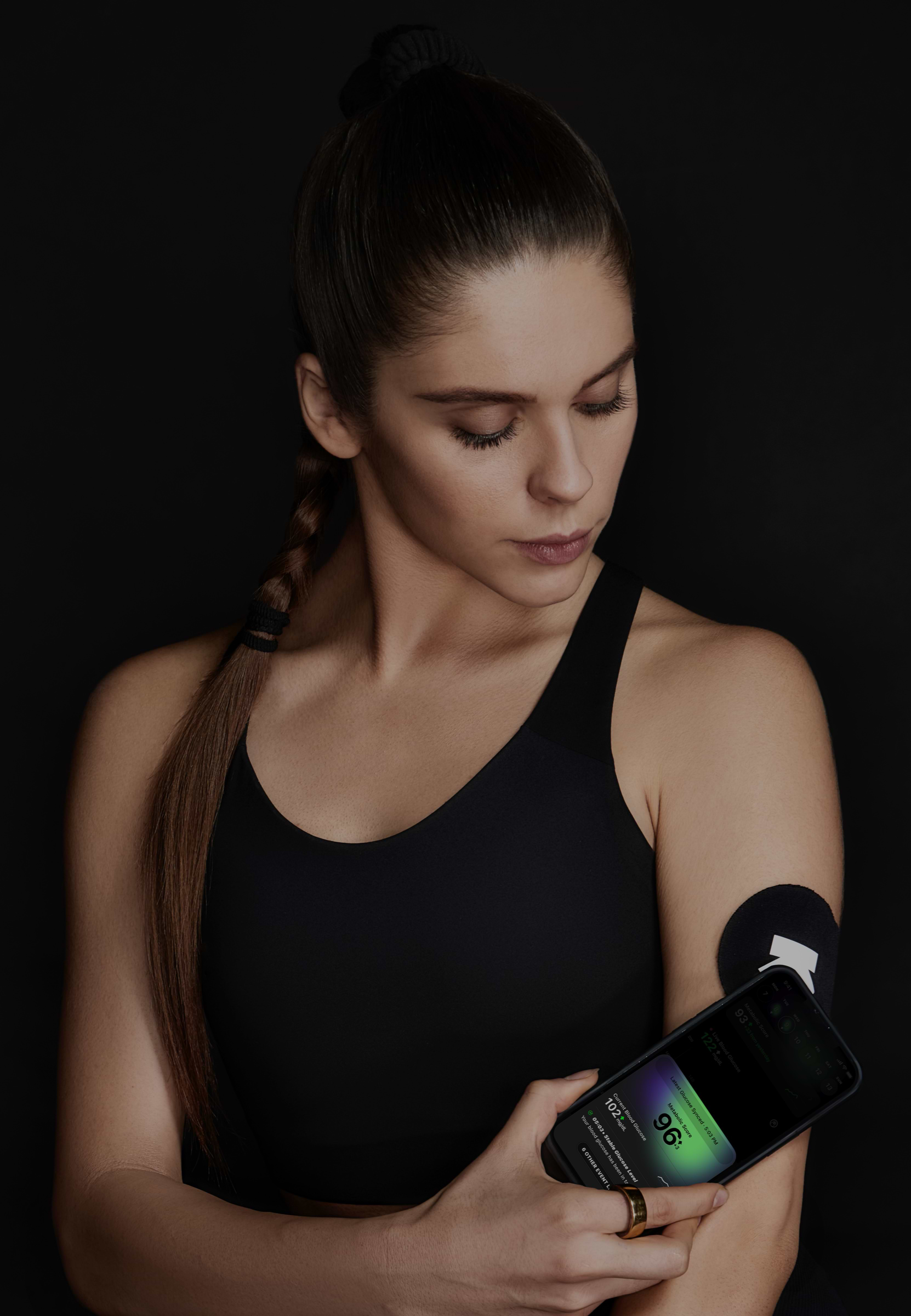
Discover
metabolic
health with M1
Ultrahuman M1 helps you measure the impact of food and activity on your body in real time through glucose as a biomarker.
Explore Ultrahuman M1Find Glucose response for your favourite foods
Explore OGDbYour cart is empty
Browse through our products and find something for you.