

Kheer (1 piece)
 Dinner
148 mg/dL
avg. peak value
Usually causes a small spike
Avg. Food Score on Ultrahuman App
Ultrahuman Users got a STABLE response
How to consume Kheer without glucose spikes
Portion Control
Limit the serving size of kheer to help manage the glucose spike. Smaller portions can lead to a more gradual rise in blood sugar.
Choose Brown Rice or Quinoa
If you're making kheer at home, consider using brown rice or quinoa instead of white rice. These alternatives digest more slowly, helping to control blood sugar levels.
Add Nuts and Seeds
Incorporate almonds, walnuts, or chia seeds into your kheer. These additions provide healthy fats and protein, which can slow the absorption of carbohydrates.
Include Cinnamon
Sprinkle some cinnamon into your kheer. Cinnamon is known for its potential to improve insulin sensitivity and help regulate blood sugar levels.
Sweeten with Fresh Fruit
Instead of using sugar, try sweetening your kheer with low-sugar fruits like berries or apples. These fruits have fiber and natural sugars that can be more slowly absorbed.
Use Low-Fat Dairy or Plant-Based Milk
Prepare your kheer with low-fat milk or unsweetened almond or coconut milk, which can be less insulinogenic than full-fat milk.
Incorporate Legumes
Try adding a small amount of cooked lentils or chickpeas to your kheer. These legumes have a low impact on blood sugar and add valuable fiber and protein.
Monitor Cooking Time
Avoid overcooking the rice or quinoa in your kheer. Overcooking can increase the rate at which carbohydrates are broken down into sugars.
Pair with Protein
Enjoy a small serving of kheer with a protein-rich food like a boiled egg or a small handful of nuts to help balance your meal and slow sugar absorption.
Stay Active
Engage in light physical activity, such as a short walk, after consuming kheer. Physical activity can help lower post-meal blood sugar levels.
Discover
metabolic
health with M1
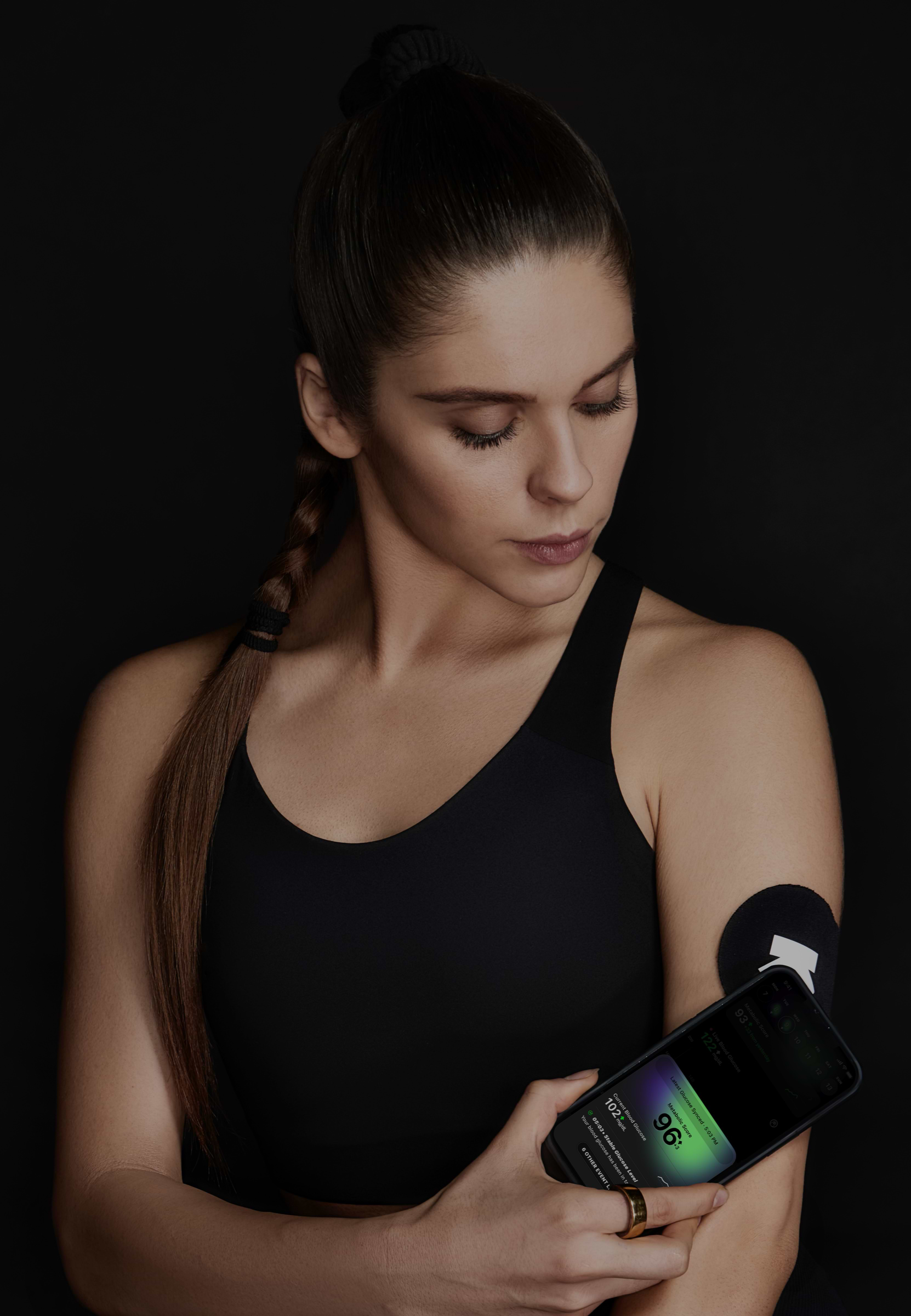
Ultrahuman M1 helps you measure the impact of food and activity on your body in real time through glucose as a biomarker.
Explore Ultrahuman M1Find Glucose response for your favourite foods
Explore OGDbYour cart is empty
Browse through our products and find something for you.