

Oats (Quaker) (1 Serving) and Milk (1 Cup)
 Breakfast
131 mg/dL
avg. peak value
Usually causes a medium spike
Avg. Food Score on Ultrahuman App
Ultrahuman Users got an UNSTABLE response
How to consume Milk, Oats without glucose spikes
Portion Control
Reduce the portion size of milk and oats to help moderate the glucose response. Smaller amounts lead to smaller spikes.
Include Protein
Add a source of protein such as Greek yogurt, eggs, or a small serving of nuts to your meal. Protein can help slow the absorption of carbohydrates.
Add Healthy Fats
Incorporate healthy fats like chia seeds, flaxseeds, or a small amount of nut butter. These can slow down digestion and reduce the impact on blood sugar levels.
Choose Unsweetened Milk Alternatives
Opt for unsweetened almond milk or coconut milk in place of regular milk to lower the carbohydrate content.
Mix in Fiber-Rich Foods
Include fiber-rich berries like strawberries or raspberries with your oats. Fiber can help slow the digestion of carbohydrates.
Cook Oats Al Dente
Prepare oats so they are slightly less cooked to maintain more resistant starch, which helps reduce glucose impact.
Add Cinnamon
Sprinkle cinnamon on your oats. Some studies suggest that cinnamon may help improve blood sugar control.
Hydration
Drink plenty of water before and after meals to aid digestion and help stabilize blood sugar levels.
Pre-Meal Exercise
Engage in light exercise, such as a short walk, before or after meals to help your body manage blood sugar levels more effectively.
Balanced Meal
Ensure your meal includes a balance of carbohydrates, fats, and proteins to create a more sustained energy release and reduce spikes.
Discover
metabolic
health with M1
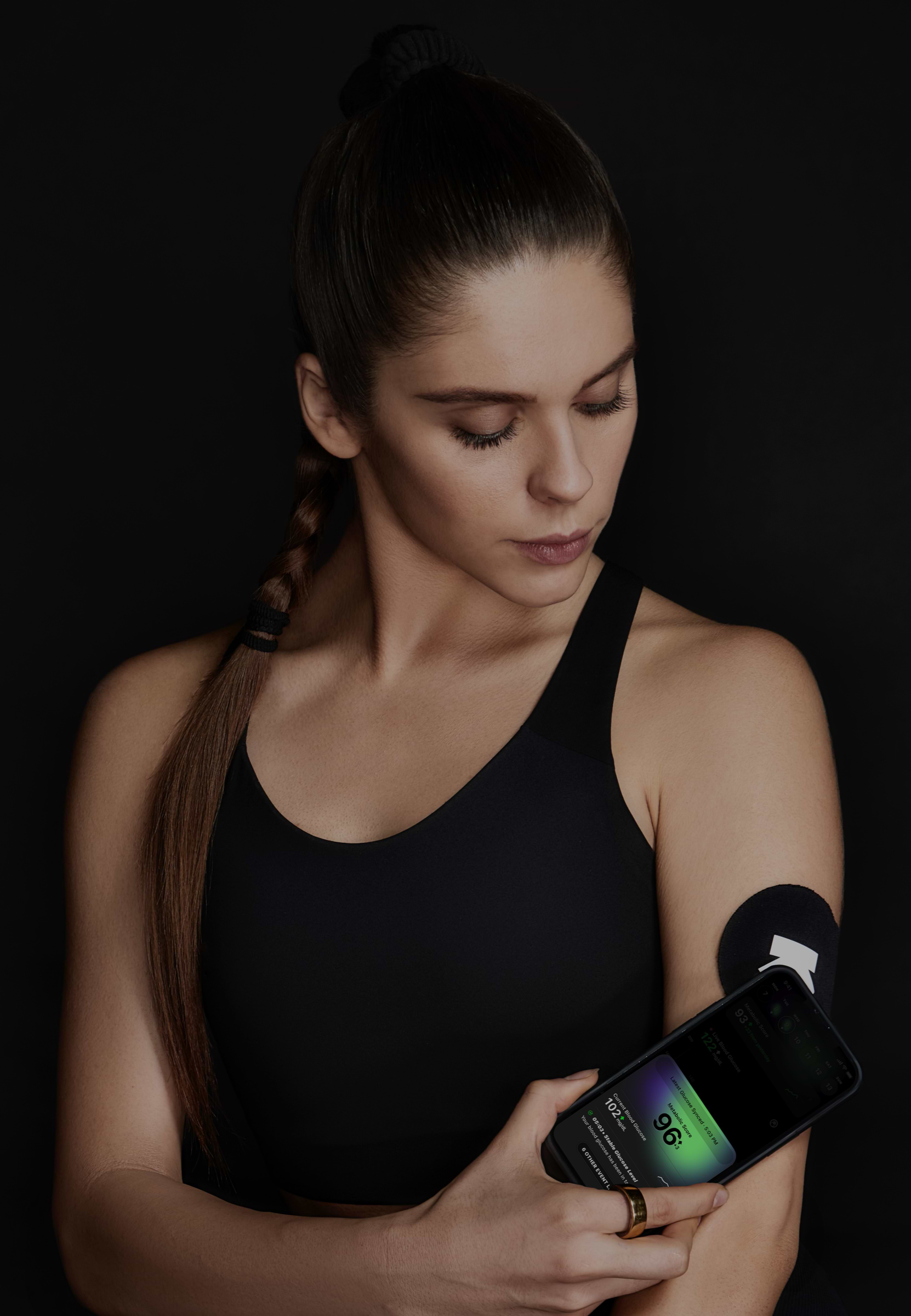
Ultrahuman M1 helps you measure the impact of food and activity on your body in real time through glucose as a biomarker.
Explore Ultrahuman M1Find Glucose response for your favourite foods
Explore OGDbYour cart is empty
Looks like you haven't added anything yet. Explore our products to get started.