
Loading...

Milk (1 Cup)

food-timeDinner

136 mg/dL

avg. peak value

Usually causes a medium spike

6

Avg. Food Score on Ultrahuman App

64%

Ultrahuman Users got a STABLE response

How to consume Milk without glucose spikes

Pair with Fiber-Rich Foods

Consume milk with foods high in fiber such as whole grain bread, oatmeal, or legumes. Fiber can help slow down the absorption of sugar.

Incorporate Healthy Fats

Add foods like nuts, seeds, or avocado to your meal. Healthy fats can help modulate the impact of carbohydrates on blood sugar levels.

Add Protein

Include protein sources like eggs, chicken, or tofu when having milk. Protein can aid in stabilizing blood sugar levels.

Opt for Smaller Servings

Instead of a large glass of milk, try having a smaller portion to reduce the likelihood of a spike.

Choose Unsweetened Milk Alternatives

Consider using unsweetened almond milk, soy milk, or coconut milk as a substitute, as they may have less natural sugar than cow's milk.

Consume with Vinegar

Adding a small amount of vinegar to your meal, such as in a salad dressing, can help manage post-meal blood sugar levels.

Exercise Post-Meal

Engage in light physical activity, like walking, after consuming milk to help your body use up glucose more efficiently.

Monitor Timing

Drink milk as part of a meal rather than on its own to help moderate its impact on your glucose levels.

Opt for Fermented Dairy

Choose yogurt or kefir, which may have a less pronounced impact on blood glucose compared to regular milk.

Stay Hydrated

Ensure you are drinking plenty of water throughout the day, which can aid in maintaining balanced blood sugar levels.

healthspan-mbl

Discover
metabolic
health with M1

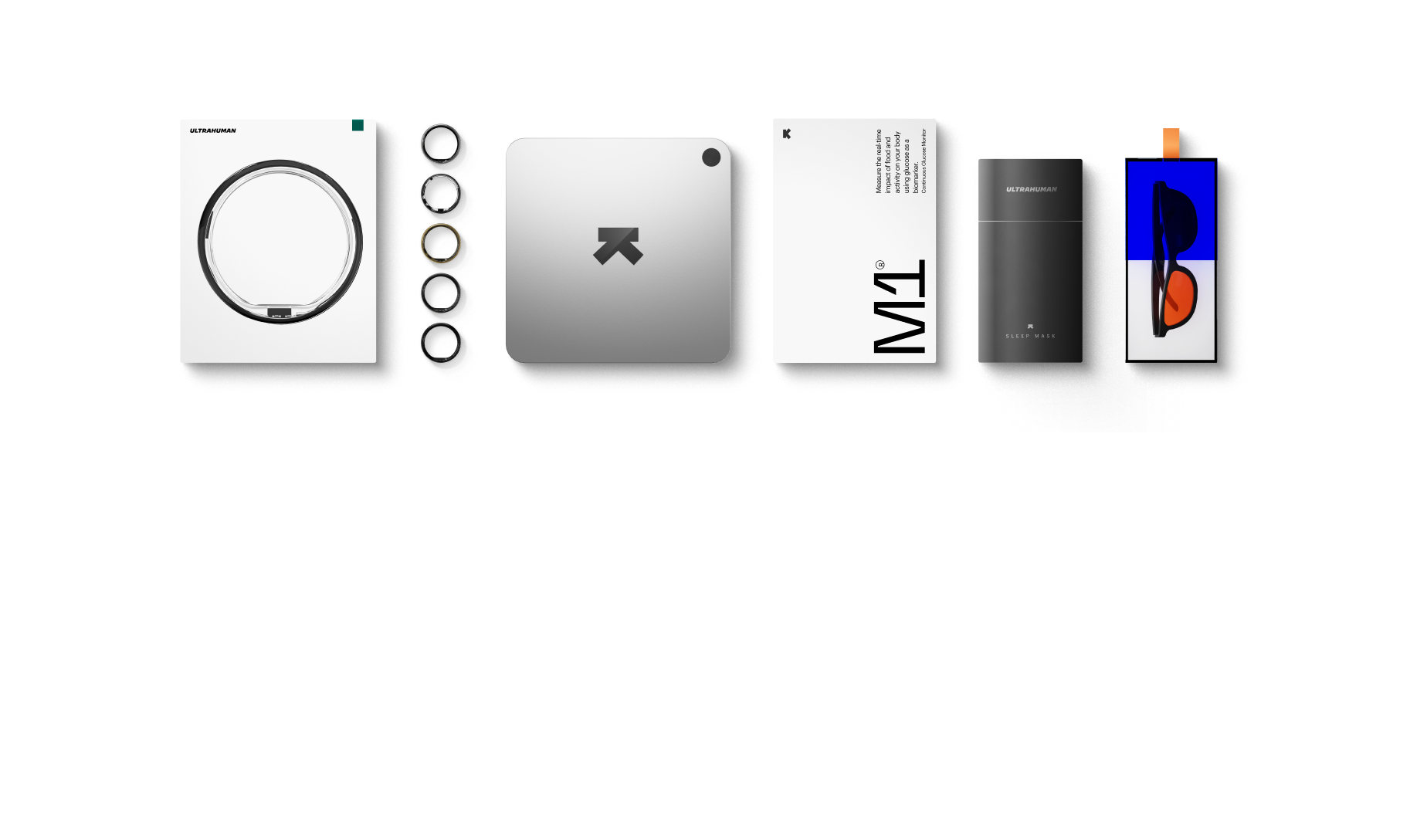
Ultrahuman M1 helps you measure the impact of food and activity on your body in real time through glucose as a biomarker.

Explore Ultrahuman M1

Find Glucose response for your favourite foods

Explore OGDb