

Oats (100 G) and Russian Protein (100 G)
 Breakfast
108 mg/dL
avg. peak value
Usually causes a medium spike
Avg. Food Score on Ultrahuman App
Ultrahuman Users got an UNSTABLE response
How to consume oats, russian protein without glucose spikes
Portion Control
Start by reducing the portion size of oats you consume. A smaller serving can help manage the body's response to carbohydrates.
Add Protein
Mix your oats with a source of protein, such as a scoop of plant-based protein powder or a serving of Greek yogurt. This can help slow down the digestion process.
Incorporate Healthy Fats
Add healthy fats like a handful of nuts, seeds, or a spoonful of nut butter to your oats. These fats can help stabilize your blood sugar levels.
Choose Whole Oats
Opt for steel-cut or old-fashioned oats instead of instant oats, as they are less processed and digest more slowly.
Include Fiber-Rich Foods
Add fiber-rich fruits like berries or a sprinkle of chia or flax seeds to your oats. This additional fiber can help moderate the absorption of carbohydrates.
Opt for Nut Milk
Use unsweetened almond milk or another low-carbohydrate milk alternative when preparing your oats to reduce the overall carbohydrate content.
Pair with Vegetables
Consider having a small serving of non-starchy vegetables, such as spinach or kale, on the side. The fiber in these vegetables can help slow carbohydrate absorption.
Mind the Sweeteners
Avoid adding sugar or high-sugar toppings to your oats. Instead, use a natural sweetener like stevia or a small amount of cinnamon for flavor.
Hydrate Adequately
Drink a glass of water before your meal. Proper hydration can aid digestion and help maintain stable blood sugar levels.
Monitor Timing
Have your oats as part of a balanced meal at a time when your body is less likely to experience a spike, such as after physical activity.
Discover
metabolic
health with M1
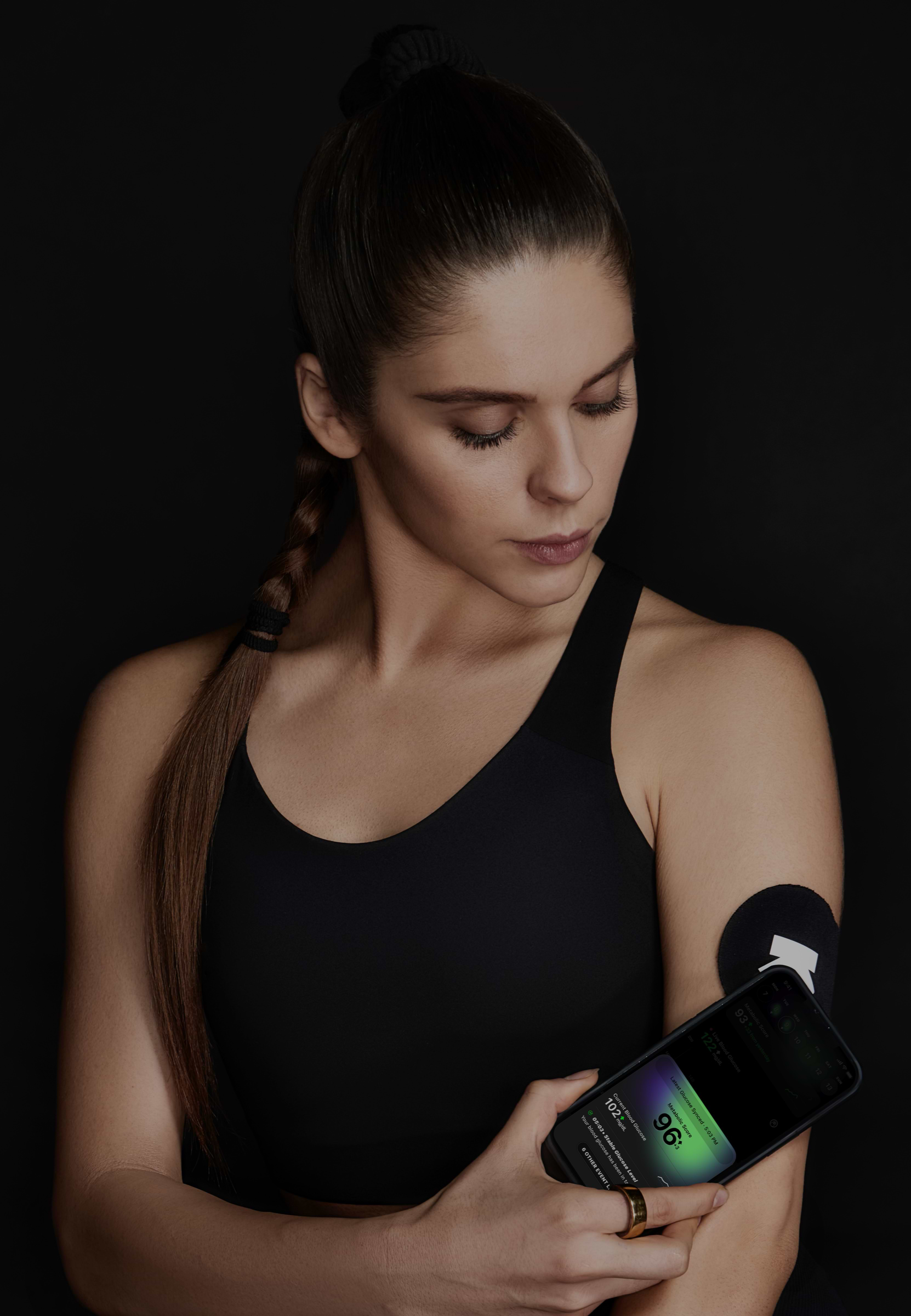
Ultrahuman M1 helps you measure the impact of food and activity on your body in real time through glucose as a biomarker.
Explore Ultrahuman M1Find Glucose response for your favourite foods
Explore OGDbYour cart is empty
Looks like you haven't added anything yet. Explore our products to get started.