


Salmon (1 Serving (57g)) and Quinoa (Cooked) (1 Cup, Cooked)
 Lunch
Lunch
113 mg/dL
avg. peak value
Usually causes a medium spike
Avg. Food Score on Ultrahuman App
Ultrahuman Users got a STABLE response
How to consume Quinoa (Cooked), Salmon without glucose spikes
Combine with High-Fiber Vegetables
Pair quinoa and salmon with high-fiber, non-starchy vegetables like broccoli, spinach, or kale. These vegetables slow down the digestion process and help in moderating blood sugar levels.
Add Healthy Fats
Include sources of healthy fats such as avocado, olive oil, or nuts. Healthy fats can help slow the absorption of carbohydrates, leading to a steadier blood sugar response.
Portion Control
Keep portion sizes of quinoa moderate. Consider using a smaller amount and balancing your plate with a larger portion of vegetables and protein from salmon.
Incorporate Protein
Ensure that the salmon portion is adequate to provide enough protein, which can help in stabilizing blood sugar levels by slowing down carbohydrate absorption.
Stay Hydrated
Drinking water before and during your meal can aid digestion and help in better blood sugar management.
Eat Slowly and Mindfully
Take your time to chew food properly and enjoy each bite. Eating slowly can prevent overeating and help your body process meals more efficiently.
Include a Vinegar-based Dressing
If adding a salad to your meal, consider a vinegar-based dressing. The acetic acid in vinegar may help improve insulin sensitivity and lower blood sugar spikes.
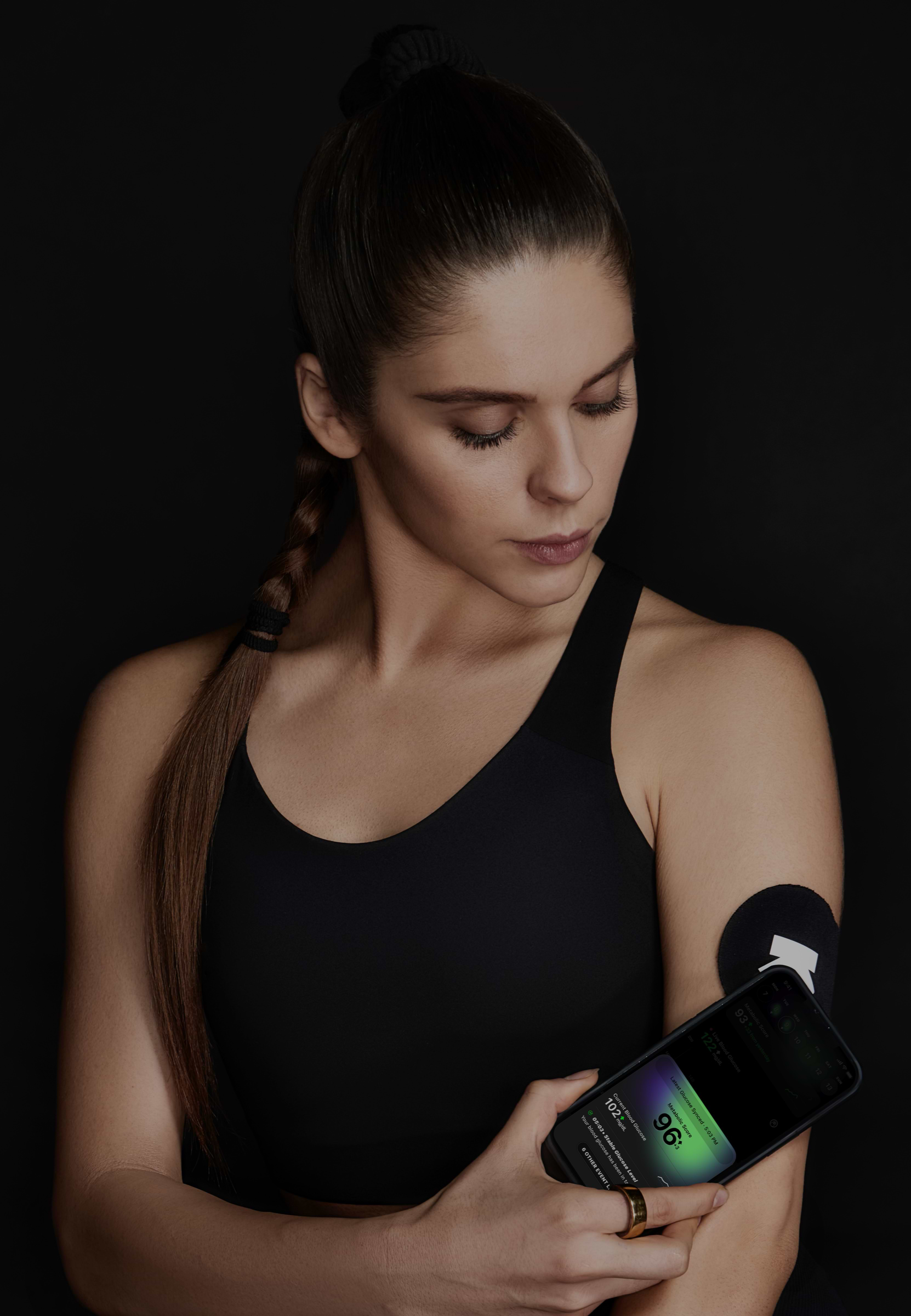
Discover
metabolic
health with M1
Ultrahuman M1 helps you measure the impact of food and activity on your body in real time through glucose as a biomarker.
Explore Ultrahuman M1Find Glucose response for your favourite foods
Explore OGDbYour cart is empty
Browse through our products and find something for you.