


Seafood Salad (1 Cup)
 Dinner
130 mg/dL
avg. peak value
Usually causes a large spike
Avg. Food Score on Ultrahuman App
Ultrahuman Users got an UNSTABLE response
How to consume Seafood Salad without glucose spikes
Portion Control
Limit the amount of seafood salad you consume at a time. Smaller portions can help manage glucose levels.
Add Fiber-Rich Foods
Incorporate foods like beans, lentils, or chickpeas into your meal. Their high fiber content can slow down the absorption of carbohydrates.
Include Healthy Fats
Add sources of healthy fats such as avocado, nuts, or olive oil to your meal. These can help moderate the increase in glucose levels.
Choose Whole Grains
If your seafood salad is accompanied by bread or crackers, opt for whole grain options like whole-wheat bread or brown rice.
Incorporate Leafy Greens
Add a generous portion of leafy greens such as spinach, kale, or arugula to your salad for added fiber and nutrients.
Stay Hydrated
Drink plenty of water before and after your meal, which can aid in digestion and help maintain stable glucose levels.
Eat Slowly
Take your time to eat, which can improve digestion and help your body better regulate glucose levels.
Exercise After Meals
Engage in light physical activity, such as a walk, after eating to help your body use glucose more effectively.
Monitor Carbohydrate Intake
Be mindful of the total carbohydrate content of your meal and adjust other carbohydrate sources accordingly.
Choose Low-Sugar Dressings
Use dressings that are low in added sugars or make your own using ingredients like lemon juice, vinegar, and olive oil.
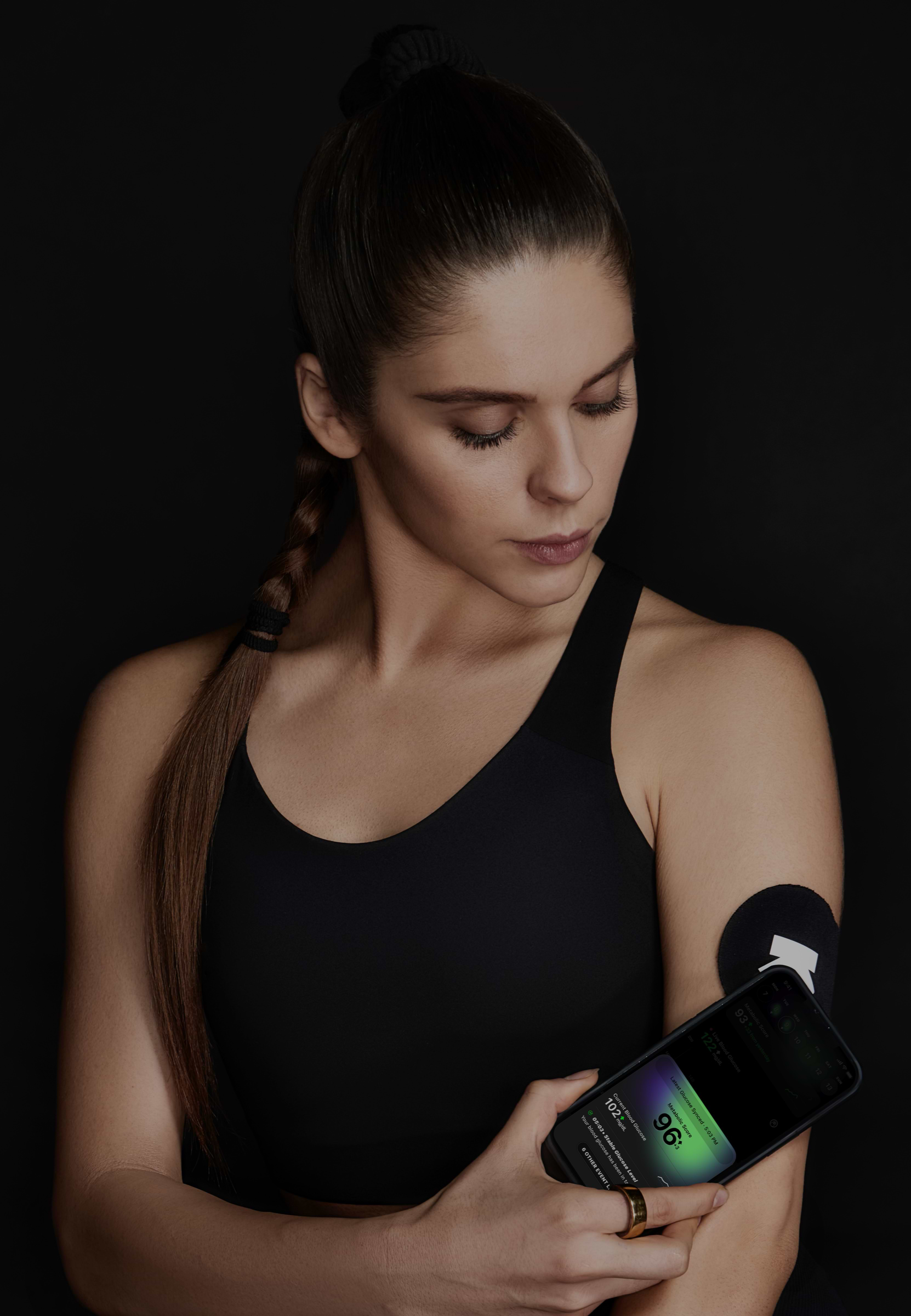
Discover
metabolic
health with M1
Ultrahuman M1 helps you measure the impact of food and activity on your body in real time through glucose as a biomarker.
Explore Ultrahuman M1Find Glucose response for your favourite foods
Explore OGDbYour cart is empty
Browse through our products and find something for you.