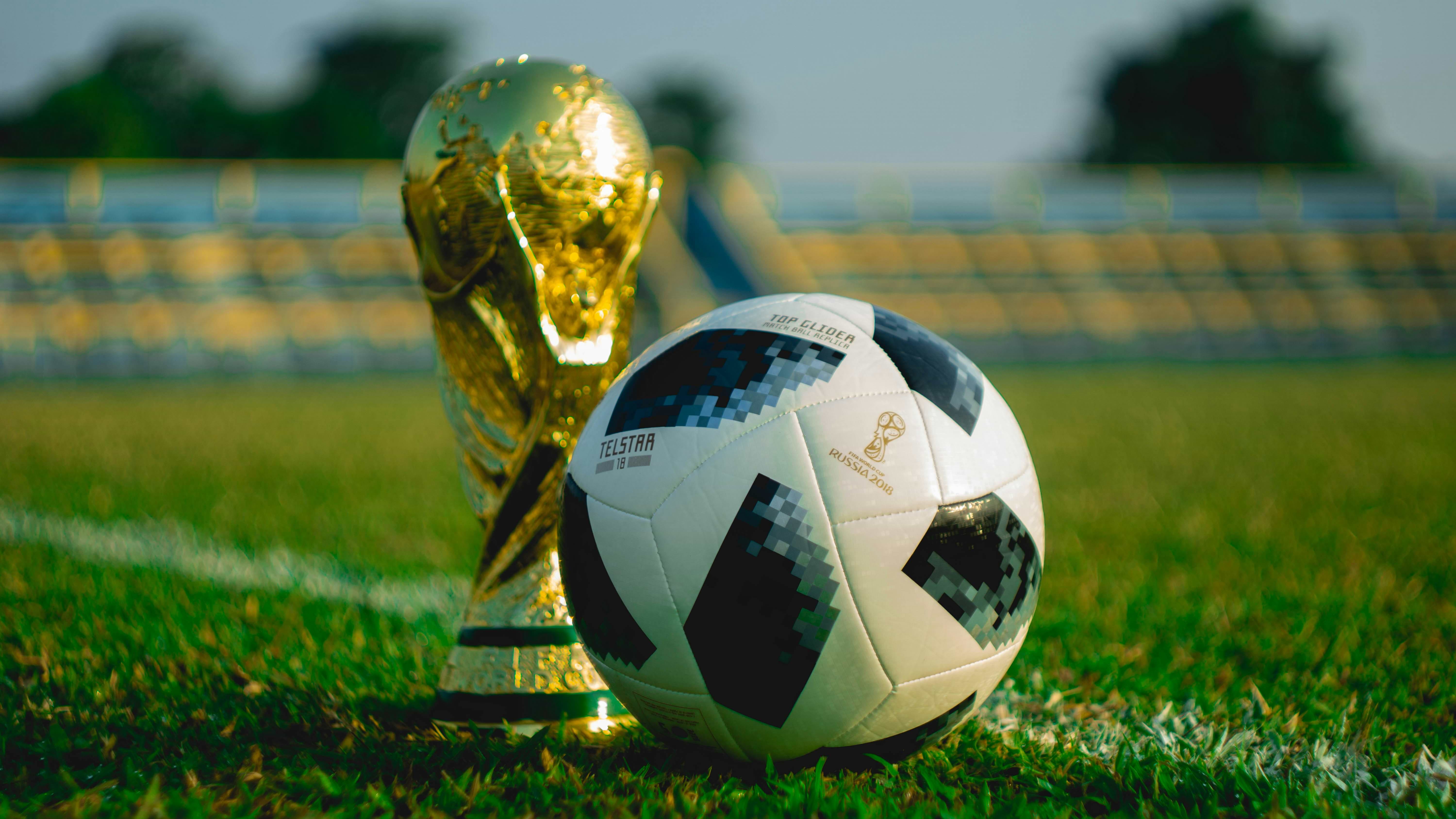
Ultrahuman has revealed how the nation reacted to England’s thrilling World Cup last-16 tie against Mexico. With the 1 am kick-off pushed back to 2 am at the formidable Estadio Azteca, Ultrahuman Ring members across England felt the impact on their sleep.
Among Ultrahuman members whose Ring flagged the match night as disrupted:
- Users managed 38 minutes less sleep on average – down to 6h 38m versus a usual 7h 16m – a drop of around 9%.
- 64% slept less than normal
- Around 1 in 9 appear to have followed the match from bed, spending roughly an hour and a half longer in bed than usual, yet getting about 35 minutes less sleep.
- 37% lost an hour or more of sleep and 20% lost two hours or more.
- Overnight HRV dropped around 5.6 ms (roughly 9%), resting heart rate edged up slightly, and sleep scores fell around 4 points.

While England’s players will spend the next few days recovering, their fans will bounce back sooner. For most people, a single late night settles within a night or two, and getting back to a steady sleep schedule is what helps most:
“Even a single short night leaves a mark we can measure. Across these members, overnight HRV dipped and resting heart rate edged up, the kind of pattern we see when sleep is cut short. For most people a one-off late night like this settles within a night or two of normal sleep. It is the repeated short nights that add up. The most useful thing now is getting back to a steady, consistent schedule, because that day-to-day regularity is one of the most underrated things we can do for our health, and it counts just as much as the number of hours we get,” said Vin Narasimhan, Head of Science, Ultrahuman
The cohort comprised England-based Ultrahuman Ring members automatically flagged by the Ring for a late night around the match. Each member was compared only against their own previous Sunday nights, so everyone acts as their own control. Data is aggregated and anonymised throughout.
Why it matters
A single late night can do more than leave you feeling groggy. It also shows up in the body’s recovery signals. On average, heart rate variability (HRV) dipped across England’s members, the kind of pattern we see when sleep is cut short.
“Moments where a whole country stays up until 2am for something this big are rare, and for the first time we can see the physiological impact in real time,” said Mohit Kumar, Founder and CEO of Ultrahuman. “Significant numbers of our user base sacrificed sleep, with HRV dropping and recovery taking a hit. This is exactly why we built a full-stack health ecosystem: to turn the signals people never see into something they can understand and act on.”
THE AUTHOR