Here’s a shocking stat: 71% of sports-science studies look only at male athletes . Just 9% look only at women.
That gap matters everywhere in sport. But for More than Equal, the world’s first driver development program built exclusively for young female racers, it’s even more important. Young women are even less studied in sport – and for those attempting to become the first female Formula 1 world champion – something needs to change.
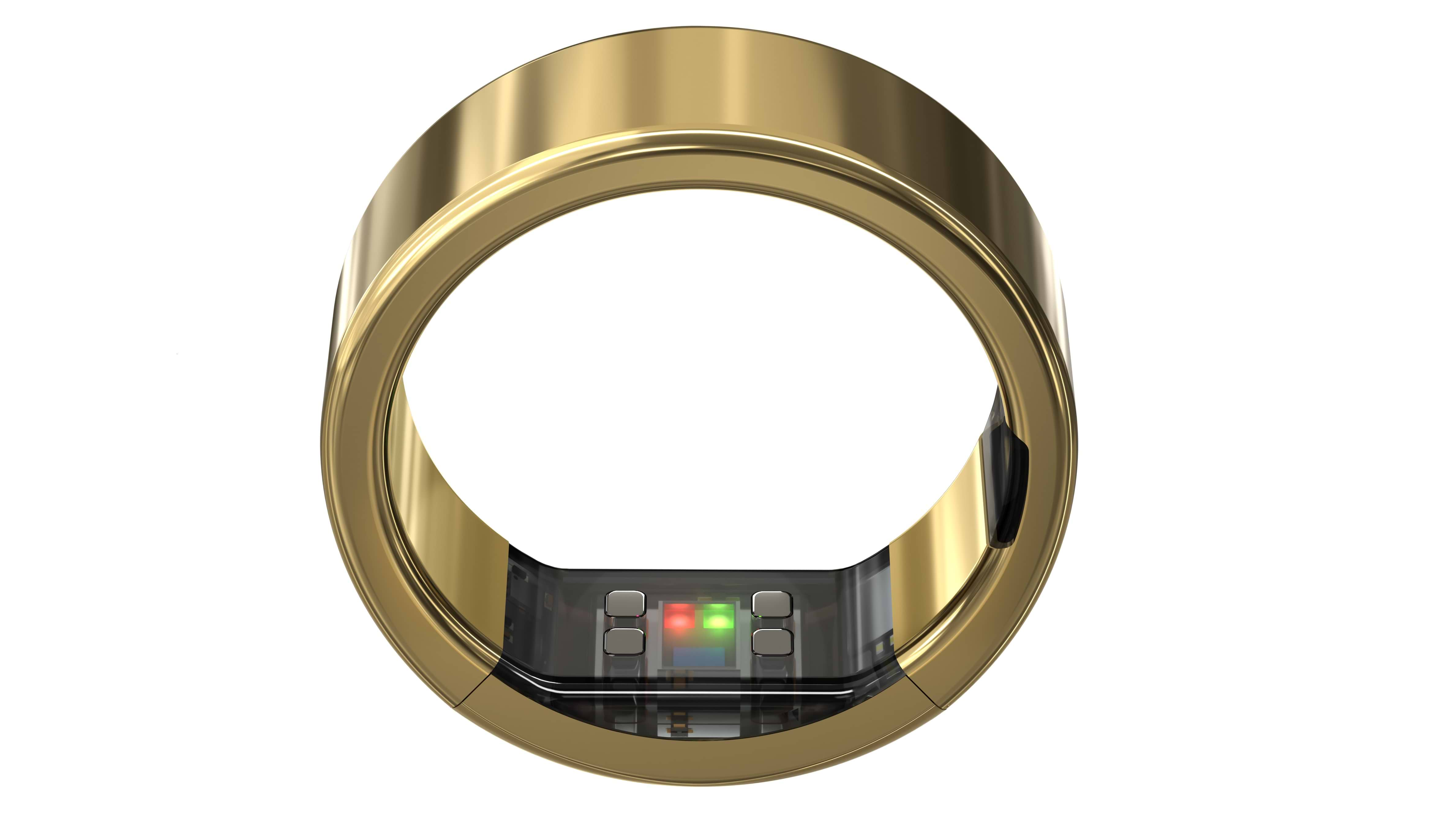
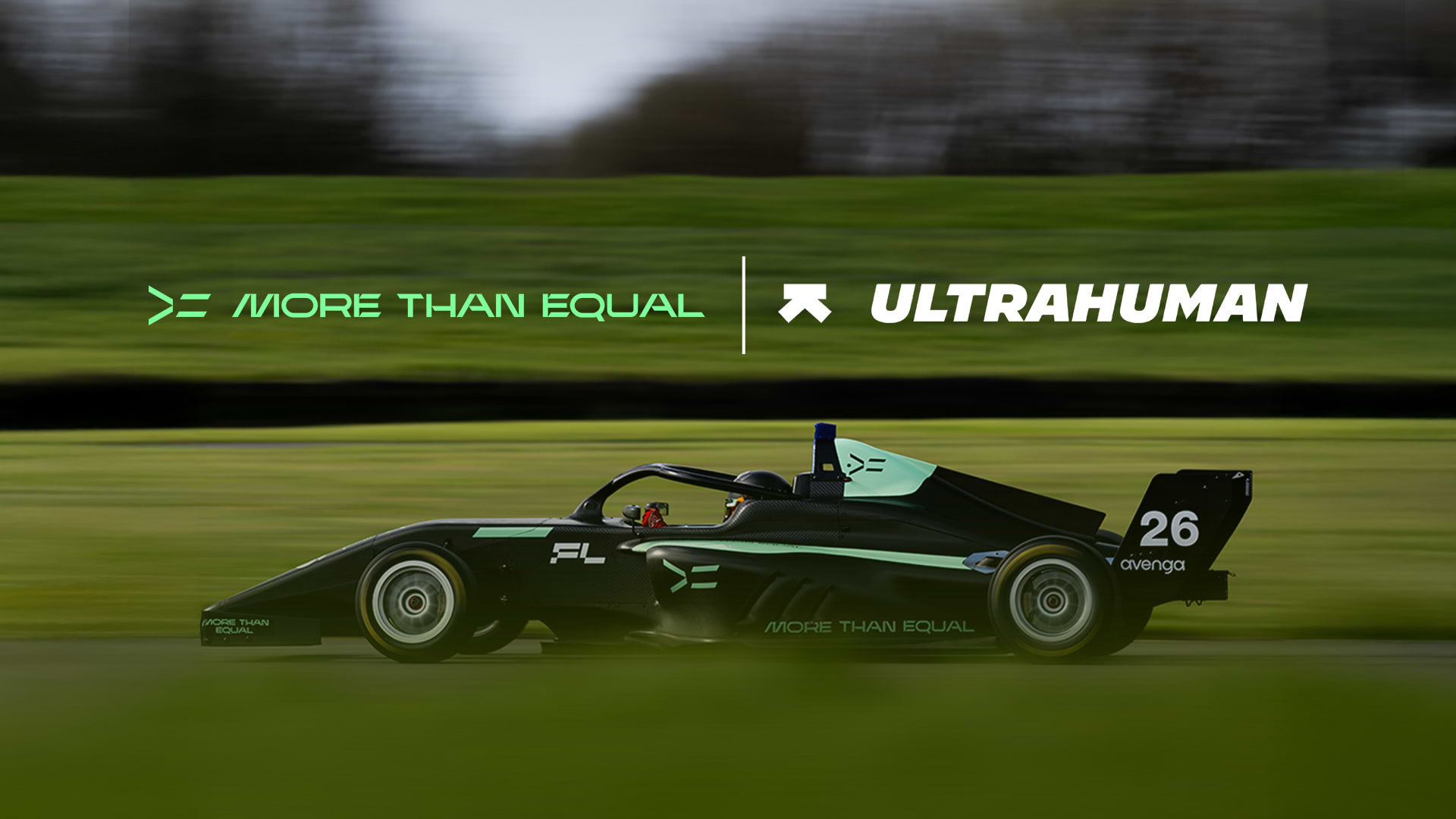
Ultrahuman has partnered with More Than Equal. Its drivers and coaches now wear the Ultrahuman Ring to track sleep, training and recovery across a full season, so their decisions are built on their own data, not men’s.
Sport’s gender data gap
Much of what sport knows about training and recovery was learned from men, then applied to women.
Motorsport makes the gap even wider. Women make up only around 10% of drivers, according to More than Equal’s research, and their biometrics are rarely tracked. No woman has raced in Formula 1 in 50 years.
More Than Equal was co-founded by 13-time Grand Prix winner David Coulthard and Karel Komárek to change that.
It’s already researching what makes female drivers different, through its partnership with Manchester Metropolitan University’s Institute of Sport, which studies the physiological and hormonal factors specific to female drivers.
What racing asks of the body

A stint in the car is brutal. Drivers sustain a high heart rate in a hot cockpit, under heavy braking and cornering loads, with no let-up in concentration. Add the demands of tests, simulator sessions and international travel, and they pile up across a season; crossing time zones can wreck sleep by pulling it out of step with the body clock .
For a driver, being under-recovered has a cost on track.
In 2026 alone, More Than Equal drivers have taken part in Formula 4 tests, simulator training and physical profiling, alongside individual coaching throughout their seasons. Many made the jump from international karting to Formula 4 for the first time.
How the Ultrahuman Ring helps
The ring gives drivers and coaches a continuous picture of how each athlete is coping, day and night.
- Sleep: sleep is the ultimate recovery power-up. The ring tracks how long and how well each driver sleeps, even as they cross time zones, and grades it as a Sleep Index .
- Recovery: heart rate, heart rate variability (HRV) , skin temperature and movement feed into a Recovery Score each morning.
- Personal baselines: every reading is judged against the driver’s own baseline, not a population average. That matters for young female athletes, who barely feature in the averages most sports data relies on. A resting heart rate or an HRV reading that counts as typical differs for women, and shifts again across a cycle.
The result is a season planned around how each driver is actually recovering. Training blocks, travel and test weeks can all flex to match.
Drivers who know their own bodies
The goal is young female drivers who understand how their bodies train, sleep and recover from the very start of their careers.
“Understanding how each driver responds to the demands of training, travel and competition is central to providing individualised support,” said Dr. Fran Longstaff, Chief Innovation Officer at More than Equal. “Our partnership with Ultrahuman gives us a more consistent picture of their sleep and recovery, helping our performance team make informed decisions alongside the drivers’ own feedback. It also helps our drivers understand their bodies and build habits that will support them as they progress through motorsport.”
This is just the start. There’s lots more coming from Ultrahuman on women’s health and sport.
Reference
Kaarre J, Hamrin Senorski E, Ley C, et al. Scientific evidence in female athletes: a systematic review of studies published in six leading sports medicine journals between 2017 and 2021. Am J Sports Med. 2023. PMID 36453705
THE AUTHOR