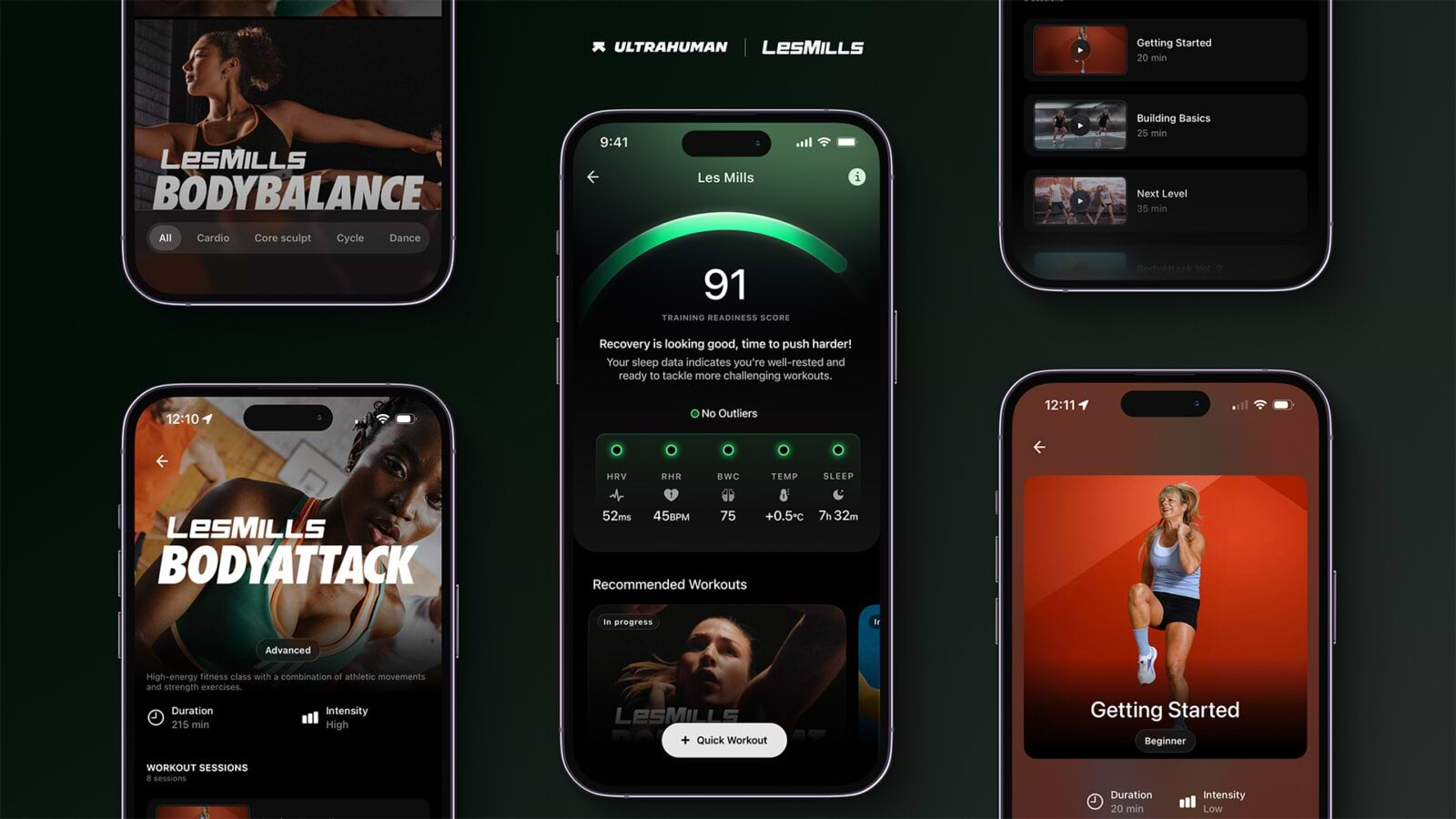
Your nervous system consists of two states – sympathetic and parasympathetic – which govern your stress levels, ability to perform, but also to rest.
Your parasympathetic nervous system dominates when you are at rest. It slows your heart rate, stimulates digestion, and sends blood back toward your organs and skin. Most of that signal travels down the vagus nerve.
The sympathetic nervous system is the counterweight. It speeds your heart, quickens your breathing, and sends blood to your muscles, whether you are facing a deadline or a sprint.
Neither branch switches off. Both run all the time, and the balance between them shifts with whatever you are doing.
In this guide, we explain how the two branches interact and how to shift the balance toward rest and digest.
Key takeaways
- The two branches are not a switch. Both run at once, but one dominates.
- Most parasympathetic signal travels down the vagus nerve, which is why almost every way of activating it comes back to stimulating vagal pathways.
- HRV is the best non-invasive proxy for detecting parasympathetic activation, and overnight HRV is the cleanest version of it a wearable can capture.
What’s the difference between the parasympathetic and sympathetic nervous systems?
Both branches make up your autonomic nervous system, the part that runs without conscious effort. Together they control heart rate, breathing depth, digestion, pupil dilation, and most of the body’s background regulation. They do opposite jobs through opposite chemical signals.
| Function | Sympathetic (“fight or flight”) | Parasympathetic (“rest and digest”) |
|---|---|---|
| Heart rate | Speeds up | Slows down |
| Breathing | Faster, shallower | Slower, deeper |
| Pupils | Dilate | Constrict |
| Digestion | Slows or shuts down | Stimulates |
| Blood flow | Diverts to muscles | Returns to organs and skin |
| Sweat | Increases | Decreases |
| Adrenaline | Released | Suppressed |
The vagus nerve, and why it does most of the work
The parasympathetic branch transmits most of its signal through the vagus nerve, the longest cranial nerve in the body. It runs from the brainstem through the neck and chest into the abdomen, touching the heart, lungs, stomach and intestines along the way.
That anatomy explains why the practical advice in this guide looks the way it does. If most parasympathetic traffic travels one route, then activating your parasympathetic system means finding inputs that route responds to. Breathing, cold on the face, and vocal-cord vibration all qualify.
That is also why HRV works as a proxy: what it reads is the vagus nerve’s influence on the heart’s pacemaker.
How your body switches between them
The two branches do not take turns. They run simultaneously, and dominance shifts with what your body is doing.
Stand up suddenly and sympathetic activity spikes briefly to hold your blood pressure steady. Lie down to sleep and parasympathetic activity rises as heart rate drops.
The mechanism is the baroreflex, a constant blood-pressure feedback loop that adjusts heart rate moment to moment. The flexibility of that loop is one of several inputs to heart rate variability (HRV), which also reflects respiratory rhythms and other autonomic signals.
High HRV means your nervous system moves between sympathetic and parasympathetic dominance fluidly. Low HRV means one branch, usually the sympathetic, is dominating in a way that does not release.
HRV has become the standard wearable proxy for cardiac vagal tone because the methodological literature on HRV treats it as an index of the parasympathetic contribution to cardiac regulation.
Signs your sympathetic system is overactive
Short-term sympathetic activation is functional and necessary. The problem is when it becomes chronic, and the body stays in ready-for-action mode at rest, in bed, and at weekends.
- Tired but wired: Exhausted, but unable to fall asleep, with racing thoughts at bedtime.
- Elevated resting heart rate: A sustained rise of several bpm above your normal baseline, lasting more than a few days.
- Persistently low HRV: A drop below your usual range across multiple nights.
- Disrupted digestion: Bloating, irregular bowel movements, or appetite changes. Sustained sympathetic dominance slows digestion.
- Poor or fragmented sleep: Taking longer to fall asleep, waking through the night, or feeling unrefreshed despite enough hours in bed.
How to activate the parasympathetic nervous system
The parasympathetic branch responds to direct, intentional inputs within seconds to minutes. A few minutes of focused breathing or cold exposure can shift HRV measurably in a single session. Five levers:
1. Slow nasal breathing with long exhales: The most studied of the five. A review of slow breathing in healthy humans documents effects on HRV and sympathovagal balance, while noting how much remains to be established. The rate matters: the coupling between breath and heart rate is strongest at 0.1 Hz and below , which is six breaths a minute or slower, so roughly four to five seconds in and five to six seconds out. The vagus nerve responds specifically to the exhale. Box breathing (4-4-4-4) and 4-7-8 breathing both work through this mechanism.
2. Cold on the face: Submerging your face in cold water, or holding a cold pack against the forehead and cheekbones, triggers the mammalian dive reflex, a direct vagal pathway. Heart rate drops within seconds, which makes it the most useful of the five during acute anxiety.
3. Humming, singing, chanting or gargling: Structured singing changes HRV through the same long-exhale physiology that makes paced breathing work, with breathing and heart rate synchronizing as the song structure guides the breath. The vagus nerve also passes the larynx, so vocal-cord vibration may contribute, though that mechanism is less established.
4. A 10–15 minute walk after a meal: Light post-meal movement engages the gut-brain axis and supports digestion without spiking sympathetic activity. It also blunts the post-meal glucose rise.
5. Sleep timing and consistency: Deep, non-REM sleep is peak parasympathetic dominance, so protecting it moves your underlying balance rather than just your acute state. Several weeks of regular sleep timing can lift baseline HRV, though individual response varies.
One honest caveat on all five. They shift the acute state reliably, and they do not fix the load underneath it. Workload, relationships and scheduling need structural answers, not breathing exercises.
For a structured list of HRV-raising tactics, see Ultrahuman’s 11 ways to improve HRV .
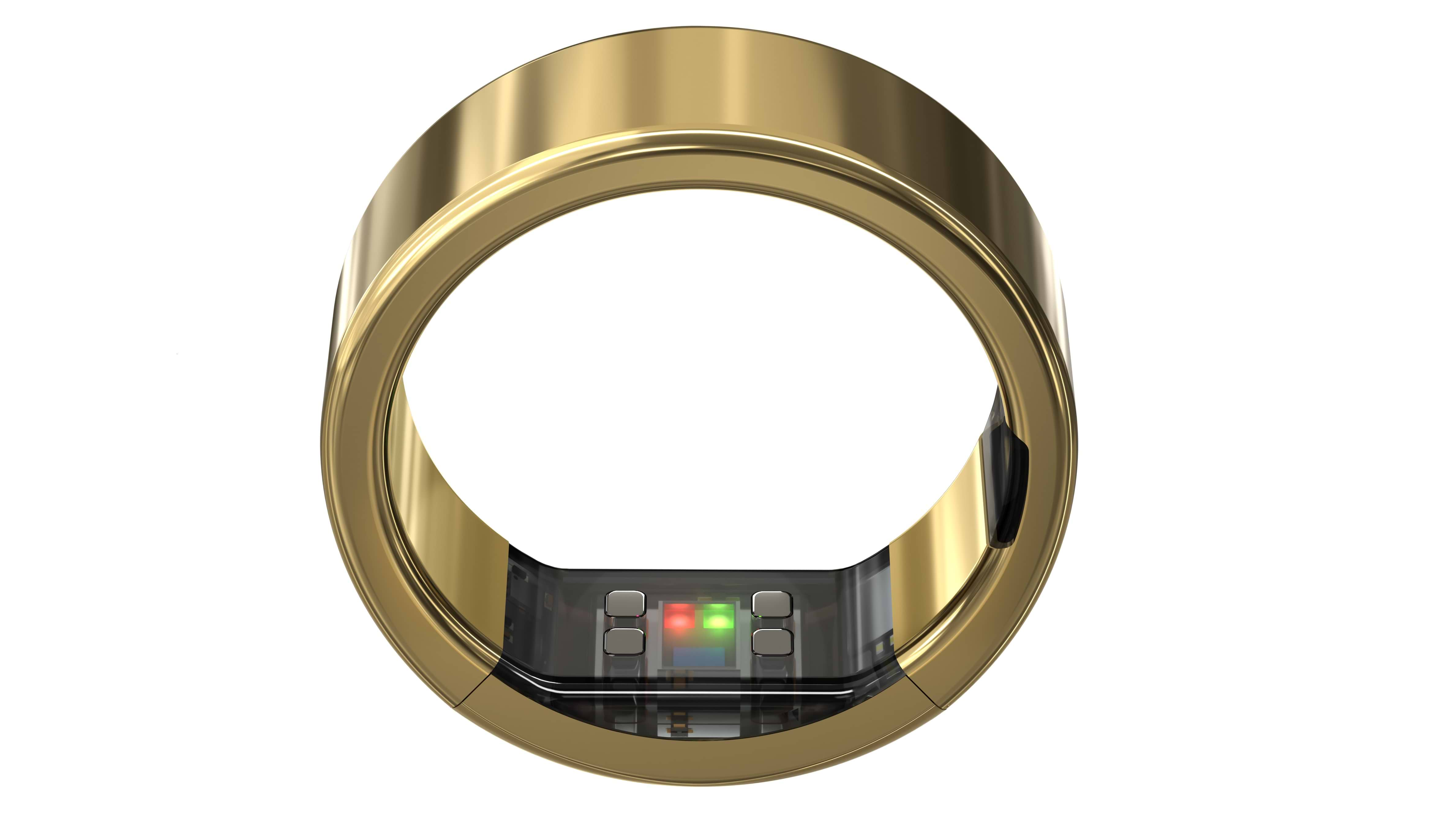
How your Ring AIR or Ring PRO measures the balance
No wearable measures sympathetic and parasympathetic activity directly. What a ring measures is the downstream effect on heart rate, HRV, and breathing rate.
Overnight HRV is the closest parasympathetic proxy a consumer device can give you. Sleep is when sympathetic noise drops away and the autonomic signal is cleanest, so a higher overnight HRV reflects stronger parasympathetic dominance through the night.
Resting heart rate trends track the longer-term balance. A persistent upward drift usually means elevated baseline sympathetic activity, from training load, chronic stress, an illness coming on, or alcohol.
The size of your nightly drop is the number most people have never looked at, and the one that shows parasympathetic activation most directly.
Frequently asked questions
How do you know if you’re parasympathetic- or sympathetic-dominant?
Your nervous system is never fully in one mode. The balance shifts moment to moment. The most reliable signals of chronic sympathetic dominance are persistently low HRV, an elevated resting heart rate trend, poor sleep onset, disrupted digestion, and a “tired but wired” feeling. Healthy parasympathetic activation shows up as higher overnight HRV, a steady resting heart rate baseline, easy sleep onset and normal digestion. A wearable like the Ring AIR or Ring PRO trends these across weeks, which tells you more than any single day.
What activates the parasympathetic nervous system fastest?
Cold on the face, whether a cold pack on the forehead or water splashed on the face, triggers the mammalian dive reflex and slows heart rate within seconds. Slow nasal breathing with long exhales, at six breaths a minute or slower, is the most studied and the most broadly useful. Humming, singing, gargling and chanting work through the same long-exhale physiology.
Can you be stuck in sympathetic mode?
Functionally, yes. Chronic stress, poor sleep, overtraining and persistent emotional load can hold the body in elevated sympathetic activity for weeks or months. The signs are the ones above: tired but wired, persistently low HRV, elevated resting heart rate, disrupted digestion and poor sleep onset. The clinical framing is allostatic load, the accumulated cost of a stress response that never fully resets.
Is HRV the same as parasympathetic activity?
Not exactly, but it is the best non-invasive proxy available. Higher HRV typically reflects stronger parasympathetic dominance. HRV metrics and norms vary substantially with measurement method, recording length and population, and the authors of that overview stress that 24-hour, short-term and ultra-short-term norms are not interchangeable. Your own trend matters more than the absolute number.
How long does it take to shift from sympathetic to parasympathetic dominance?
Slow breathing, cold on the face and humming shift HRV within minutes. Once you are in bed, parasympathetic dominance builds gradually through the early stages of non-REM sleep. Moving your underlying baseline takes several weeks of consistent sleep, training and breathing practice before it shows up in wearable data.
References
- Laborde S, Mosley E, Thayer JF. Heart rate variability and cardiac vagal tone in psychophysiological research: recommendations for experiment planning, data analysis, and data reporting. Frontiers in Psychology 2017;8:213. PMID 28265249 . Methodological recommendations paper.
- Russo MA, Santarelli DM, O’Rourke D. The physiological effects of slow breathing in the healthy human. Breathe 2017;13(4):298–309. PMID 29209423 . Review in healthy humans.
- Vickhoff B, Malmgren H, Åström R, et al. Music structure determines heart rate variability of singers. Frontiers in Psychology 2013;4:334. PMID 23847555 . Healthy 18-year-olds, plus a separate five-person case study. An erratum was published in 2013 (Frontiers in Psychology 4:599).
- Shaffer F, Ginsberg JP. An overview of heart rate variability metrics and norms. Frontiers in Public Health 2017;5:258. PMID 29034226
- Ultrahuman Ring AIR cohort, n=329,460 users aged 20–90. Day-time and night-time resting heart rate, methodology above.
THE AUTHOR