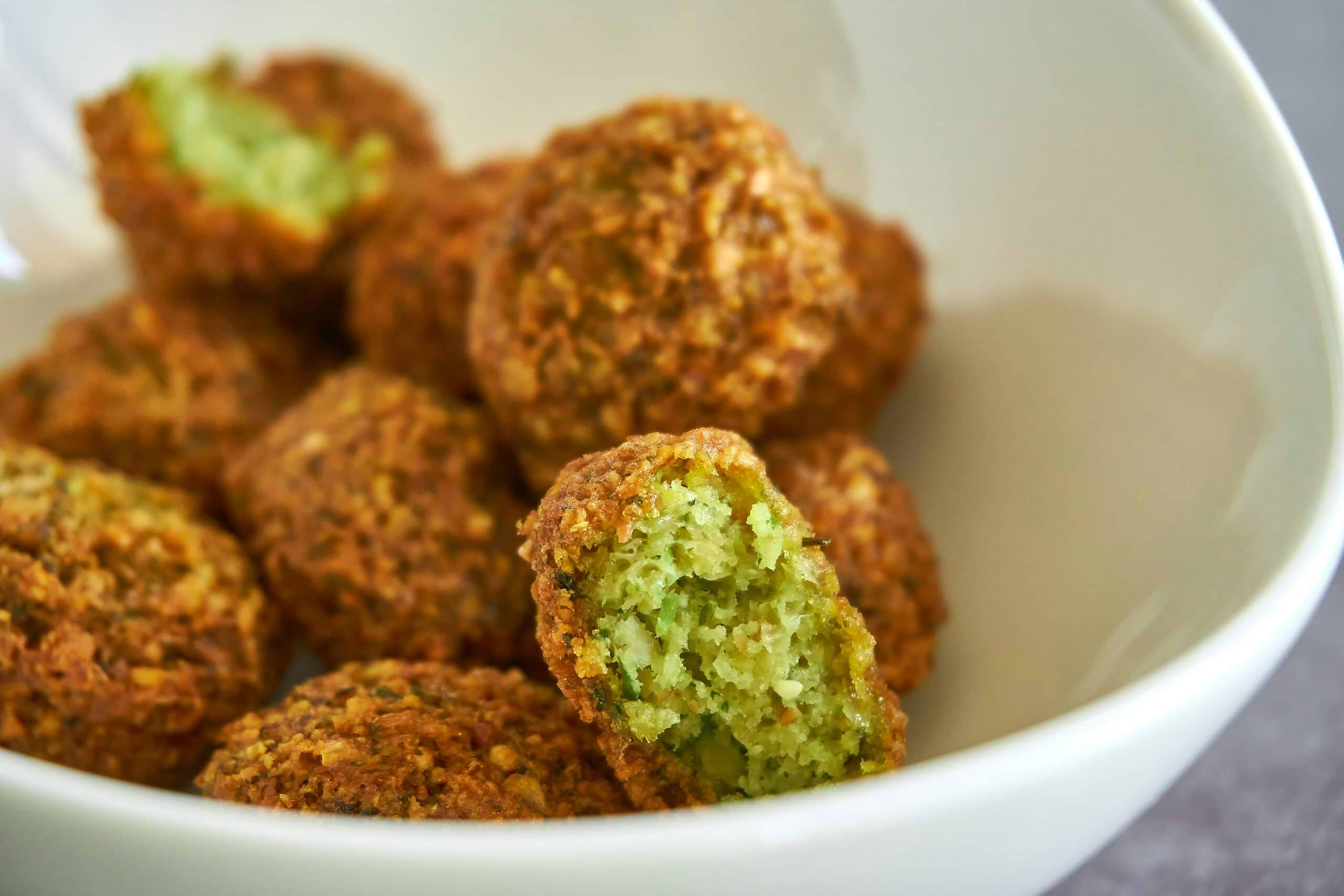
Falafel is synonymous with health food, but if you’re watching your blood sugar levels, it can pack an unhealthy surprise.
On paper, chickpeas look like a safe bet with moderate carbs, high fiber, low glycemic index. And falafel, made from ground chickpeas and spices, is a good bet too. But Ultrahuman data shows a serious spike, and that’s down to the wrap itself.
Read more: What is metabolic age – and how to reduce it
Falafel wrap glucose data

But when Ultrahuman users logged their CGM data after eating a falafel wrap , the results told a different story:
Average peak glucose: 136 mg/dL and 76% of users experienced an unstable spike.
That’s a fast, medium-level spike that leaves most people metabolically wobbling afterward.
The wrap is often made with refined flour and provides a fast-absorbing carbohydrate base. Add in multiple falafel patties, hummus, and the absence of balancing fats or greens, and it’s a meal that can seriously spike.
If you’re aiming for metabolic stability — fewer glucose swings, better energy, more consistent fat-burning — the falafel wrap might be doing more harm than good.
How to reduce the spike
You don’t have to ditch falafel – try these methods:
- Use a whole-grain or low-carb wrap, limit to one or two patties, and load it with fiber-rich vegetables.
- Swap the wrap for a bowl with greens, olive oil, and tahini. It’s tasty and way better for your blood sugar.
- Add protein or healthy fats to slow the rise – seeds and avocado are great choices and pair well.
- Walk just after your meal – even a 10-minute walk can help flatten the curve.
Summary
The falafel wrap isn’t the clean option you think it is. For most people, it delivers a medium glucose spike and unstable aftermath. But small tweaks such as whole grains, fiber, fats, and movement can change the game.
THE AUTHOR