

Introducing Pulsomics. Contribute to science. Learn MoreIntroducing Pulsomics. Contribute to science.
M2 Live is here. Continuous Glucose Tracking, no Rx
Introducing Pulsomics. Contribute to science. Learn MoreIntroducing Pulsomics. Contribute to science.
Ultrahuman Ring
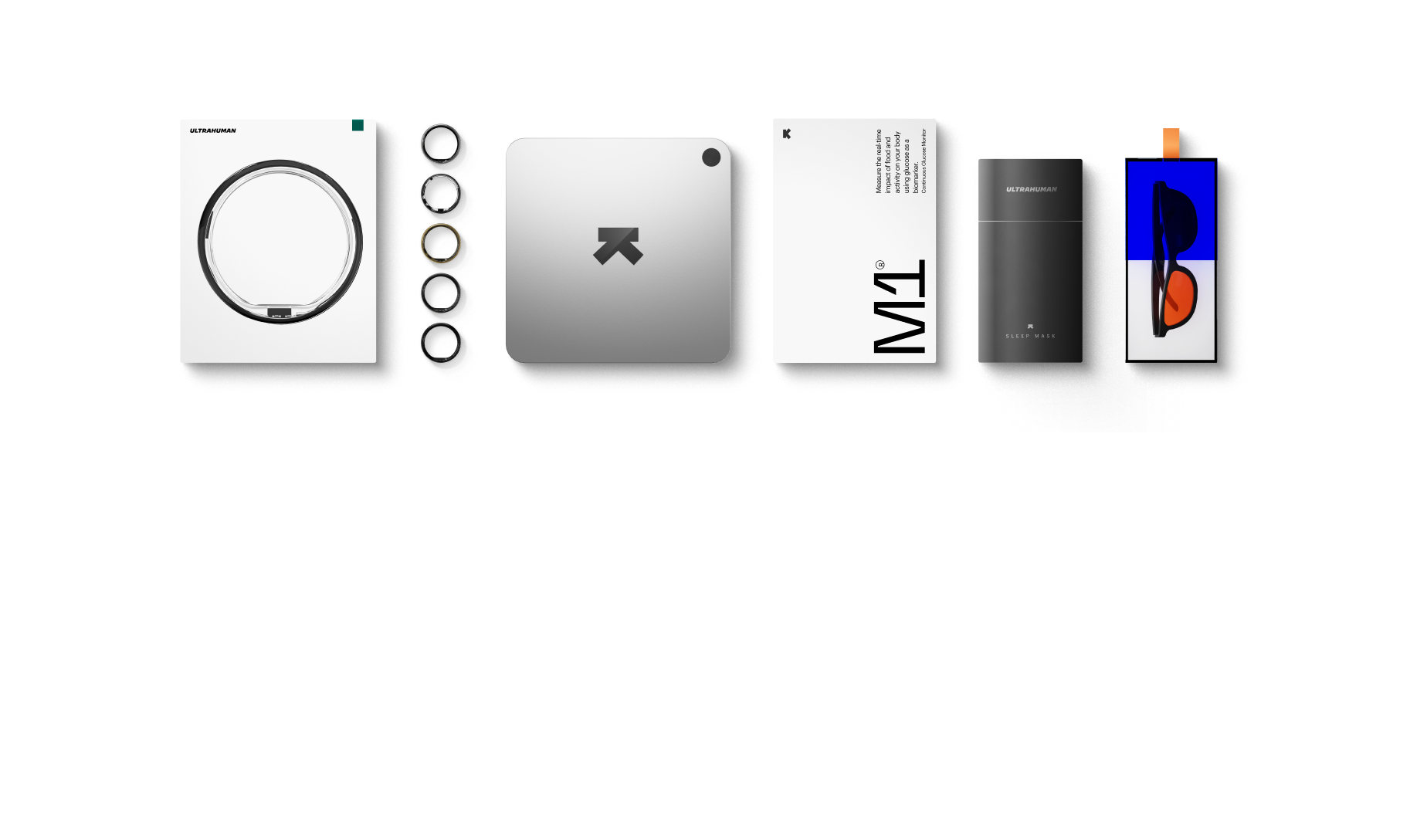
Choose the ring built for you.

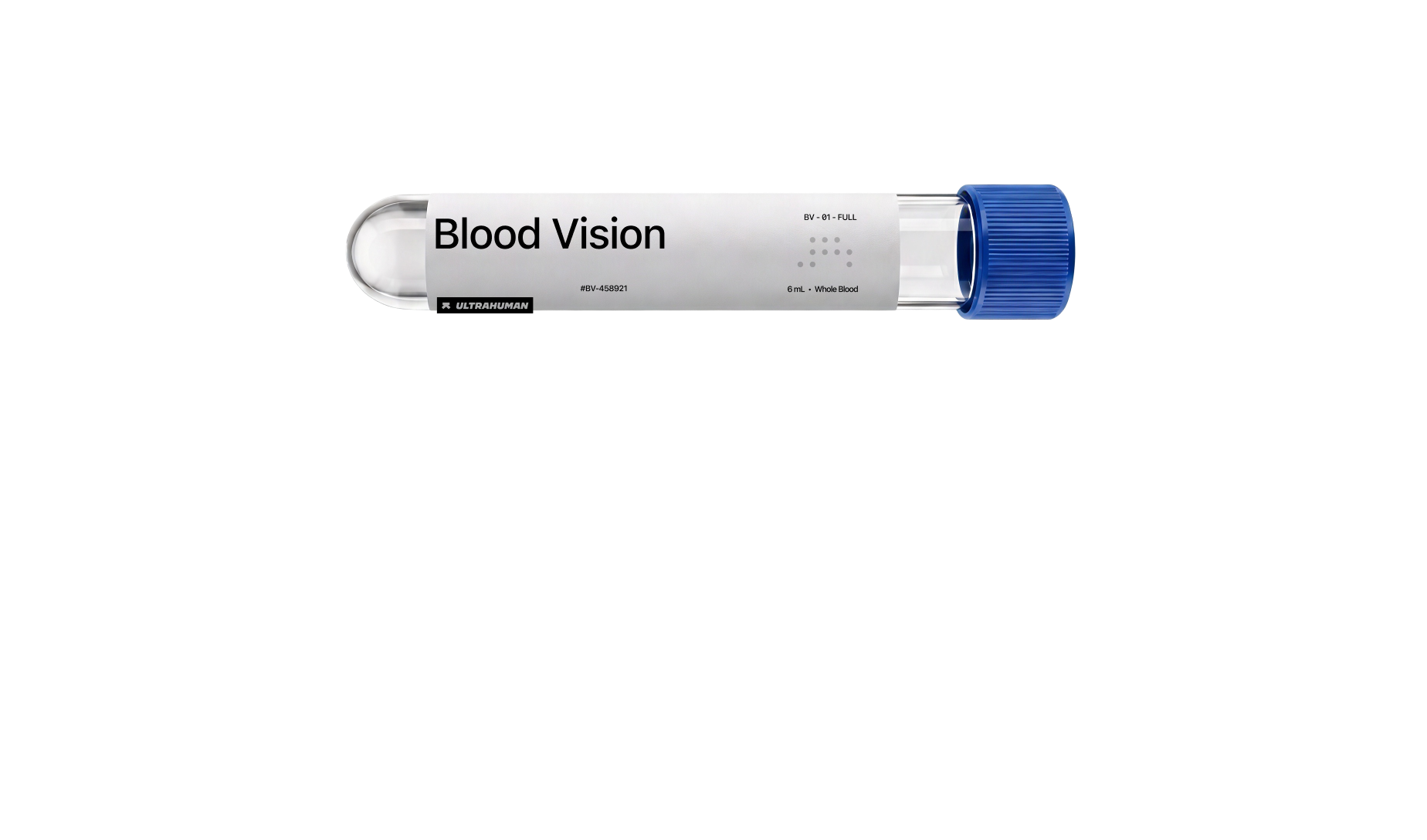

Performance Lab
Train, test and recover at our Bengaluru facility.


Science & Research

Blueberries (1 Cup), Avocado (Calavo) (1 Serving), Arugula (Rocket) (0.5 Cup), High Protein Organic Tofu - Super Firm (Trader Joe's) (1 Serving), Poached Egg (1 Large), Coffee (1 Mug (8 Fl Oz)) and Organic Unsweetened Soymilk (WestSoy) (1 Serving)
 Breakfast
103 mg/dL
avg. peak value
Usually causes a medium spike
Avg. Food Score on Ultrahuman App
62%
Ultrahuman Users got an UNSTABLE response
How to consume avocado, arugula (rocket), blueberries, coffee, high protein organic tofu super firm, organic unsweetened soymilk, poached egg without glucose spikes
Certainly! Here is a list of recommendations to help you manage and reduce glucose spikes:
Portion Control
Keep an eye on the portion sizes of the foods you're consuming, especially those that can contribute to glucose spikes. Eating smaller portions can help manage your blood sugar levels more effectively.
Balanced Meals
Ensure your meals are balanced by including a mix of protein, healthy fats, and fiber. This combination can help slow down digestion and prevent rapid glucose spikes.
Increase Fiber Intake
Incorporate more high-fiber foods like leafy greens, nuts, seeds, and whole grains. Fiber can help stabilize blood sugar levels by slowing the absorption of sugar.
Space Out Carbohydrates
Instead of consuming all your carbohydrate-rich foods in one sitting, try to distribute them evenly throughout the day to maintain more stable blood sugar levels.
Add Vinegar to Meals
Including a small amount of vinegar, such as apple cider vinegar, in your meals can help improve insulin sensitivity and reduce blood sugar spikes.
Stay Hydrated
Drink plenty of water throughout the day. Proper hydration supports overall metabolic processes and can help maintain stable blood sugar levels.
Mindful Eating
Eat slowly and mindfully, paying attention to your body's hunger and fullness cues. This can prevent overeating and help with better blood sugar management.
Regular Physical Activity
Engage in regular exercise or physical activity. Activity helps improve insulin sensitivity and can lower blood sugar levels post-meal.
Pair with Low-Glycemic Foods
Incorporate more foods like beans, lentils, and non-starchy vegetables in your meals. These foods can help balance the overall impact on your blood sugar.
Monitor Meal Timing
Try to eat your meals at consistent times each day. Regular meal timing can help regulate your body's insulin response.
By implementing these strategies, you can better manage glucose spikes and maintain more stable blood sugar levels.
Powered by ChatGPT. ChatGPT's information is based on machine learning and may not be entirely accurate or reliable. Consult a healthcare professional before changing your lifestyle, diet or treatment. We don't endorse any specific foods, products and assume no liability for any loss or damage caused by relying on ChatGPT.


Discover
metabolic
health with M2
Ultrahuman M2 helps you measure the impact of food and activity on your body in real time through glucose as a biomarker.
Explore Ultrahuman M2Find Glucose response for your favourite foods
Explore OGDbYour cart is empty
Looks like you haven't added anything yet. Explore our products to get started.