

Baked or Broiled Salmon (1 Medium Salmon Steak (5/8 Inches Thick))
 Dinner
113 mg/dL
avg. peak value
Usually causes a small spike
Avg. Food Score on Ultrahuman App
Ultrahuman Users got a STABLE response
Other related foods
- baked or fried coated chicken wing with skin
- baked beans
- baked or broiled salmon
- roasted broiled or baked chicken breast
- roasted broiled or baked chicken
- mixed salad greens roasted broiled or baked chicken
- roasted broiled or baked chicken breast skin not eaten
- roasted broiled or baked chicken wing skin eaten
- baked or broiled fish
- baked or broiled sea bass
How to consume baked or broiled salmon without glucose spikes
Combine with Fiber-Rich Vegetables
Pair your salmon with fiber-rich vegetables like broccoli, spinach, or kale. These can help slow down the absorption of glucose into the bloodstream.
Add Healthy Fats
Incorporate healthy fats such as avocado or a handful of nuts. These fats can help moderate the digestion process and prevent rapid spikes in glucose levels.
Include Vinegar or Lemon Juice
Add a splash of vinegar or lemon juice to your meal. The acidity can help improve insulin sensitivity and decrease the glucose response.
Opt for Whole Grains
If you are having a side of grains, choose whole grains such as quinoa or barley instead of refined grains. These have a slower digestion rate.
Hydrate Adequately
Drink plenty of water before and during your meal. Staying hydrated can help maintain stable blood sugar levels.
Mind Portion Sizes
Be mindful of portion sizes to avoid overeating, which can lead to higher glucose spikes regardless of the food consumed.
Prioritize Meal Timing
Try eating your meal at regular intervals and avoid long gaps between meals to maintain consistent blood sugar levels.
Incorporate Protein-Rich Foods
Along with salmon, consider adding other protein-rich foods like beans or lentils. Proteins take longer to digest and can help in reducing glucose spikes.
Practice Mindful Eating
Eat slowly and savor each bite. This can aid in digestion and help you recognize fullness cues to prevent overeating.
Monitor and Adjust
Keep track of how different combinations of foods affect your glucose levels and adjust your meal plans accordingly to find what works best for you.
Discover
metabolic
health with M1
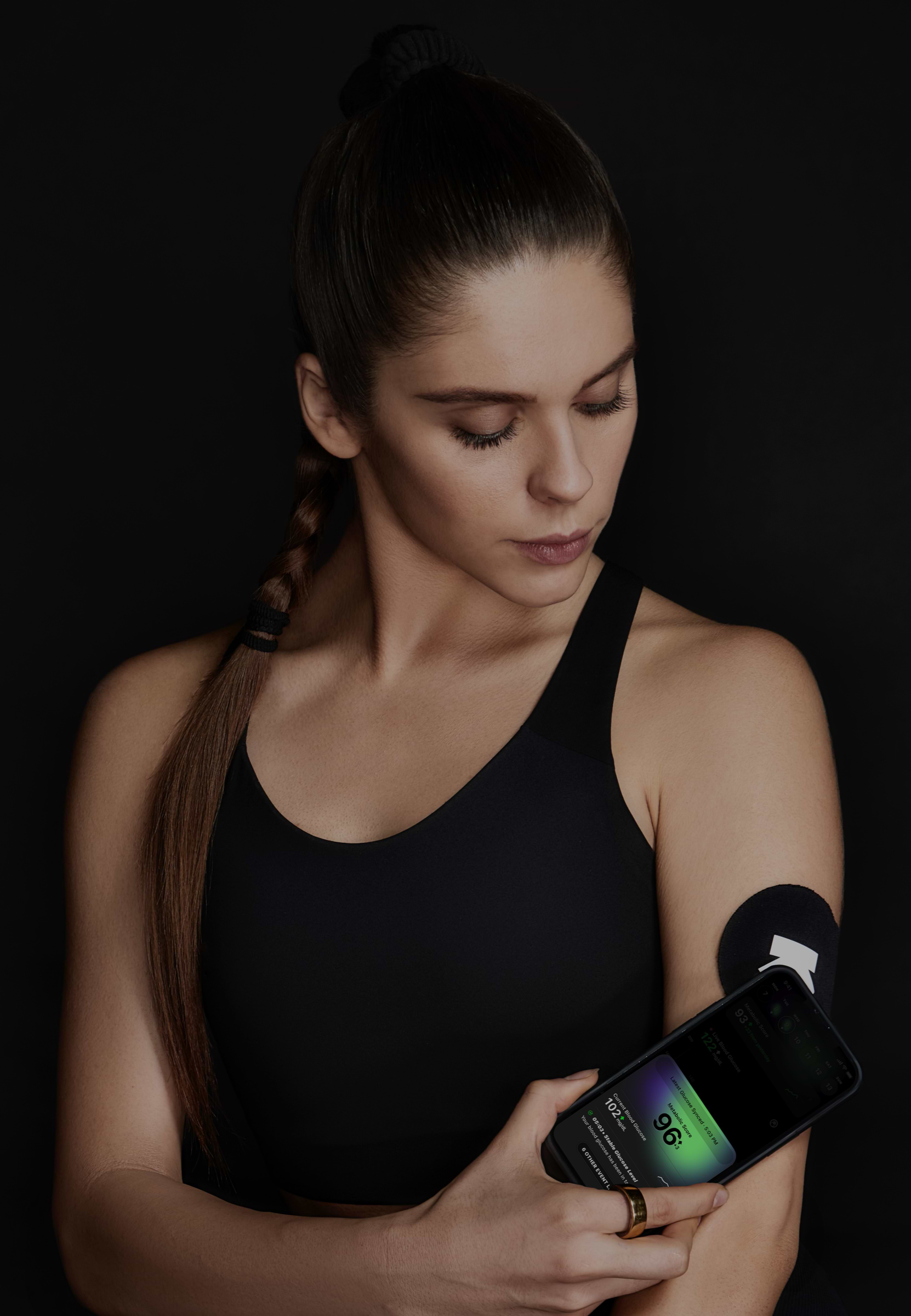
Ultrahuman M1 helps you measure the impact of food and activity on your body in real time through glucose as a biomarker.
Explore Ultrahuman M1Find Glucose response for your favourite foods
Explore OGDbYour cart is empty
Looks like you haven't added anything yet. Explore our products to get started.