

Poha (1 Cup) and Boiled Egg (1 Large)
 Breakfast
161 mg/dL
avg. peak value
Usually causes a medium spike
Avg. Food Score on Ultrahuman App
Ultrahuman Users got an UNSTABLE response
How to consume Boiled Egg, Poha without glucose spikes
Portion Control
Reduce the portion size of Poha to help moderate the glucose response. Keep track of the serving size to avoid overconsumption.
Protein and Fiber Addition
Pair your meal with a source of protein and fiber such as a small serving of chickpeas or lentils. This can help slow down the absorption of glucose.
Healthy Fats
Include healthy fats like a small amount of avocado or a few nuts (like almonds or walnuts) alongside your meal to help stabilize blood sugar levels.
Vegetable Inclusion
Add non-starchy vegetables such as spinach, bell peppers, or cucumber to your meal. These are low in carbohydrates and can help balance the meal.
Timing and Frequency
Consider spreading out the consumption of Poha and boiled eggs over multiple meals rather than consuming all at once to prevent spikes.
Mindful Eating
Eat slowly and chew thoroughly to allow your body ample time to digest and metabolize the food, potentially reducing spikes.
Stay Hydrated
Drink water before and after your meal to aid digestion and prevent dehydration, which can affect blood sugar levels.
Physical Activity
Engage in light physical activity such as a short walk or gentle exercise after eating to help utilize glucose and reduce spikes.
Herbal Teas
Enjoy a cup of unsweetened herbal tea such as green tea after your meal, which may help in managing blood glucose levels.
Regular Monitoring
Monitor your blood sugar levels regularly to understand how your body responds to different foods, and adjust your diet accordingly.
Discover
metabolic
health with M1
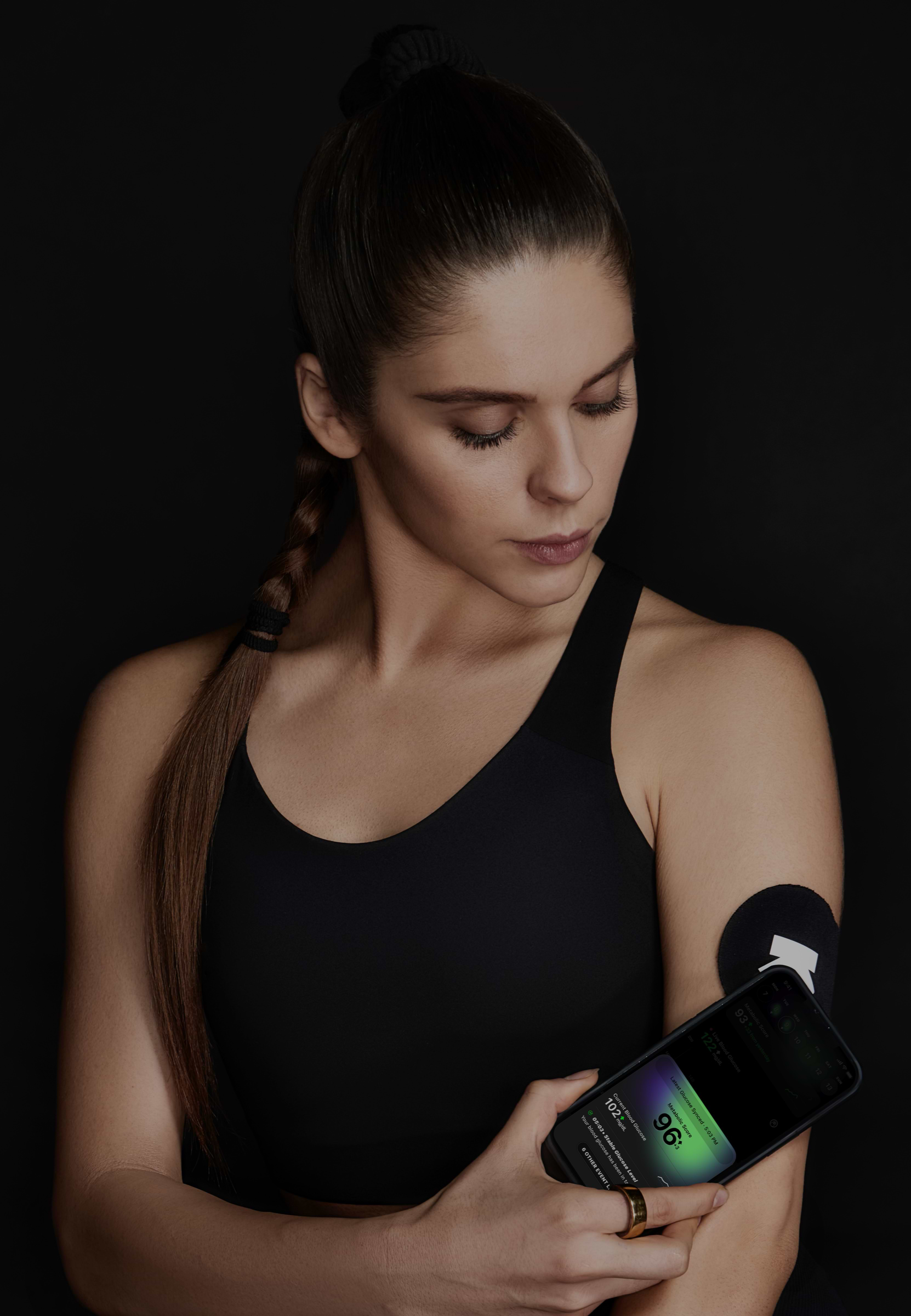
Ultrahuman M1 helps you measure the impact of food and activity on your body in real time through glucose as a biomarker.
Explore Ultrahuman M1Find Glucose response for your favourite foods
Explore OGDbYour cart is empty
Looks like you haven't added anything yet. Explore our products to get started.