
Loading...

Kanda Poha (1 Serving (245g)) and Chai (1 Mug (8 Fl Oz))

food-timeBreakfast

190 mg/dL

avg. peak value

Usually causes a large spike

2

Avg. Food Score on Ultrahuman App

100%

Ultrahuman Users got an UNSTABLE response

How to consume chai, kanda poha without glucose spikes

Choose Brown or Red Poha

Opt for brown or red poha instead of white. These have more fiber, which can help moderate glucose spikes.

Add Protein

Include a source of protein like boiled eggs or a handful of nuts (such as almonds or walnuts) with your meal to help stabilize blood sugar levels.

Incorporate Vegetables

Add more vegetables such as peas, spinach, or bell peppers to your poha. The added fiber can help slow down the absorption of glucose.

Opt for Unsweetened Chai

Make your chai without added sugars or sweeteners. Instead, use spices like cinnamon or nutmeg for flavor.

Use Low-Fat Milk

Prepare your chai with low-fat milk or consider plant-based alternatives like almond or soy milk to manage fat intake, which can influence glucose levels.

Portion Control

Be mindful of your portion sizes for both chai and poha to avoid sudden spikes in blood glucose.

Stay Hydrated

Drink plenty of water throughout the day. Proper hydration can help your body manage glucose levels more effectively.

Engage in Light Activity

After eating, take a short walk or engage in light physical activity to help your body use excess glucose efficiently.

Consider Spices

Include spices such as turmeric and fenugreek in your poha. These have been known to have beneficial effects on blood sugar levels.

Monitor Your Intake

Keep track of how different foods affect your blood glucose levels over time. Adjust your diet based on these observations for better control.

healthspan-mbl

Discover
metabolic
health with M1

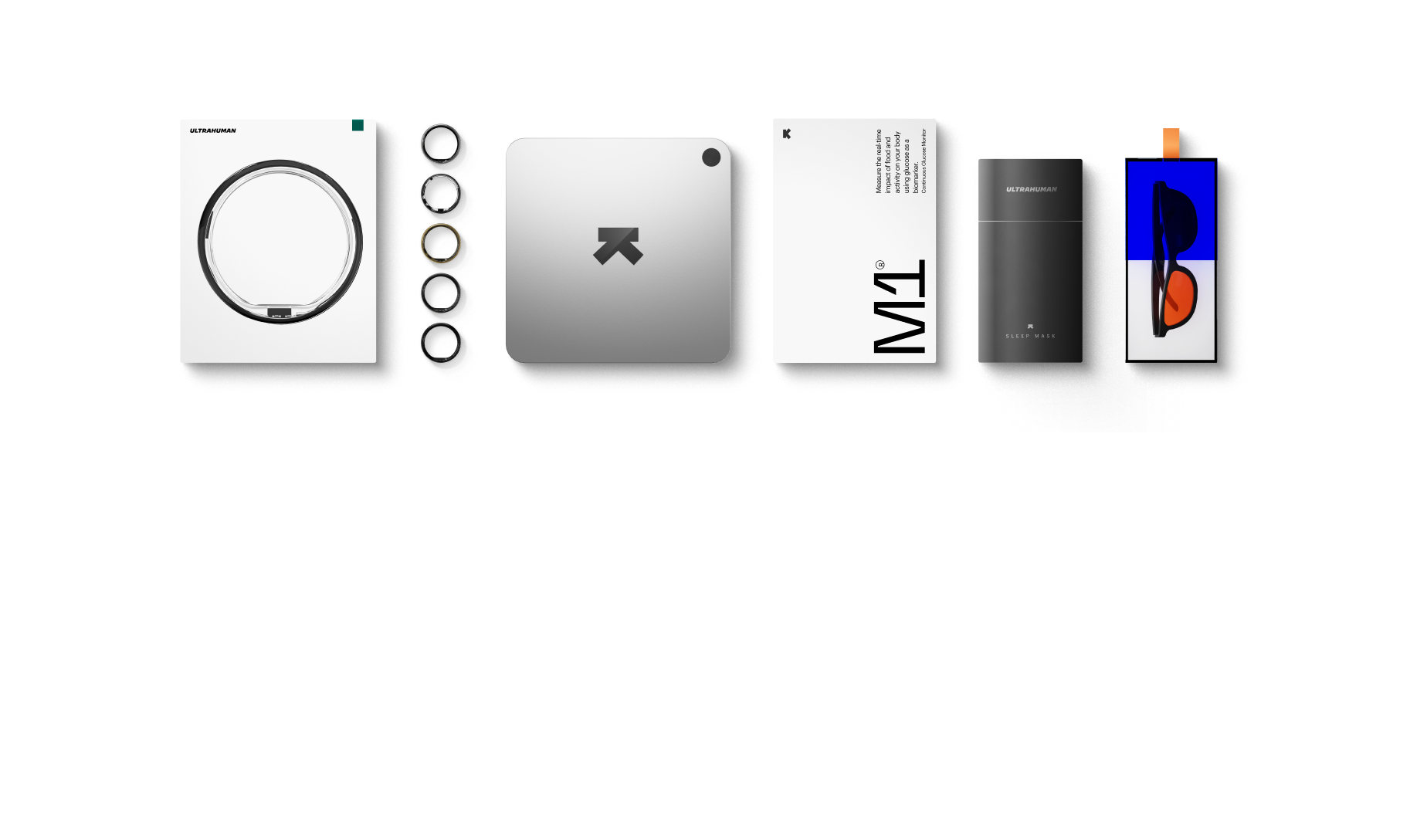
Ultrahuman M1 helps you measure the impact of food and activity on your body in real time through glucose as a biomarker.

Explore Ultrahuman M1

Find Glucose response for your favourite foods

Explore OGDb