

Coffee with Milk (1 Coffee Cup (6 Fl Oz))
 Breakfast
128 mg/dL
avg. peak value
Usually causes a medium spike
Avg. Food Score on Ultrahuman App
Ultrahuman Users got a STABLE response
How to consume Coffee With Milk without glucose spikes
Choose Low-Fat or Plant-Based Milk Alternatives
Opt for almond, soy, or oat milk instead of cow's milk, as these alternatives often have a lesser impact on blood sugar levels.
Add Healthy Fats
Incorporate a small amount of unsweetened nut butter or coconut oil to your coffee. This can help slow down the absorption of sugars.
Use Natural Sweeteners
If you sweeten your coffee, try using stevia or monk fruit instead of sugar or artificial sweeteners.
Incorporate Fiber-Rich Foods
Pair your coffee with a small serving of nuts or seeds, such as almonds or chia seeds, which can help stabilize blood sugar levels.
Monitor Portion Sizes
Be mindful of how much milk and any additional sweeteners you use, as larger quantities can contribute to a spike.
Drink Coffee After a Meal
Consuming coffee with milk after a balanced meal, particularly one containing protein and fiber, may help moderate its impact on your blood sugar.
Stay Hydrated
Ensure you're drinking enough water throughout the day, as proper hydration can support better blood sugar regulation.
Try Cinnamon
Add a sprinkle of cinnamon to your coffee. It may help improve insulin sensitivity and reduce blood sugar spikes.
Avoid Sugary Additions
Steer clear of flavored syrups or creamers that are high in sugar, opting for natural flavors instead.
Regular Monitoring
Keep track of your blood sugar levels before and after consuming coffee with milk to better understand your body's response and adjust your habits accordingly.
Discover
metabolic
health with M1
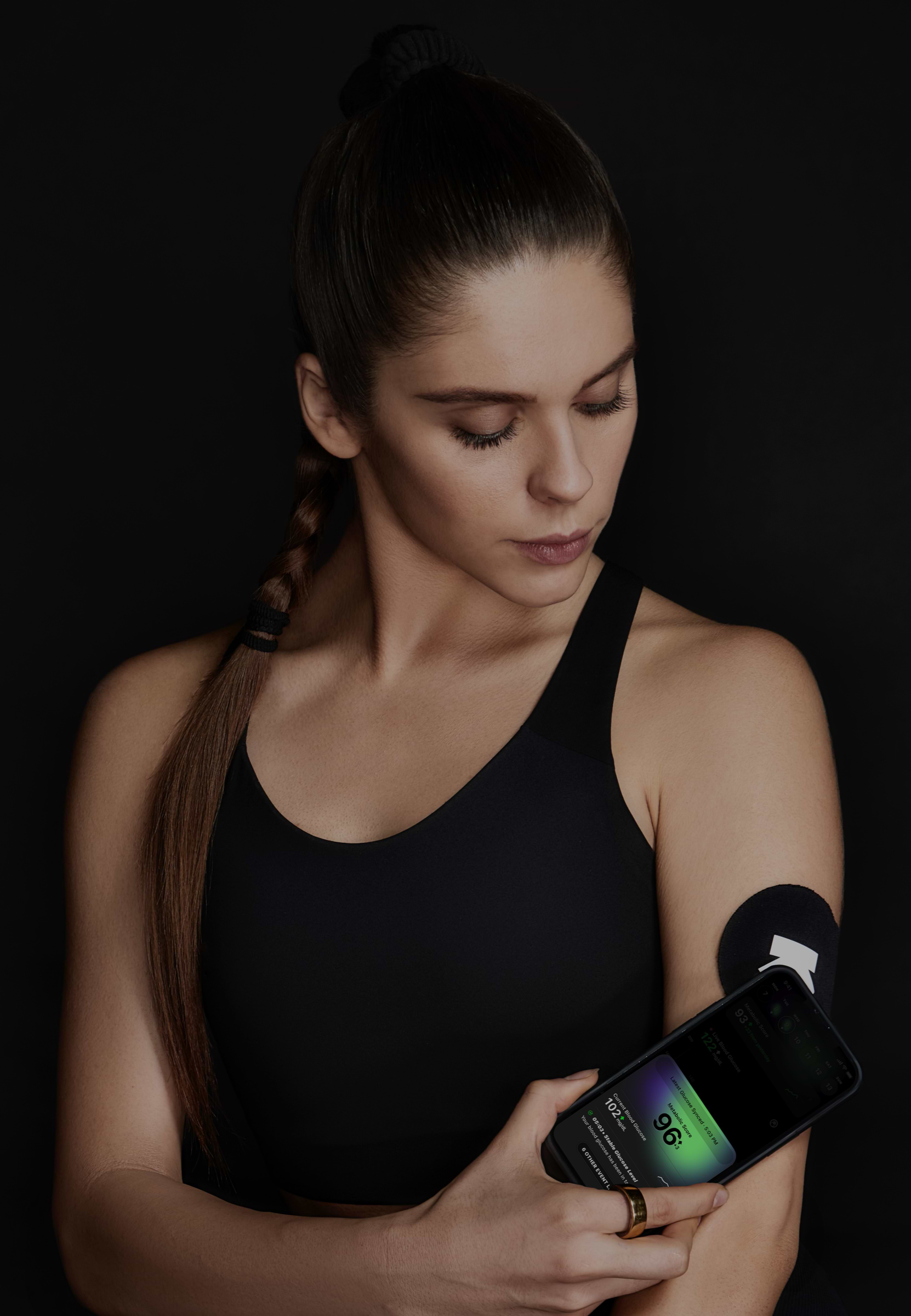
Ultrahuman M1 helps you measure the impact of food and activity on your body in real time through glucose as a biomarker.
Explore Ultrahuman M1Find Glucose response for your favourite foods
Explore OGDbYour cart is empty
Looks like you haven't added anything yet. Explore our products to get started.