

Introducing Pulsomics. Contribute to science. Learn MoreIntroducing Pulsomics. Contribute to science.
M2 Live is here. Continuous Glucose Tracking, no Rx
Introducing Pulsomics. Contribute to science. Learn MoreIntroducing Pulsomics. Contribute to science.
Ultrahuman Ring
Choose the ring built for you.


Performance Lab
Train, test and recover at our Bengaluru facility.



Science & Research

Dennree - Haferflocken Großblatt ( Old Fashioned Oats) (1 grams), Whey (Ultimate Nutrition) (1 Serving), Govinda - Flohsamenschalen (1 grams), Collagen (GNC) (1 Serving) and Skyr (Danone) (1 Serving)
 Breakfast
99 mg/dL
avg. peak value
Usually causes a small spike
Avg. Food Score on Ultrahuman App
63%
Ultrahuman Users got a STABLE response
Other related foods
- collagen
- collagen peptides
- Coffee with Milk
- Whey Protein
- English Bulletproof Coffee
- Instant Coffee
- coffee brewed from grounds collagen peptides advanced
- beef broth bouillon or consomme matcha latte collagen niadanko w domu awokado 2 tka 3 plastry szynki pavo parmezan ketchup i majo
- collagen dennree haferflocken gro blatt old fashioned oats govinda flohsamenschalen skyr whey
- benefiber fiber supplement powder form collagen protein powdered unflavored high brew coffee cold brew coffee oat milk barista style unsweetened vega sport protein powder chocolate 1 scoop
How to consume collagen, dennree - haferflocken großblatt ( old fashioned oats), govinda - flohsamenschalen, skyr, whey without glucose spikes

Discover
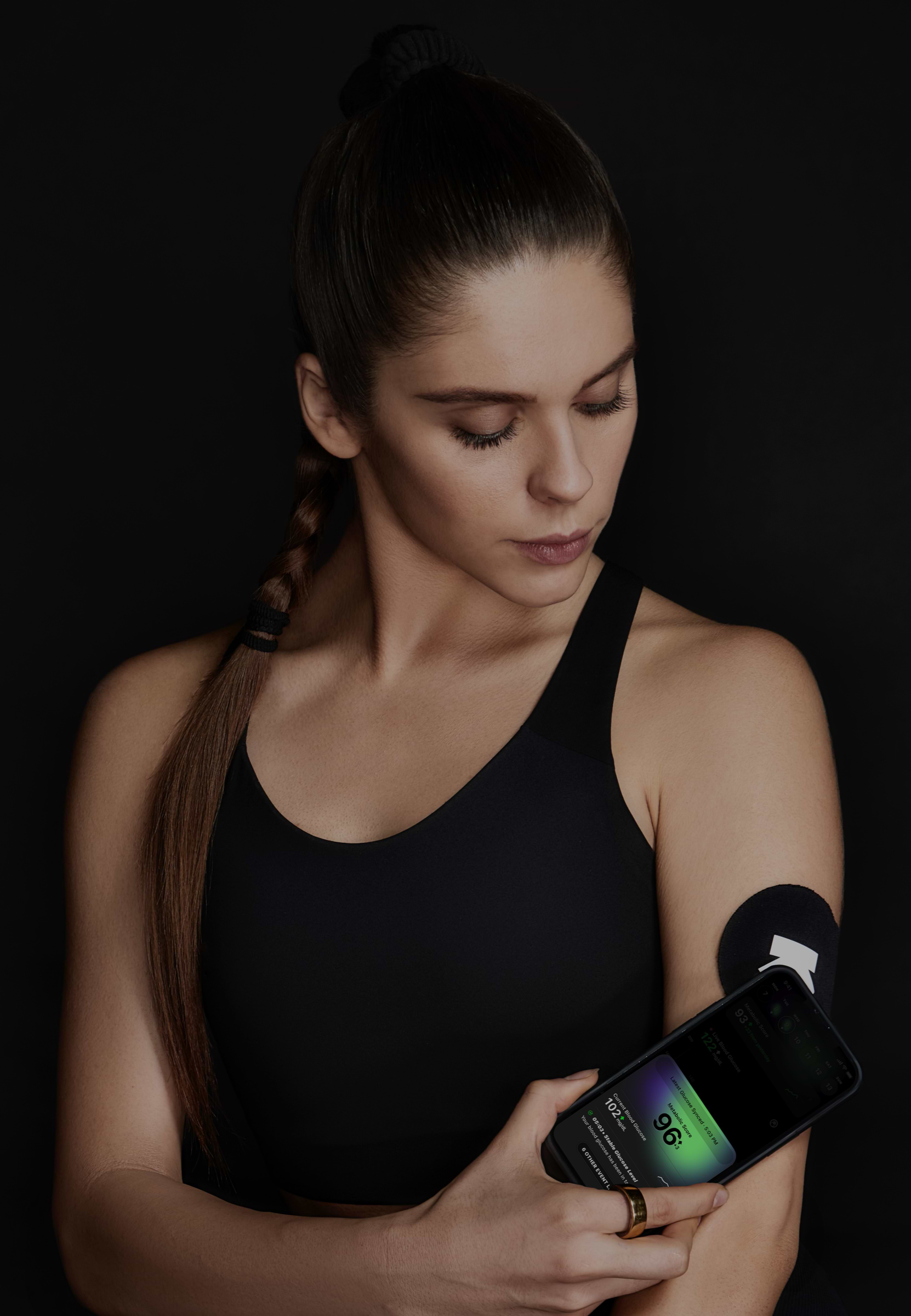
metabolic
health with M1
Ultrahuman M1 helps you measure the impact of food and activity on your body in real time through glucose as a biomarker.
Explore Ultrahuman M1Find Glucose response for your favourite foods
Explore OGDbYour cart is empty
Looks like you haven't added anything yet. Explore our products to get started.