

Diet Chivda (Garden) (1 Serving)
 Afternoon Snack
148 mg/dL
avg. peak value
Usually causes a medium spike
Avg. Food Score on Ultrahuman App
Ultrahuman Users got an UNSTABLE response
Other related foods
- diet coke
- diet soda
- diet coca cola
- noodles with vegetables in tomato based sauce diet frozen meal
- lasagna with cheese and sauce diet frozen meal
- diet chivda
- diet pepsi
- teriyaki chicken with rice and vegetable diet frozen meal
- mcdonalds quarter pounder with cheese meal large fries diet drink 1 quarter pounder large fries large diet drink
- diet coca cola can
How to consume Diet Chivda without glucose spikes
Portion Control
Consume smaller portions of Diet Chivda to minimize the impact on your glucose levels.
Pair with Protein
Include a source of protein like a small handful of nuts or a boiled egg. This can help slow down the absorption of carbohydrates.
Add Fiber
Incorporate a side of fibrous vegetables such as carrots or cucumber sticks. Fiber can help in moderating blood sugar spikes.
Stay Hydrated
Drink plenty of water throughout the day, as staying hydrated can help your body manage glucose levels more effectively.
Include Healthy Fats
Add a small portion of healthy fats, such as a teaspoon of olive oil or a few slices of avocado, to your meal to help stabilize blood sugar levels.
Exercise Regularly
Engage in regular physical activity after consuming meals, which can aid in better glucose management.
Eat Slowly
Take your time to chew and eat your food slowly, which can help with better digestion and absorption, reducing spikes.
Monitor Timing
Try to consume your Diet Chivda earlier in the day rather than late at night to give your body more time to process it.
Combine with Legumes
Add a small serving of legumes like chickpeas or lentils to your meal, as they are known to have a stabilizing effect on blood sugar.
Monitor Regularly
Keep track of your blood glucose levels before and after meals to better understand how your body reacts and make necessary adjustments.
Discover
metabolic
health with M1
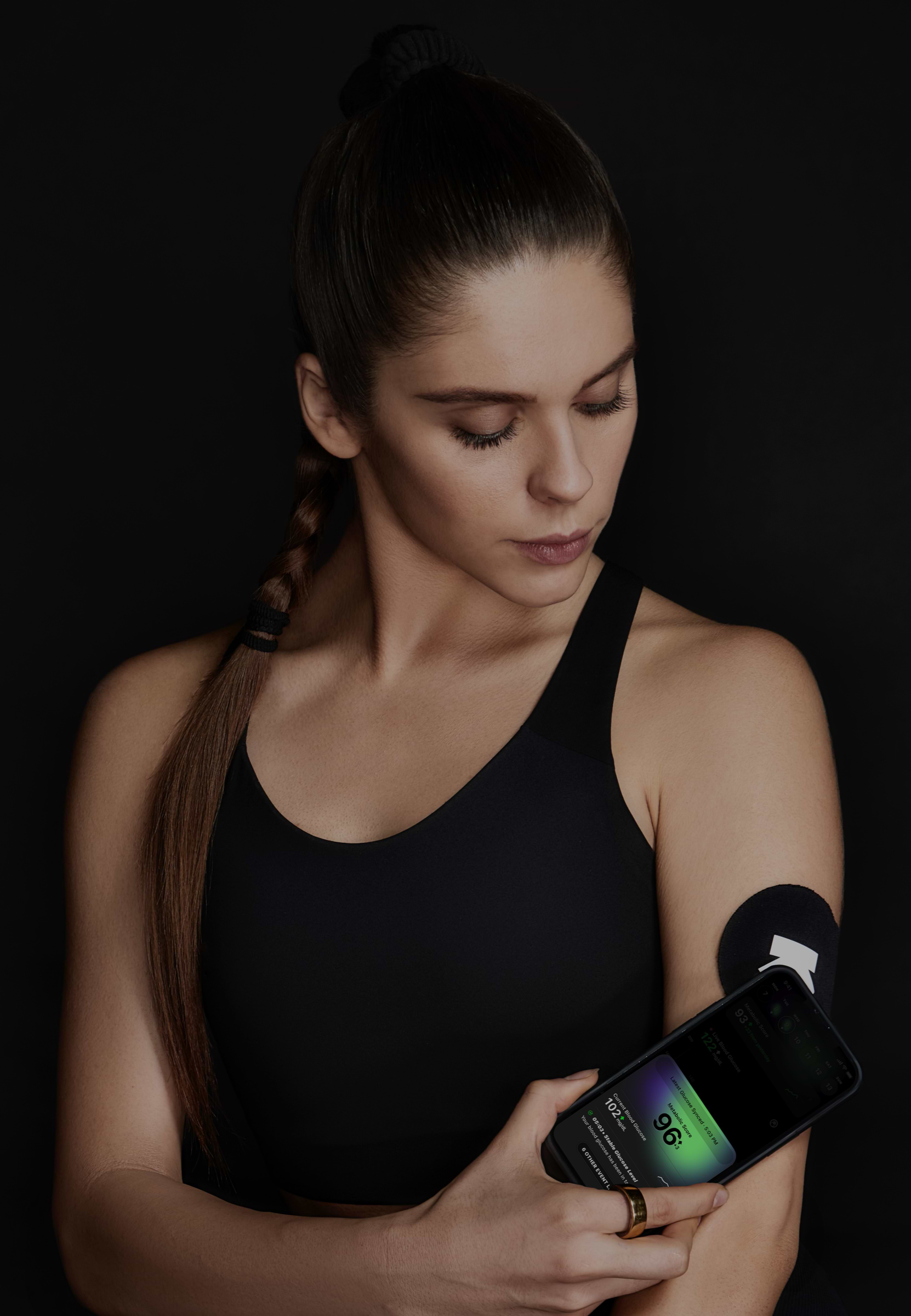
Ultrahuman M1 helps you measure the impact of food and activity on your body in real time through glucose as a biomarker.
Explore Ultrahuman M1Find Glucose response for your favourite foods
Explore OGDbYour cart is empty
Looks like you haven't added anything yet. Explore our products to get started.