
Loading...

Dinner (1 piece)

food-timeDinner

146 mg/dL

avg. peak value

Usually causes a medium spike

4

Avg. Food Score on Ultrahuman App

64%

Ultrahuman Users got an UNSTABLE response

How to consume Dinner without glucose spikes

Choose Whole Grains

Opt for whole grain versions of rice, pasta, or bread. These typically have a slower impact on blood sugar levels.

Focus on Fiber

Include plenty of fiber-rich vegetables such as broccoli, brussels sprouts, and carrots in your dinner. Fiber can help slow down the absorption of glucose.

Incorporate Healthy Proteins

Include lean proteins like chicken breast, turkey, tofu, or lentils. Proteins can help moderate the rise in blood sugar.

Add Healthy Fats

Incorporate sources of healthy fats such as avocados, nuts, or olive oil. These can help reduce the overall spike by slowing digestion.

Portion Control

Be mindful of portion sizes, especially with starchy foods. Managing portion sizes can help control the amount of glucose entering the bloodstream.

Stay Hydrated

Drink plenty of water throughout the meal. This can aid digestion and help regulate blood sugar levels.

Pre-Dinner Activity

Engage in light physical activity, such as a walk, before dinner. This can improve insulin sensitivity and help mitigate spikes.

Mindful Eating

Take your time to chew food thoroughly and eat slowly. This can improve digestion and reduce the likelihood of spikes.

Include Vinegar

Consider adding a splash of vinegar to salads or dishes, as it can help improve insulin sensitivity and lower blood sugar levels.

Pair with Non-Starchy Vegetables

Balance your meal with non-starchy vegetables like spinach, peppers, and zucchini to add bulk without boosting glucose levels.

healthspan-mbl

Discover
metabolic
health with M1

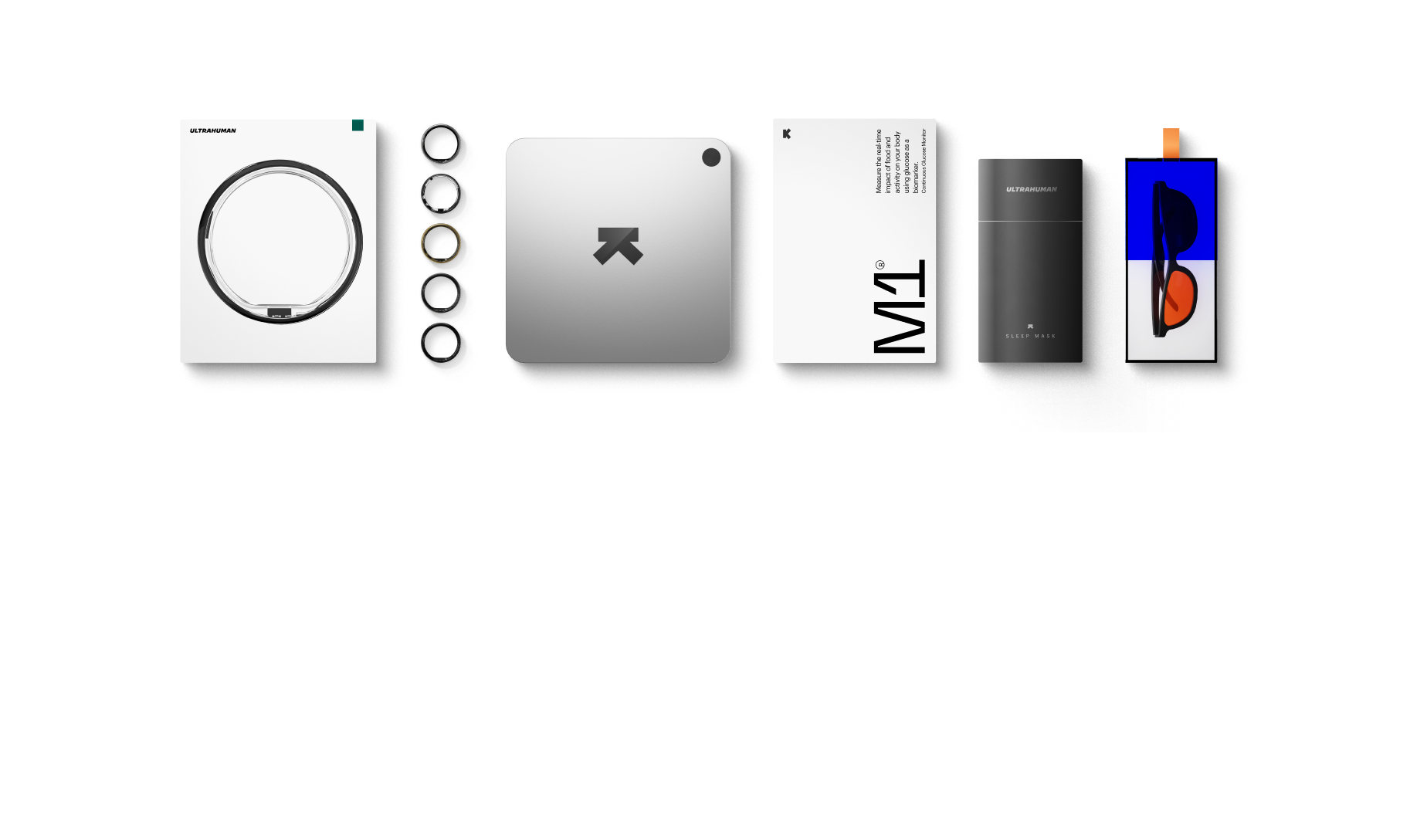
Ultrahuman M1 helps you measure the impact of food and activity on your body in real time through glucose as a biomarker.

Explore Ultrahuman M1

Find Glucose response for your favourite foods

Explore OGDb