


Papaya (1 Medium (5 1/8 Inches Long X 3 Inches Dia)) and Guava (1 Guava, Common)
 Lunch
Lunch
150 mg/dL
avg. peak value
Usually causes a large spike
Avg. Food Score on Ultrahuman App
Ultrahuman Users got a STABLE response
How to consume Guava, Papaya without glucose spikes
Pair with Protein
Incorporate a source of protein such as Greek yogurt, cottage cheese, or a handful of nuts (like almonds or walnuts) when consuming guava or papaya. This can help slow down the absorption of sugar into the bloodstream.
Add Healthy Fats
Include healthy fats like avocado, chia seeds, or flaxseeds when enjoying these fruits. This can help stabilize blood sugar levels.
Consume with Fiber-Rich Foods
Pair the fruits with high-fiber options such as oats, quinoa, or a salad with leafy greens. Fiber can help moderate the impact of sugars on your system.
Stay Hydrated
Drink plenty of water throughout the day. Staying well-hydrated can help your body process sugars more efficiently.
Monitor Portions
Pay attention to portion sizes. Consuming smaller amounts of guava and papaya can help keep blood sugar levels in check.
Exercise Regularly
Engage in regular physical activity, such as walking or light exercise, after meals to help improve insulin sensitivity and lower blood sugar spikes.
Eat Slowly and Mindfully
Take your time and savor your food. Eating slowly can help with digestion and prevent overeating, which can contribute to spikes in blood sugar.
Incorporate Cinnamon
Add a dash of cinnamon to your fruit servings. Some studies suggest that cinnamon might help improve blood sugar control.
Try Apple Cider Vinegar
Consider having a small amount of apple cider vinegar diluted in water before consuming the fruits. It may help improve insulin function.
Plan Balanced Meals
Ensure that your overall meal is balanced with proteins, fats, and carbohydrates from various sources. This balance can help mitigate large spikes in blood sugar levels.
Discover
metabolic
health with M1
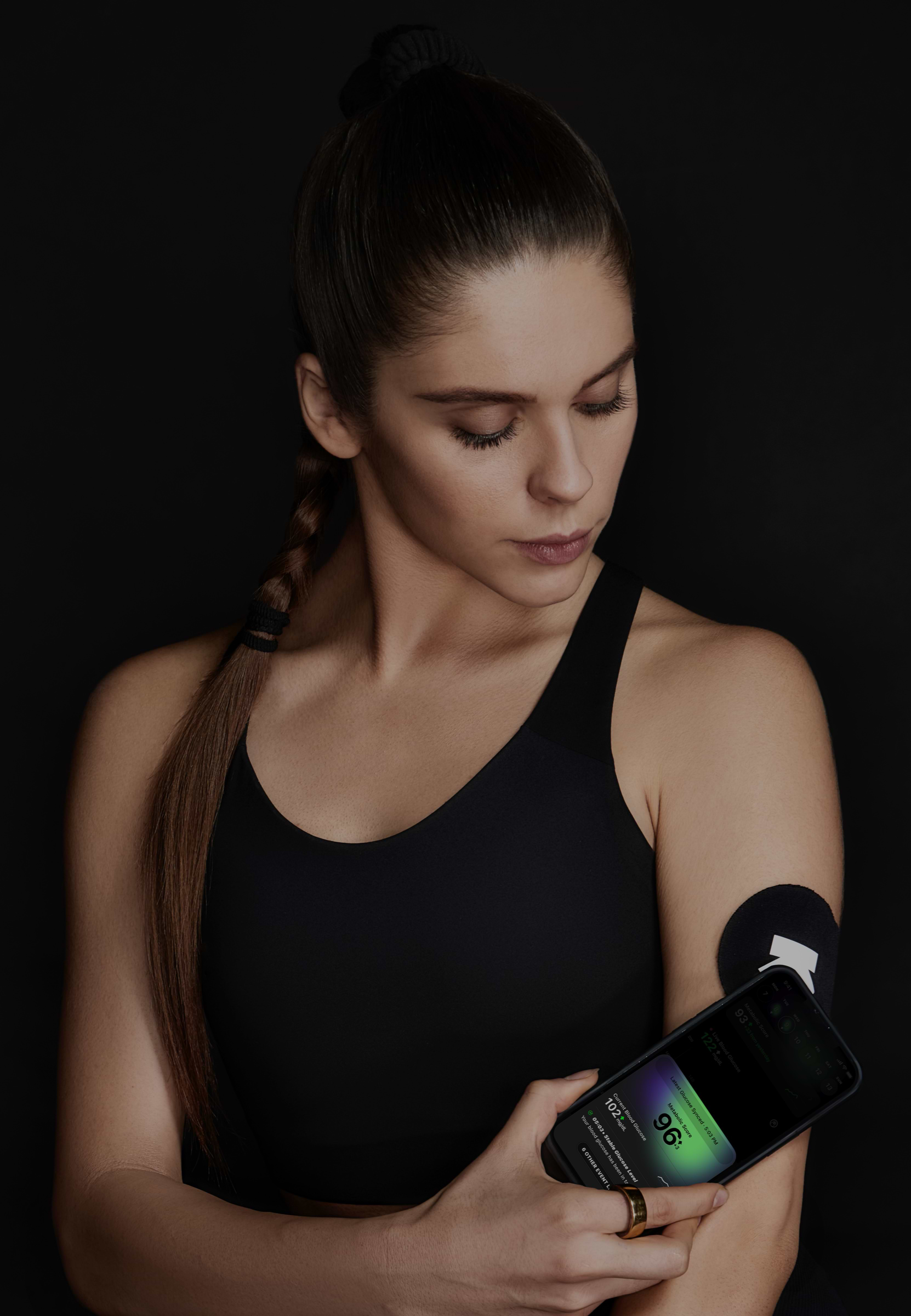
Ultrahuman M1 helps you measure the impact of food and activity on your body in real time through glucose as a biomarker.
Explore Ultrahuman M1Find Glucose response for your favourite foods
Explore OGDbYour cart is empty
Browse through our products and find something for you.