
Loading...

Lunch (1 piece) and Tea (1 piece)

food-timeLunch

162 mg/dL

avg. peak value

Usually causes a large spike

2

Avg. Food Score on Ultrahuman App

80%

Ultrahuman Users got an UNSTABLE response

How to consume Lunch | Tea without glucose spikes

Choose Whole Grains

Opt for whole grain breads, brown rice, or quinoa instead of white bread or white rice. These options tend to have a slower impact on blood sugar levels.

Incorporate Healthy Fats

Add healthy fats such as avocado, nuts, or seeds to your meals. These can help slow down the absorption of glucose into your bloodstream.

Add Lean Proteins

Include lean proteins like chicken, fish, tofu, or legumes. Proteins can help stabilize blood sugar.

Increase Fiber Intake

Eat plenty of vegetables, particularly non-starchy ones like leafy greens, broccoli, and bell peppers. Fiber helps to slow down digestion and prevent rapid spikes.

Portion Control

Be mindful of portion sizes, especially with foods that are higher in carbohydrates.

Hydrate Wisely

Drink water or herbal teas instead of sugary drinks, which can cause rapid increases in blood glucose.

Include Vinegar

Consider adding a splash of vinegar to salads or meals. Vinegar has been shown to help improve insulin sensitivity.

Timing Matters

Eat your carbohydrates after you've consumed proteins and vegetables, which can help moderate blood sugar levels.

Snacking

If you feel the need for a snack, opt for an apple with a handful of almonds or carrot sticks with hummus.

Mindful Eating

Eat slowly and savor your food, which can help you recognize fullness and prevent overeating.

Opt for Tea Add-Ons

If having tea, avoid adding sugar and consider using natural sweeteners or enjoying it plain to prevent added sugar intake.

Regular Physical Activity

Incorporate some form of exercise, like a brisk walk, after meals to help your body manage blood sugar levels effectively.

healthspan-mbl

Discover
metabolic
health with M1

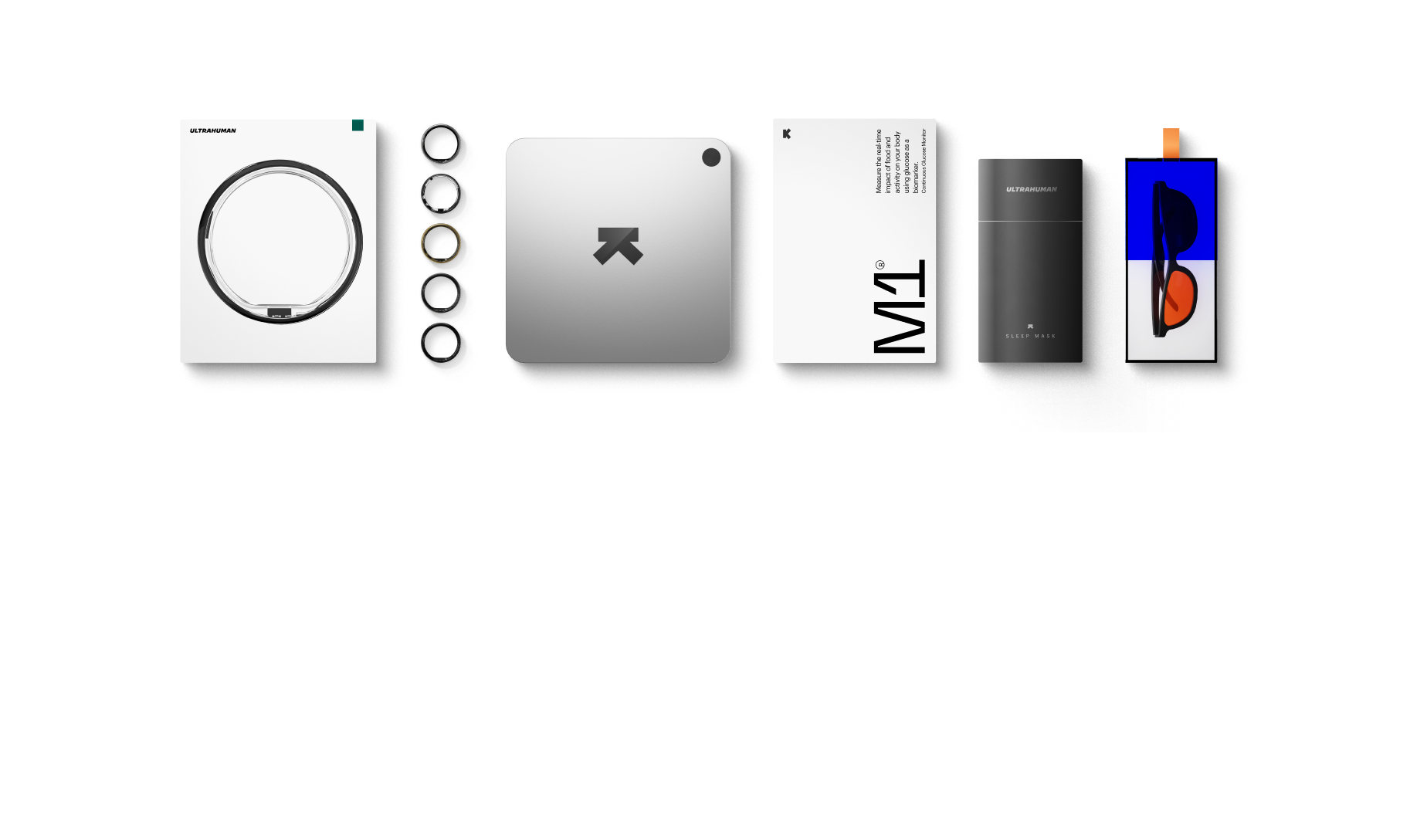
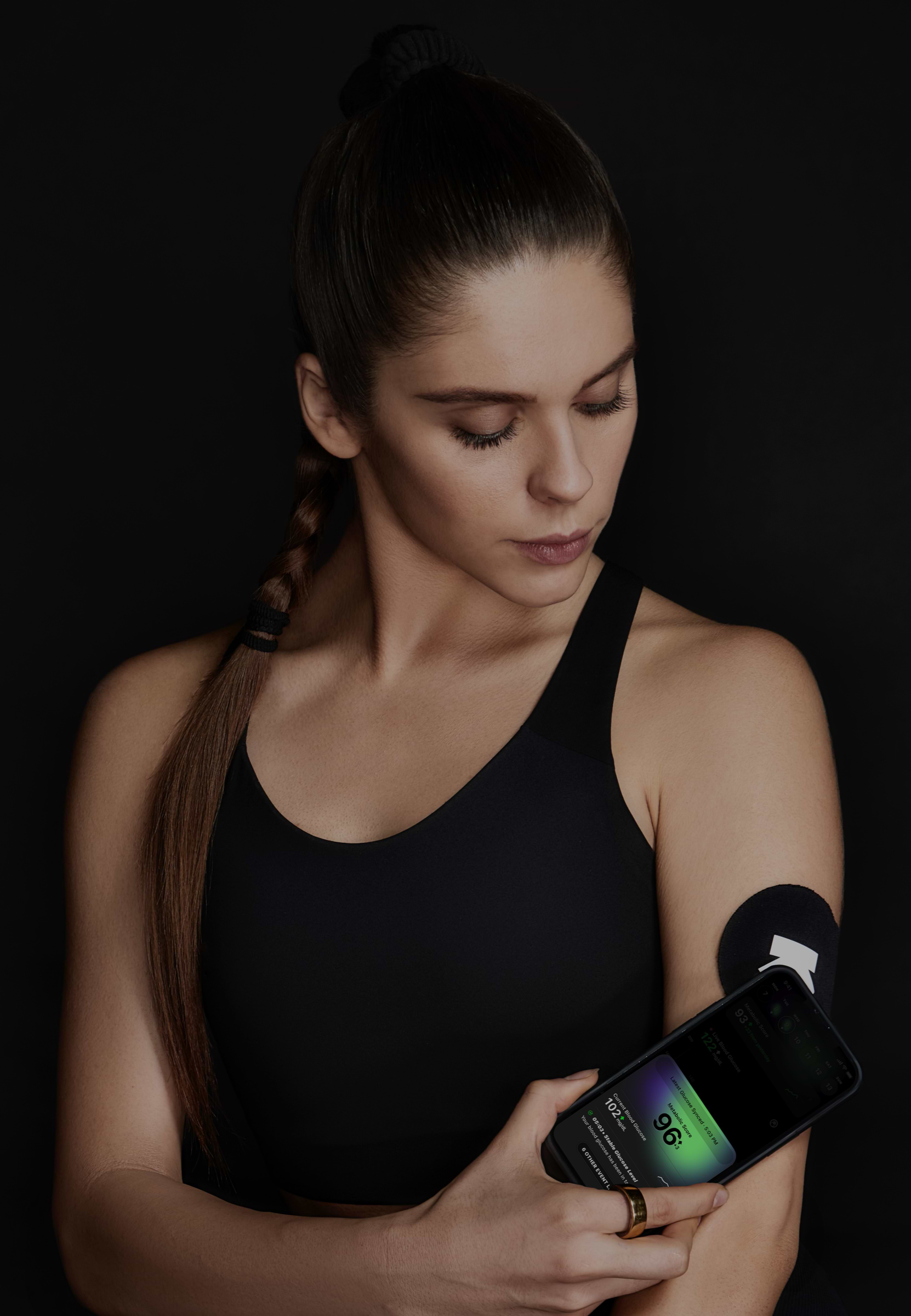
Ultrahuman M1 helps you measure the impact of food and activity on your body in real time through glucose as a biomarker.

Explore Ultrahuman M1

Find Glucose response for your favourite foods

Explore OGDb