




Mixed Seeds (100 G)
 Lunch
Lunch
116 mg/dL
avg. peak value
Usually causes a medium spike
Avg. Food Score on Ultrahuman App
68%
Ultrahuman Users got a STABLE response
Other related foods
- mixed nuts
- mixed salad greens
- mixed vegetable and fruit juice with added nutrients
- grilled chicken mixed salad greens
- cooked mixed vegetables corn lima beans peas green beans and carrots
- mixed vegetable parantha
- mixed vegetable juice vegetables other than tomato
- mixed seeds
- chicken breast mixed salad greens
- mixed salad greens salmon
How to consume Mixed Seeds without glucose spikes
Portion Control
Monitor the amount of mixed seeds you consume to ensure they are part of a balanced diet rather than the main component.
Pair with Protein
Include a source of protein such as Greek yogurt, cottage cheese, or boiled eggs. Protein helps slow down the digestion process.
Add Healthy Fats
Incorporate healthy fats like avocado or a small amount of olive oil. These fats can help moderate blood sugar levels.
Fiber-Rich Foods
Combine mixed seeds with fiber-rich vegetables such as leafy greens, broccoli, or bell peppers to slow down the absorption of sugar.
Stay Hydrated
Drink plenty of water throughout the day, especially around meal times, to aid digestion and glucose regulation.
Include Vinegar
Add a splash of vinegar, such as apple cider vinegar, to salads containing mixed seeds. Vinegar can help with blood sugar control.
Incorporate Cinnamon
Sprinkle some cinnamon on foods like oatmeal or yogurt when consuming mixed seeds, as cinnamon may assist in managing glucose levels.
Regular Physical Activity
Engage in light physical activity, like walking, after meals to help lower blood sugar levels naturally.
Mindful Eating
Eat slowly and mindfully, ensuring you chew thoroughly to aid digestion and absorption of nutrients.
Balanced Meals
Ensure your overall meal is balanced with a mix of carbohydrates, protein, and healthy fats to minimize the impact of any one component on blood sugar levels.

Discover
metabolic
health with M1
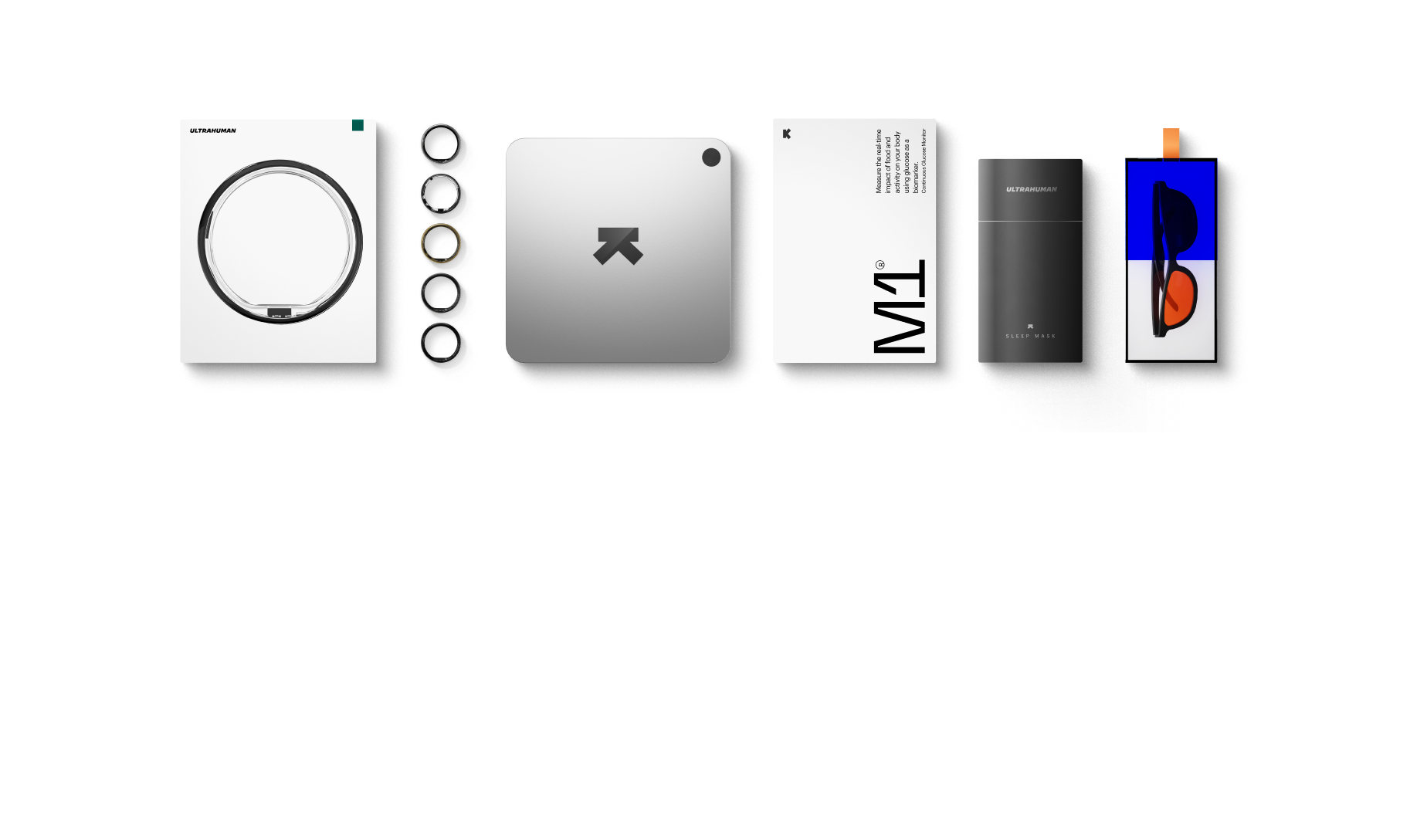
Ultrahuman M1 helps you measure the impact of food and activity on your body in real time through glucose as a biomarker.
Explore Ultrahuman M1Find Glucose response for your favourite foods
Explore OGDb