

Overnight oats (1 piece)
 Breakfast
131 mg/dL
avg. peak value
Usually causes a medium spike
Avg. Food Score on Ultrahuman App
Ultrahuman Users got an UNSTABLE response
Other related foods
How to consume Overnight Oats without glucose spikes
Portion Control
Reduce the serving size of your overnight oats to limit the amount of carbohydrates consumed in one sitting.
Add Protein
Incorporate a protein source such as Greek yogurt, cottage cheese, or protein powder to your oats. This can help slow down the digestion process and stabilize blood sugar levels.
Include Healthy Fats
Add nuts or seeds such as almonds, chia seeds, or flaxseeds. Healthy fats can slow carbohydrate absorption and reduce spikes in glucose levels.
Choose Low-Sugar Ingredients
Opt for unsweetened almond milk or coconut milk instead of sweetened dairy or non-dairy milks to prepare your overnight oats.
Incorporate Fiber-Rich Foods
Mix in fiber-rich fruits like berries or a small amount of apple slices. Fiber helps in slowing the digestion of carbohydrates.
Use Whole Grains
Prepare your oats using steel-cut or rolled oats instead of instant oats, as they have a slower digestion rate.
Add Cinnamon
Sprinkle cinnamon into your oats for its potential ability to improve insulin sensitivity and assist in blood sugar management.
Monitor Sweeteners
Avoid adding sugar, honey, or maple syrup. Instead, consider using a natural, low-calorie sweetener like stevia if sweetness is desired.
Experiment with Vinegar
Consider adding a splash of apple cider vinegar to your oats, as it may help increase insulin sensitivity.
Eat a Balanced Breakfast
Pair your overnight oats with additional protein or fat sources like a boiled egg or a slice of avocado to further manage glucose levels.
Discover
metabolic
health with M1
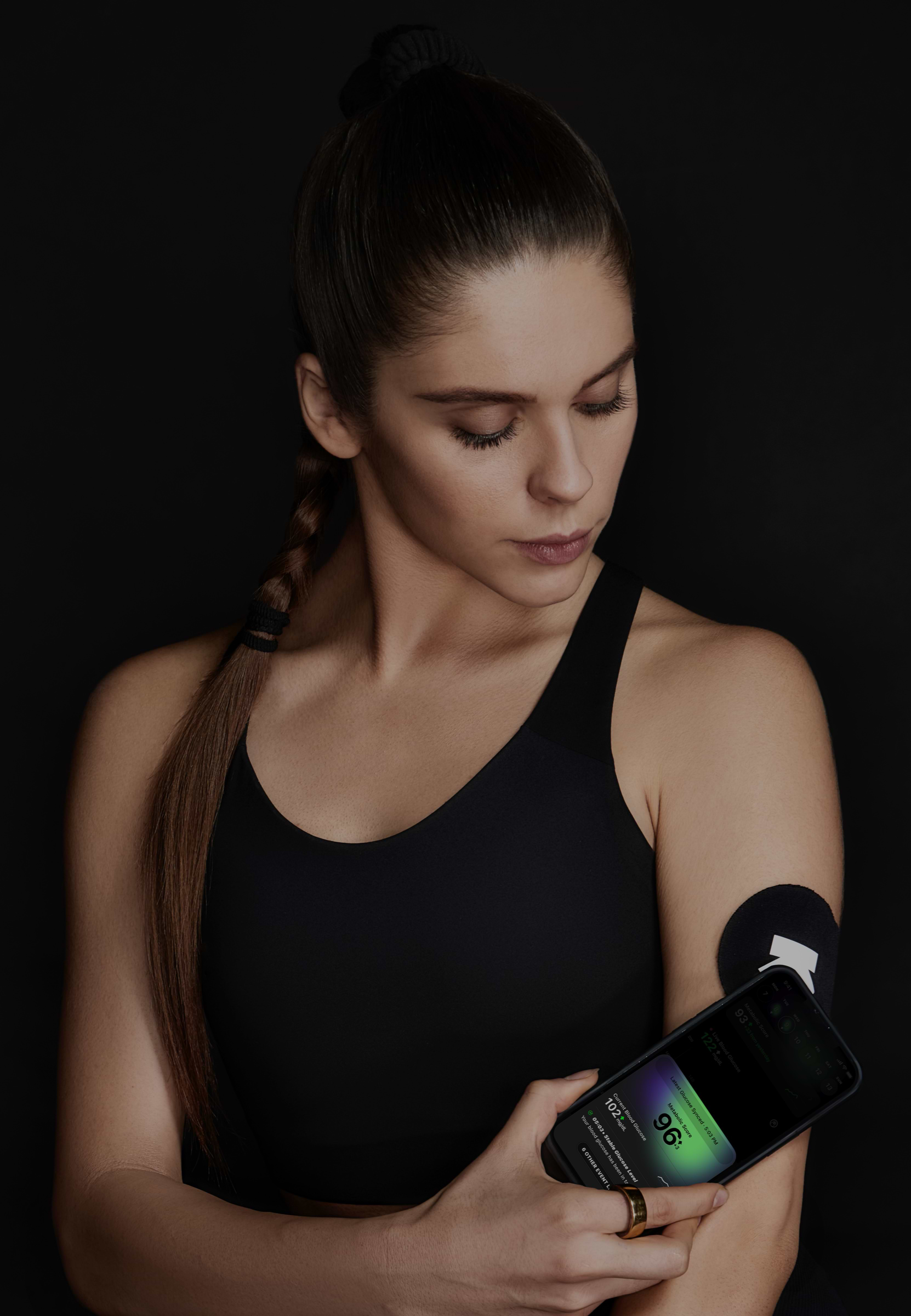
Ultrahuman M1 helps you measure the impact of food and activity on your body in real time through glucose as a biomarker.
Explore Ultrahuman M1Find Glucose response for your favourite foods
Explore OGDbYour cart is empty
Looks like you haven't added anything yet. Explore our products to get started.