

Regular Coffee (1 Mug (8 Fl Oz))
 Breakfast
110 mg/dL
avg. peak value
Usually has a stable response
Avg. Food Score on Ultrahuman App
Ultrahuman Users got a STABLE response
How to consume Regular Coffee without glucose spikes
Pair with Protein
Include a source of protein like eggs or a small serving of nuts when you drink your coffee. Protein can help slow down the absorption of carbohydrates.
Add Healthy Fats
Incorporate healthy fats such as avocado or a small amount of coconut oil in your coffee. This can help stabilize blood sugar levels.
Choose Complex Carbs
If you prefer having a snack with your coffee, opt for complex carbohydrates such as whole-grain toast or oatmeal, which are digested more slowly.
Limit Added Sugars
Reduce or eliminate any added sugars in your coffee. Consider using a natural sweetener like stevia if necessary.
Include Fiber-Rich Foods
Enjoy foods high in fiber, such as vegetables or a small serving of berries, alongside your coffee to help regulate blood sugar levels.
Stay Hydrated
Drink a glass of water before having your coffee to help your body manage the caffeine and any potential blood sugar fluctuations.
Opt for Smaller Portions
If you typically consume large quantities of coffee, try reducing the serving size to minimize its impact on your blood sugar.
Drink Decaf
Consider switching to decaffeinated coffee, as caffeine can contribute to blood sugar spikes in some individuals.
Monitor Timing
Avoid drinking coffee on an empty stomach. Having it with or after a meal can help balance your blood sugar levels more effectively.
Stay Active
Engage in light physical activity after consuming coffee, such as a short walk, to help your body utilize the glucose more efficiently.
Discover
metabolic
health with M1
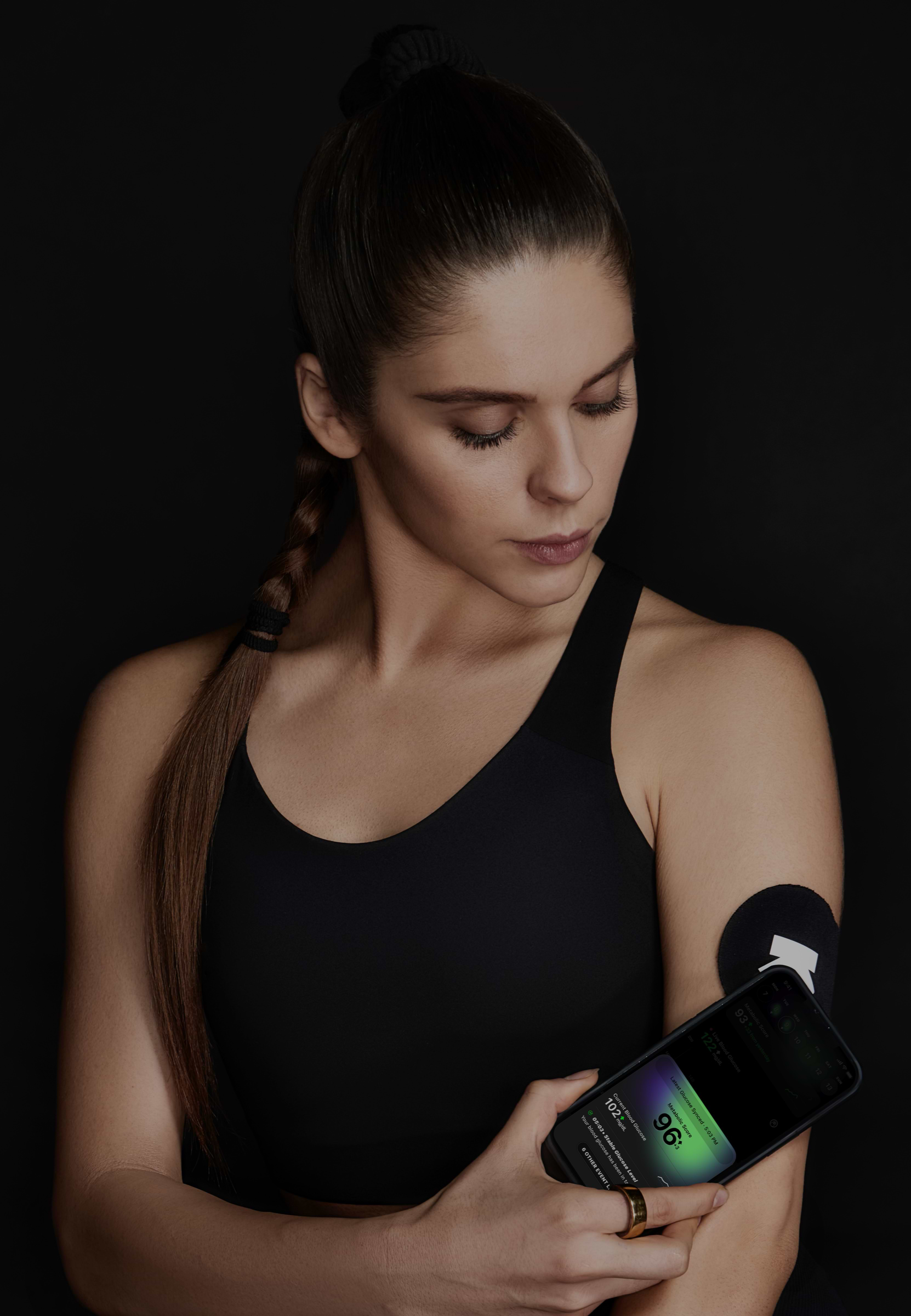
Ultrahuman M1 helps you measure the impact of food and activity on your body in real time through glucose as a biomarker.
Explore Ultrahuman M1Find Glucose response for your favourite foods
Explore OGDbYour cart is empty
Looks like you haven't added anything yet. Explore our products to get started.