


Roasted Broiled or Baked Chicken (100 G)
 Dinner
120 mg/dL
avg. peak value
Usually causes a medium spike
Avg. Food Score on Ultrahuman App
Ultrahuman Users got a STABLE response
How to consume roasted broiled or baked chicken without glucose spikes
Portion Control
Start by moderating the amount of chicken you consume in one sitting. Smaller portions can help manage glucose levels more effectively.
Incorporate Fiber-Rich Vegetables
Pair your chicken with non-starchy vegetables like broccoli, spinach, or kale. These can slow down glucose absorption and prevent spikes.
Add Healthy Fats
Include sources of healthy fats such as avocados, nuts, or olive oil. These can aid in stabilizing blood sugar levels.
Include Whole Grains
Opt for quinoa, barley, or bulgur as side dishes to complement your meal with chicken. Whole grains provide steady energy and help avoid spikes.
Stay Hydrated
Drink plenty of water before and during your meal. Adequate hydration can help in controlling glucose levels.
Eat Balanced Meals
Ensure your meal includes a balance of protein, fats, and carbohydrates. This balance can support more stable blood sugar levels.
Monitor Timing
Pay attention to when you consume your meal. Eating at regular intervals can help maintain consistent glucose levels throughout the day.
Exercise Regularly
Incorporate regular physical activity into your routine. A quick walk or light exercise after eating can help manage blood sugar spikes.
Mindful Eating
Eat slowly and mindfully, allowing your body to properly digest and metabolize food, which can lead to better glucose control.
Limit Additional Sugars
Avoid adding sugary sauces or marinades to your chicken, as these can contribute to increased blood sugar levels.
Discover
metabolic
health with M1
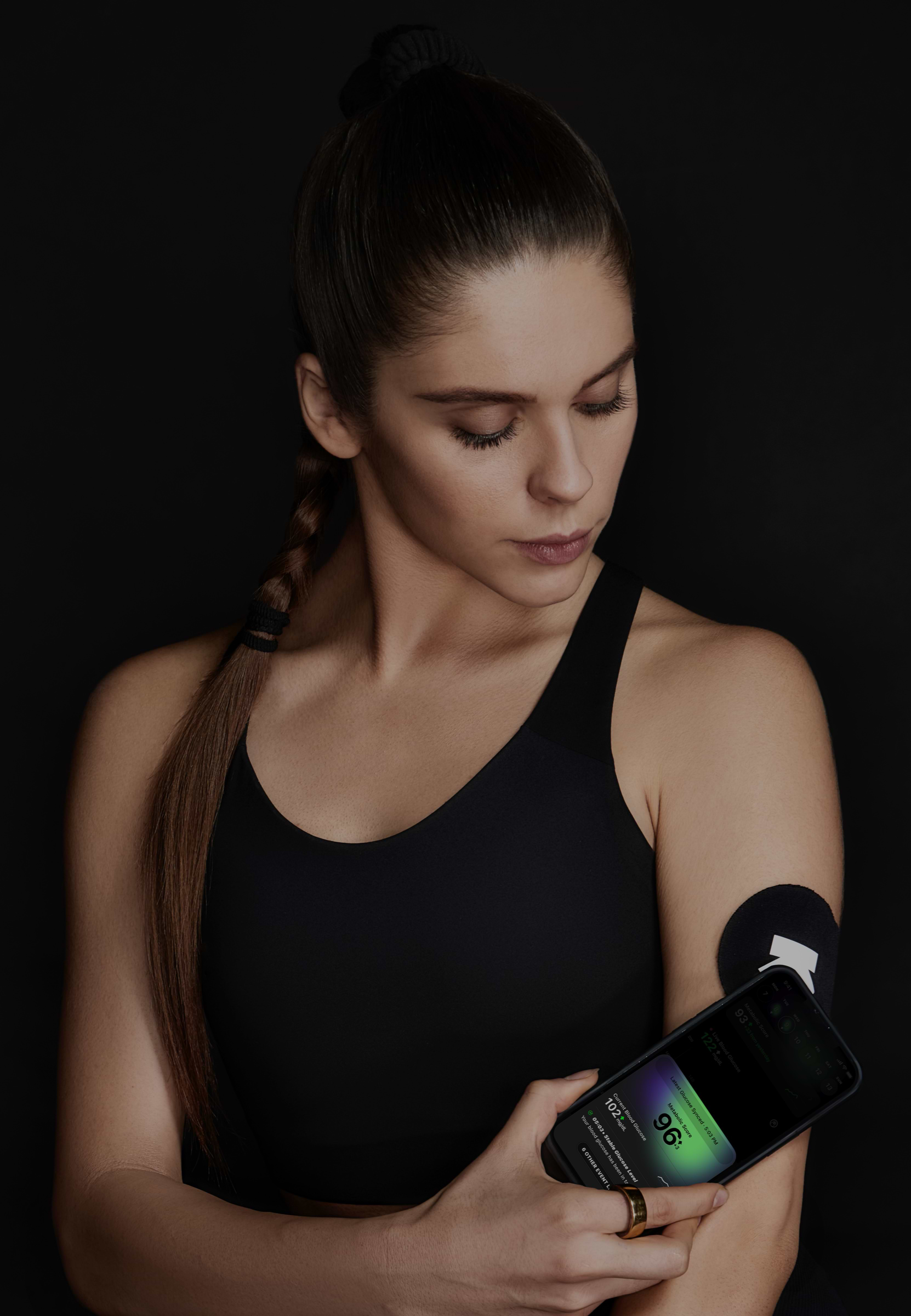
Ultrahuman M1 helps you measure the impact of food and activity on your body in real time through glucose as a biomarker.
Explore Ultrahuman M1Find Glucose response for your favourite foods
Explore OGDbYour cart is empty
Browse through our products and find something for you.