


South indian meal (1 piece)
 Lunch
Lunch
153 mg/dL
avg. peak value
Usually causes a large spike
Avg. Food Score on Ultrahuman App
Ultrahuman Users got an UNSTABLE response
Other related foods
- south indian food thali
- south indian meal
- south indian meals
- south indian thali
- homemade idli south indian rice cake idli
- homemade idly south indian
- tamarind rice puliyotharai or puli saatam south indian homemade 1 cup 250 gram
- vasudev adiga s south indian meal
- Madras Coffee - South Indian Filter Coffee Without Sugar, 200 ml
- south indian tamil appam
How to consume South indian meal without glucose spikes
Portion Control
Start by reducing the portion size of high-carb components like rice and idli. This will help manage the overall carbohydrate intake and prevent a large spike.
Increase Fiber Content
Include more fiber-rich vegetables such as spinach, okra, or broccoli in your meal. These can be cooked as side dishes or added to curries.
Incorporate Protein
Add protein sources like lentils (dal) or chickpeas to your meal. Protein slows down the absorption of carbohydrates, helping to keep blood sugar levels stable.
Use Whole Grains
Opt for whole grain options like brown rice instead of white rice, or use whole wheat flour for dosa and chapati.
Healthy Fats
Include healthy fats, such as avocado or a small amount of nuts like almonds or walnuts, as they can help slow the digestion process.
Add Fermented Foods
Incorporate fermented foods like yogurt or buttermilk, which can aid digestion and have a moderating effect on blood sugar levels.
Stay Hydrated
Drink plenty of water before your meal. Adequate hydration can help in better digestion and may moderate blood sugar spikes.
Balanced Meal
Aim for a balanced plate that contains a mix of proteins, fats, and vegetables along with controlled portions of carbohydrates.
Mindful Eating
Eat slowly and mindfully. Taking your time can help your body better manage the digestion process and control glucose levels.
Physical Activity
Engage in light physical activity, such as a short walk, after your meal to help your body use up the glucose more effectively.
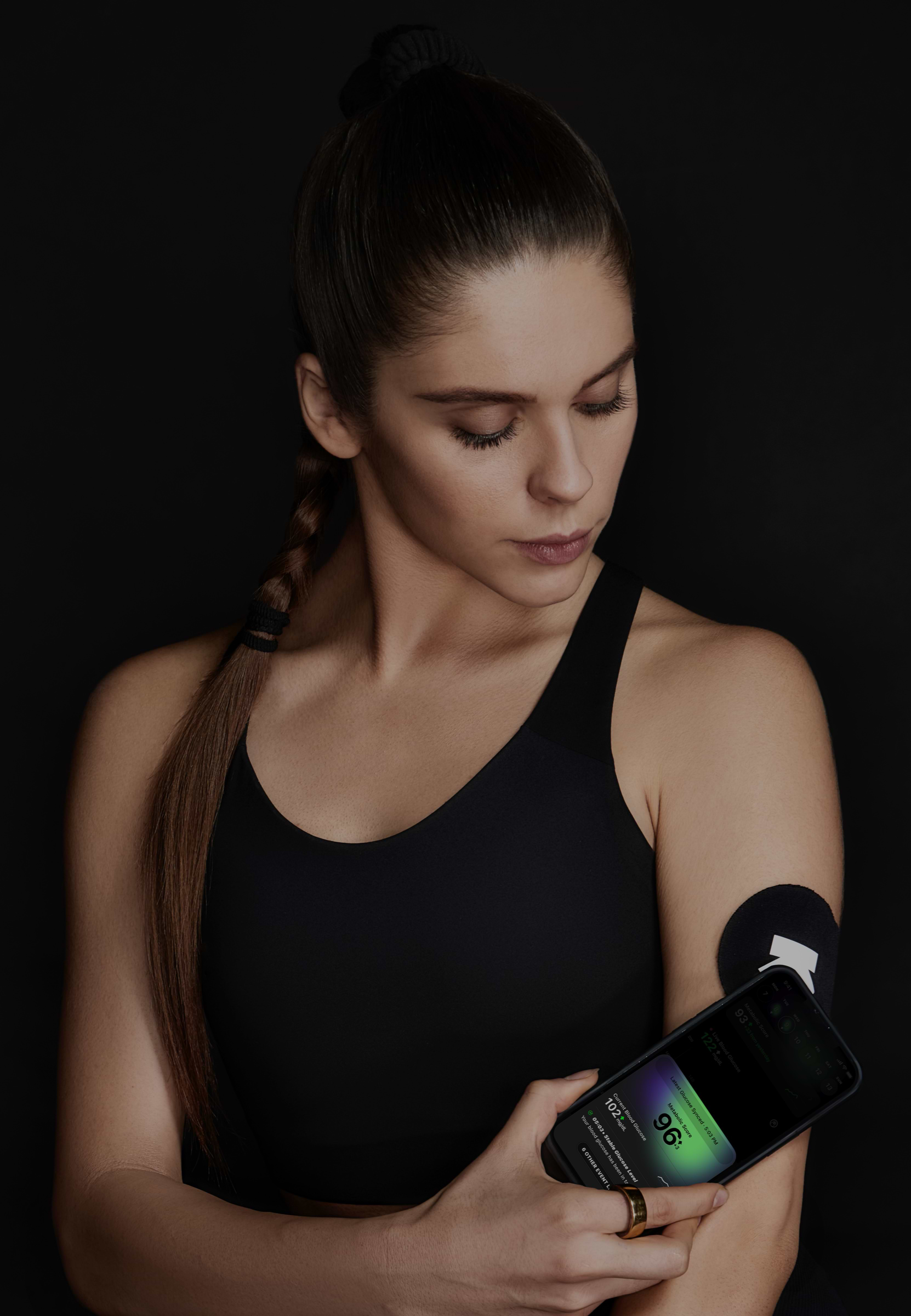
Discover
metabolic
health with M1
Ultrahuman M1 helps you measure the impact of food and activity on your body in real time through glucose as a biomarker.
Explore Ultrahuman M1Find Glucose response for your favourite foods
Explore OGDbYour cart is empty
Browse through our products and find something for you.