

Idli (1 Piece) and Chutney (1 Tablespoon)
 Breakfast
160 mg/dL
avg. peak value
Usually causes a large spike
Avg. Food Score on Ultrahuman App
Ultrahuman Users got an UNSTABLE response
How to consume Chutney, Idli without glucose spikes
Portion Control
Limit the amount of chutney and idli you consume in one sitting. Smaller portions will lead to a smaller glucose response.
Protein Addition
Include a source of protein with your meal, such as a boiled egg or a handful of nuts, to help slow down the absorption of glucose.
Fiber-Rich Vegetables
Add vegetables like spinach, bell peppers, or broccoli to your meal. The fiber content will help moderate blood sugar levels.
Vinegar or Lemon Juice
Use a splash of vinegar or lemon juice in your chutney or as a side dressing. These can help lower the blood sugar response.
Whole Grain Idli
Choose idlis made from whole grains or mixed grains like brown rice or millet, which are more slowly digested.
Hydration
Drink plenty of water before and during your meal to aid digestion and help regulate blood sugar levels.
Physical Activity
Engage in light physical activity, such as a short walk, after your meal to help manage blood sugar levels.
Mindful Eating
Eat slowly and mindfully, paying attention to your hunger and fullness cues to avoid overeating.
Herbal Teas
Consider having a cup of herbal tea, such as chamomile or cinnamon tea, after your meal to support digestion and glucose management.
Monitor Timing
Avoid eating idli and chutney as a late-night snack. Choose earlier meal times when your body is more efficient at processing carbohydrates.
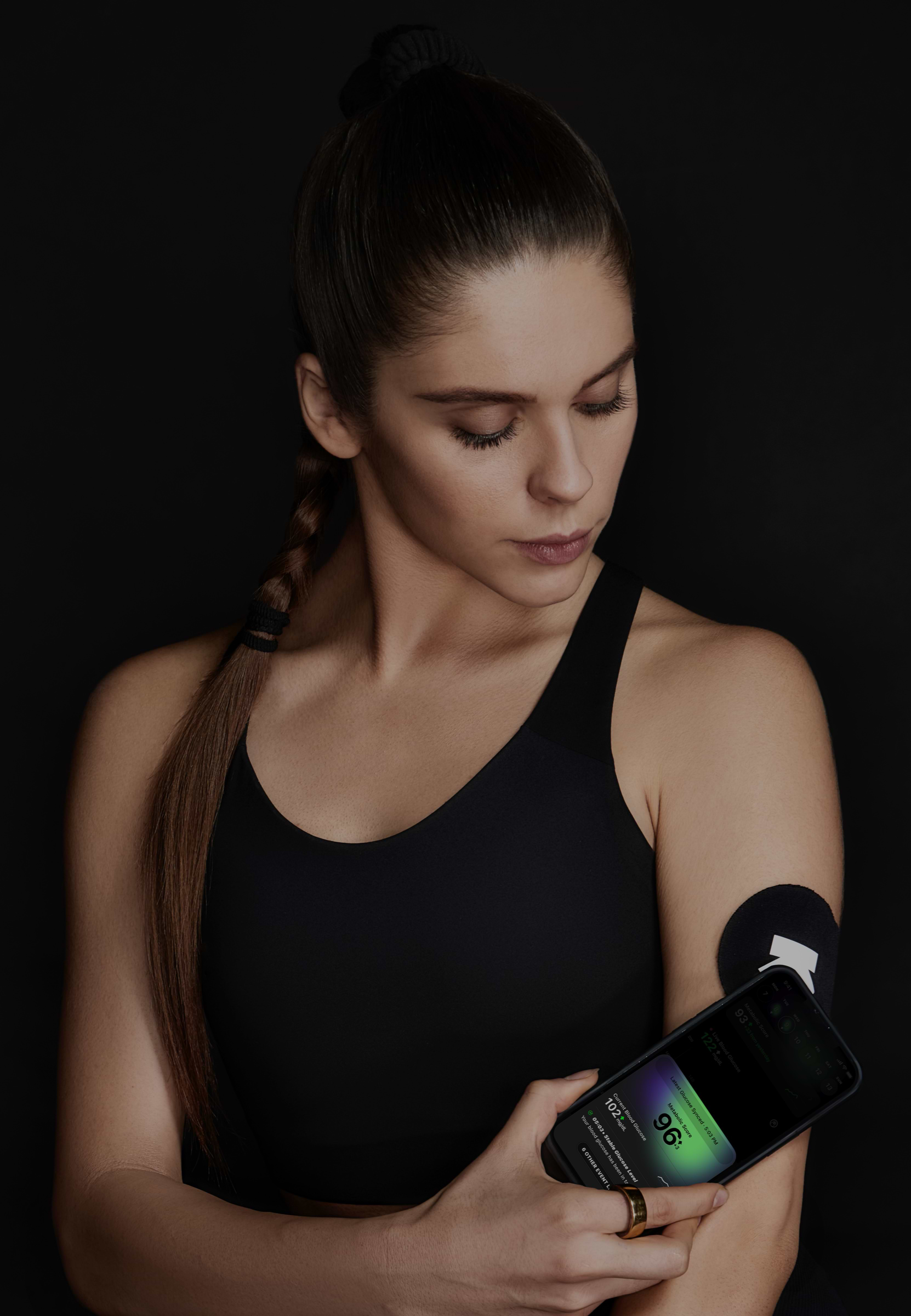
Discover
metabolic
health with M1
Ultrahuman M1 helps you measure the impact of food and activity on your body in real time through glucose as a biomarker.
Explore Ultrahuman M1Entdecken Sie die glykämische Reaktion Ihrer Lieblingsspeisen
Entdecken Sie OGDbYour cart is empty
Browse through our products and find something for you.