

Espresso Coffee (1 Espresso Cup (2 Fl Oz))
 Breakfast
114 mg/dL
avg. peak value
Usually has a stable response
Avg. Food Score on Ultrahuman App
Ultrahuman Users got a STABLE response
How to consume Espresso Coffee without glucose spikes
Eat a Fiber-Rich Snack
Consume foods high in fiber, such as a small apple or a handful of almonds, before having your espresso. This can slow down the absorption of glucose.
Add a Protein Source
Pair your espresso with a protein-rich food like Greek yogurt or a boiled egg. This can help moderate blood sugar levels by providing a more balanced nutrient intake.
Incorporate Healthy Fats
Add a source of healthy fats to your diet, such as avocado slices or a few walnuts, which can aid in stabilizing glucose levels.
Use Cinnamon
Sprinkle a small amount of cinnamon into your espresso or on your accompanying foods. Cinnamon may help improve insulin sensitivity.
Stay Hydrated
Drink a glass of water before or after your coffee to help maintain overall hydration levels, which is beneficial for metabolic processes.
Opt for Decaf
If caffeine is a significant factor in your blood sugar response, consider switching to decaffeinated espresso to mitigate spikes.
Practice Portion Control
Limit your espresso intake to a small serving to reduce the potential impact on glucose levels.
Time Your Coffee Intake
Have your espresso after a meal rather than on an empty stomach, which can help prevent a rapid increase in blood sugar.
Monitor Carbohydrate Intake
Be mindful of the total carbohydrates in your diet throughout the day to keep overall glucose levels in check.
Exercise Regularly
Engage in regular physical activity, which can enhance your body's ability to manage blood sugar levels effectively.
Discover
metabolic
health with M1
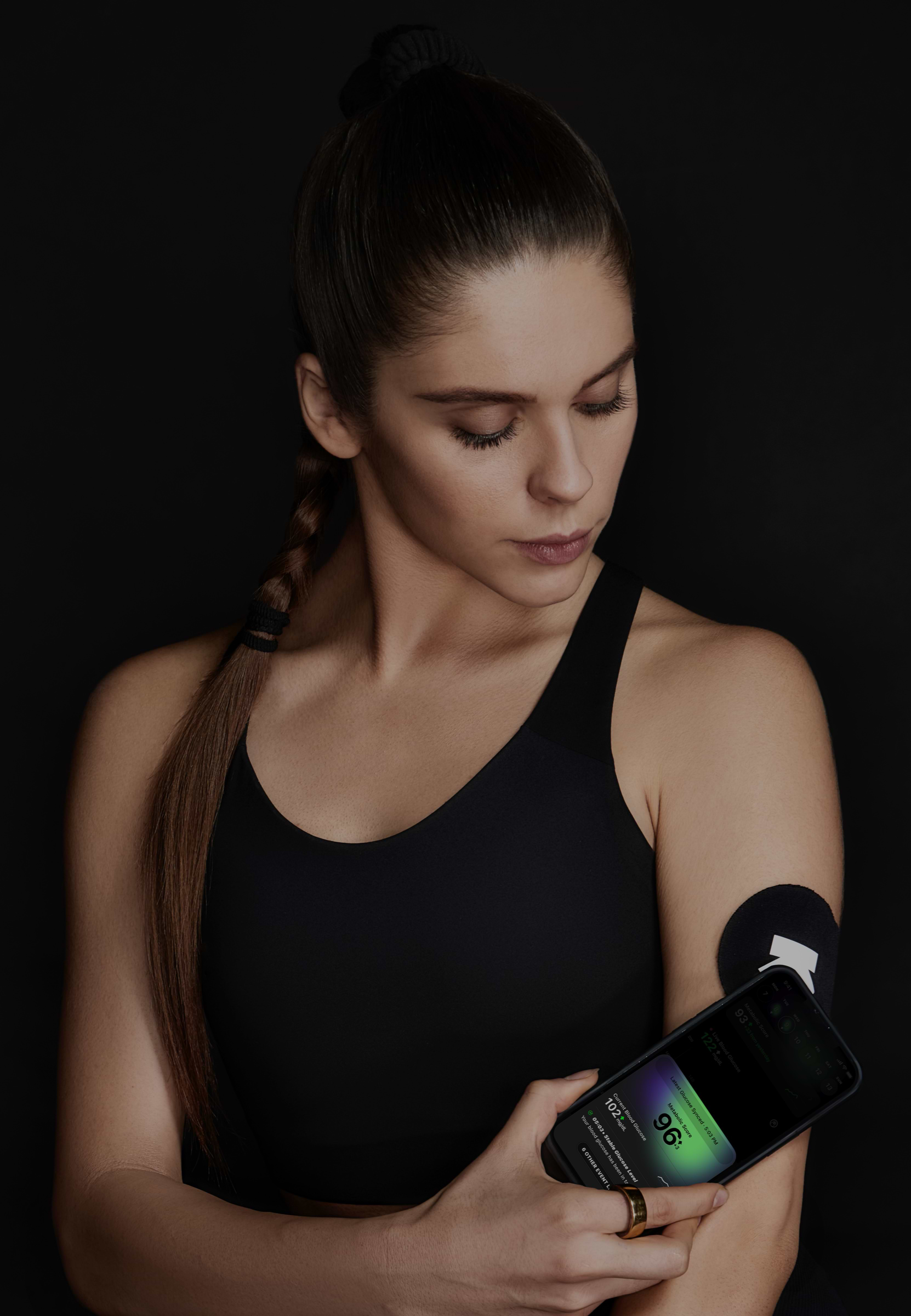
Ultrahuman M1 helps you measure the impact of food and activity on your body in real time through glucose as a biomarker.
Explore Ultrahuman M1Entdecken Sie die glykämische Reaktion Ihrer Lieblingsspeisen
Entdecken Sie OGDbYour cart is empty
Browse through our products and find something for you.