

Mixed Vegetable Parantha (Ashoka) (1 Serving)
 Breakfast
146 mg/dL
avg. peak value
Usually causes a medium spike
Avg. Food Score on Ultrahuman App
Ultrahuman Users got an UNSTABLE response
Other related foods
- mixed nuts
- mixed salad greens
- mixed vegetable and fruit juice with added nutrients
- grilled chicken mixed salad greens
- cooked mixed vegetables corn lima beans peas green beans and carrots
- mixed vegetable parantha
- mixed vegetable juice vegetables other than tomato
- mixed seeds
- chicken breast mixed salad greens
- mixed salad greens salmon
How to consume Mixed Vegetable Parantha without glucose spikes
Portion Control
Limit the serving size of the parantha to avoid consuming excess carbohydrates at once.
Whole Grains
Use whole wheat flour or other whole grain flours to prepare the parantha, which can help in slowing down the digestion process.
Fiber Addition
Incorporate additional fiber-rich ingredients like flaxseeds, chia seeds, or psyllium husk into the dough to help moderate blood sugar levels.
Healthy Fats
Include healthy fats such as avocado, nuts, or seeds as toppings or side dishes to help slow down carbohydrate absorption.
Protein Pairing
Pair your parantha with a protein-rich dish such as Greek yogurt, cottage cheese, or a boiled egg to reduce the overall glucose response.
Vegetable Diversity
Add a variety of low-starch vegetables like spinach, bell peppers, and mushrooms in the parantha stuffing to increase nutritional content without significantly impacting blood sugar.
Hydration
Drink water before and during the meal to stay hydrated, which can support digestion and better manage blood sugar levels.
Mindful Eating
Eat slowly and chew thoroughly, which can aid in better digestion and slower absorption of carbohydrates.
Timing and Activity
Consider eating the parantha earlier in the day or engaging in light physical activity after meals, such as a short walk, to help manage blood sugar levels.
Monitor and Adjust
Keep track of your blood sugar response after eating and adjust ingredients or portion sizes accordingly for next time.
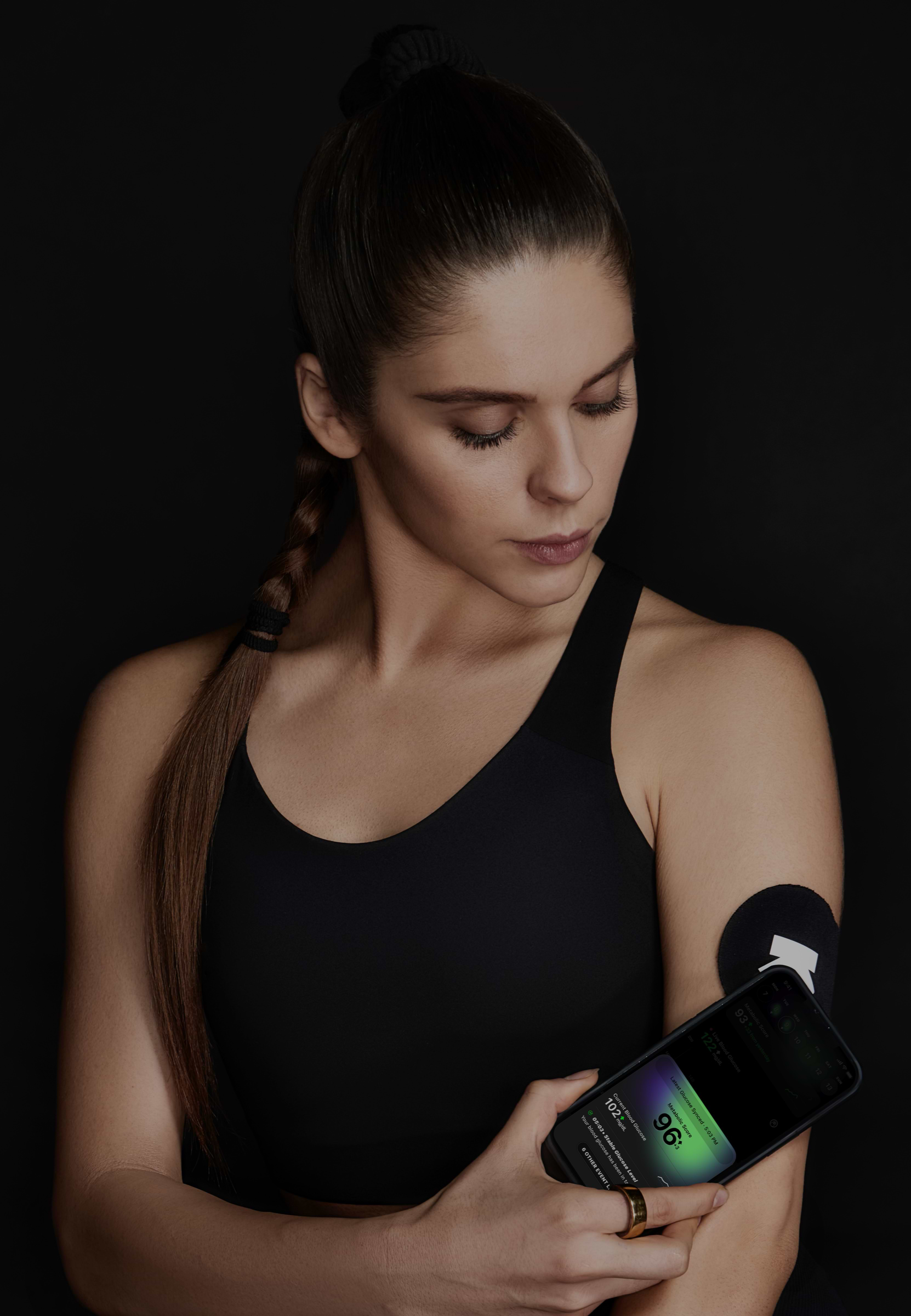
Discover
metabolic
health with M1
Ultrahuman M1 helps you measure the impact of food and activity on your body in real time through glucose as a biomarker.
Explore Ultrahuman M1Entdecken Sie die glykämische Reaktion Ihrer Lieblingsspeisen
Entdecken Sie OGDbYour cart is empty
Browse through our products and find something for you.