

Introducing Pulsomics. Contribute to science. Learn MoreIntroducing Pulsomics. Contribute to science.
M2 Live is here. Continuous Glucose Tracking, no Rx
Introducing Pulsomics. Contribute to science. Learn MoreIntroducing Pulsomics. Contribute to science.
Ultrahuman Ring
Choose the ring built for you.

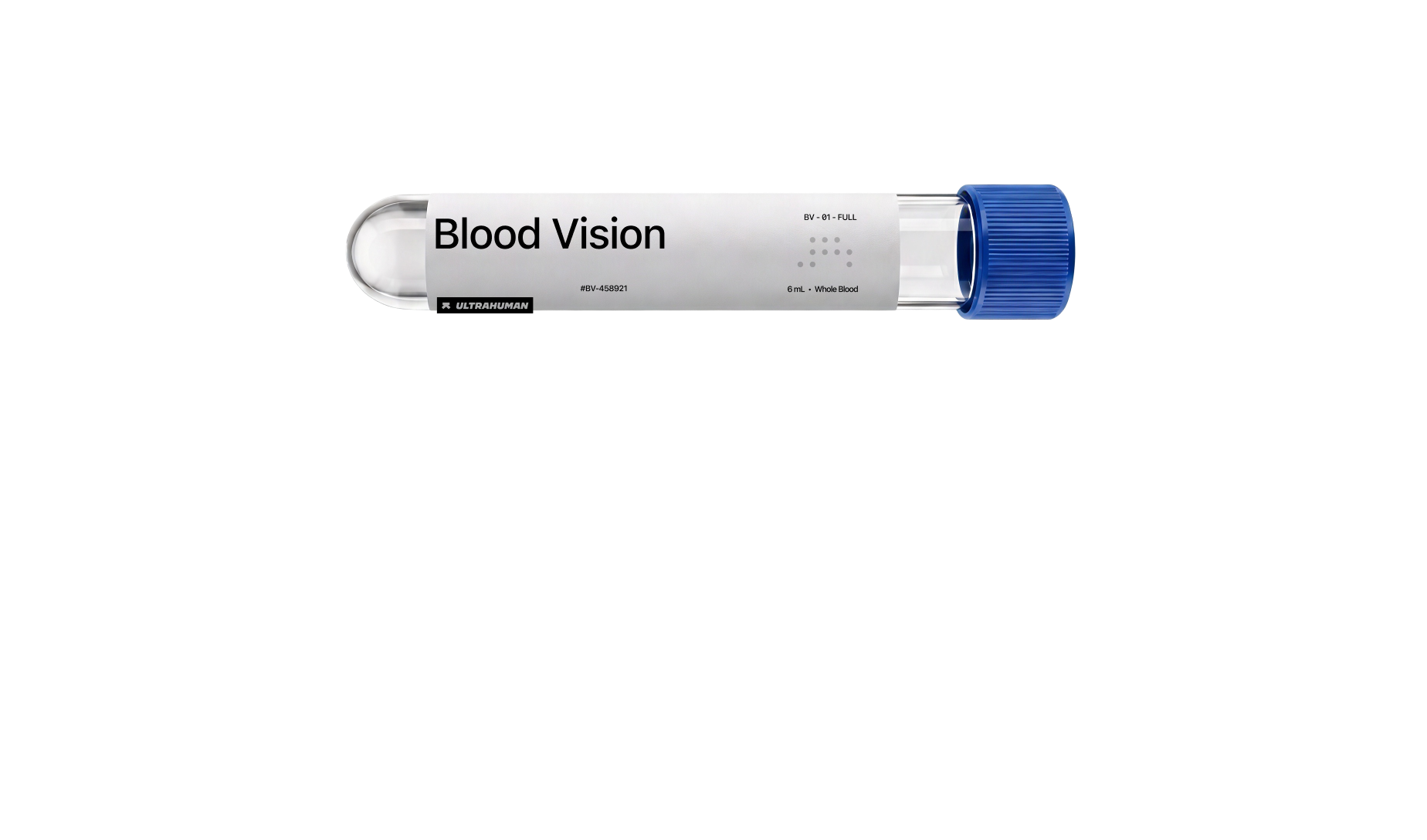
Performance Lab
Train, test and recover at our Bengaluru facility.


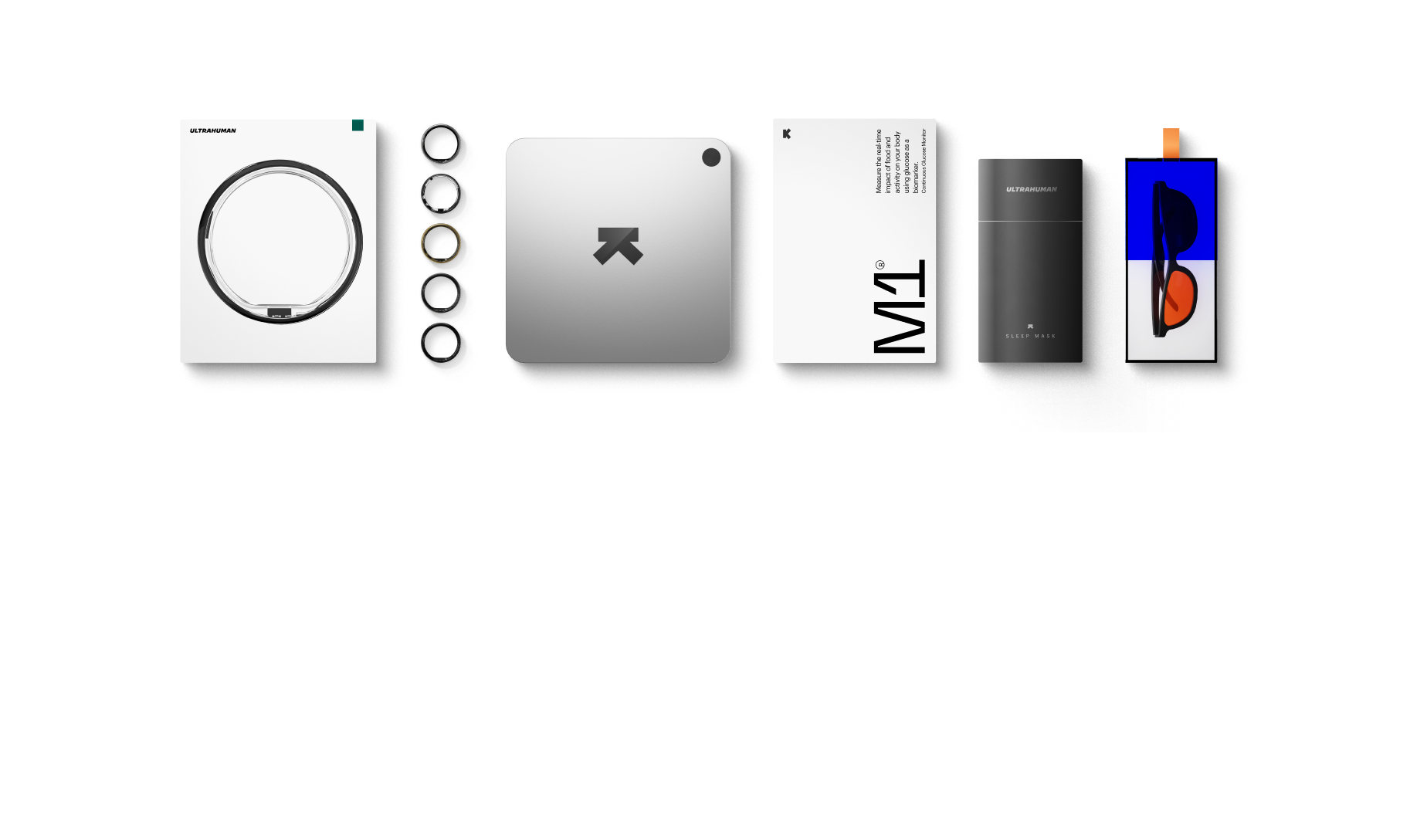
Science & Research

Breakfast insulin 16 (1 piece)
 Breakfast
238 mg/dL
avg. peak value
Usually has a stable response
Avg. Food Score on Ultrahuman App
60%
Ultrahuman Users got a STABLE response
How to consume Breakfast insulin 16 without glucose spikes
Monitor Portion Sizes
Reduce the portion sizes of carbohydrate-rich foods you consume at breakfast to help manage spiking glucose levels.
Incorporate Whole Grains
Opt for whole grain options such as oats or whole grain bread, as they are digested more slowly and can help maintain stable glucose levels.
Add Protein
Include a source of lean protein like eggs, Greek yogurt, or a small serving of nuts to your breakfast to help slow down the absorption of carbohydrates.
Include Healthy Fats
Add healthy fats like avocado or a small amount of olive oil to your meal to help stabilize blood sugar levels.
Choose Low-Sugar Fruits
Select fruits such as berries, cherries, or green apples, which are less likely to cause a rapid increase in glucose levels.
Stay Hydrated
Drink plenty of water before and during breakfast, as hydration can help with overall metabolic function and glucose regulation.
Eat Mindfully
Take your time to eat slowly and savor each bite, which can help with digestion and prevent overeating.
Plan Balanced Meals
Ensure that each meal component is balanced with a combination of carbohydrates, proteins, and fats to promote steady glucose levels.
Experiment with Timing
Consider adjusting the timing of your breakfast in consultation with a healthcare professional to optimize insulin effectiveness.
Monitor Glucose Levels
Regularly check your blood glucose levels before and after breakfast to understand how different foods affect your glucose response and adjust your diet accordingly.


Discover
metabolic
health with M1
Ultrahuman M1 helps you measure the impact of food and activity on your body in real time through glucose as a biomarker.
Explore Ultrahuman M1Find Glucose response for your favourite foods
Explore OGDbYour cart is empty
Looks like you haven't added anything yet. Explore our products to get started.