

Cadbury - Twirl (Twin Pack) (1 finger)
 Lunch
Lunch
104 mg/dL
avg. peak value
Usually causes a medium spike
Avg. Food Score on Ultrahuman App
Ultrahuman Users got an UNSTABLE response
How to consume cadbury - twirl (twin pack) without glucose spikes
Pair with Protein
Consume the Twirl bar with a small portion of protein, such as a handful of nuts, Greek yogurt, or a boiled egg. Protein can help moderate the absorption rate of sugar.
Incorporate Fiber
Add a fiber-rich food to your snack, such as a small apple or some carrot sticks. Fiber slows down the digestion process, helping to stabilize blood sugar levels.
Stay Hydrated
Drink a glass of water with your snack. Proper hydration can aid in digestion and may help mitigate rapid spikes in blood sugar.
Opt for Smaller Portions
Consider eating only half of the twin pack and saving the rest for later. Smaller portions can lead to smaller blood sugar responses.
Include Healthy Fats
Pair the snack with a food that contains healthy fats, such as a few slices of avocado or a small handful of almonds. Fats can help slow the absorption of sugar.
Walk After Eating
Engage in light physical activity, like a 10-15 minute walk, after consuming the chocolate. Physical activity can help your muscles use glucose more effectively.
Choose a Balanced Meal
If possible, have the Twirl as part of a balanced meal that includes protein, healthy fats, and fiber. This combination can help minimize blood sugar fluctuations.
Monitor Timing
Eat the chocolate at a time when your body is more insulin-sensitive, such as earlier in the day, rather than late at night.
Plan Ahead
If you anticipate craving a sweet, plan your meals and snacks accordingly throughout the day to allow for the indulgence without causing significant spikes.
Mindful Eating
Slow down and enjoy the chocolate mindfully, focusing on the taste and texture, which may lead to greater satisfaction with a smaller quantity.
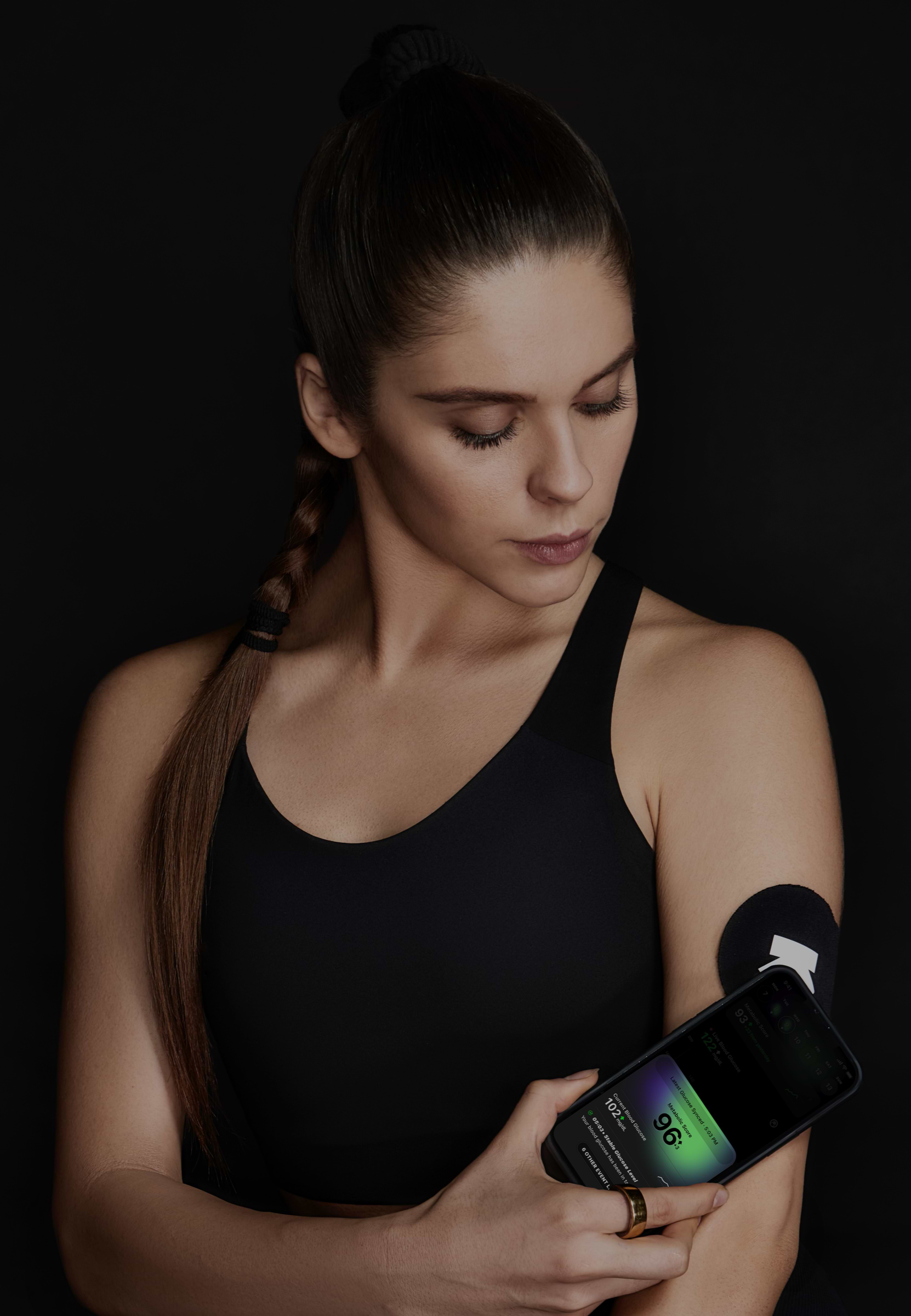
Discover
metabolic
health with M1
Ultrahuman M1 helps you measure the impact of food and activity on your body in real time through glucose as a biomarker.
Explore Ultrahuman M1Find Glucose response for your favourite foods
Explore OGDbYour cart is empty
Looks like you haven't added anything yet. Explore our products to get started.