

Introducing Pulsomics. Contribute to science. Learn MoreIntroducing Pulsomics. Contribute to science.
M2 Live is here. Continuous Glucose Tracking, no Rx
Introducing Pulsomics. Contribute to science. Learn MoreIntroducing Pulsomics. Contribute to science.
Ultrahuman Ring
Choose the ring built for you.

Performance Lab
Train, test and recover at our Bengaluru facility.


Science & Research

Break fast (1 piece)
 Breakfast
244 mg/dL
avg. peak value
Usually causes a large spike
Avg. Food Score on Ultrahuman App
93%
Ultrahuman Users got an UNSTABLE response
How to consume break fast without glucose spikes
Choose Whole Grains
Opt for oatmeal, whole grain bread, or whole grain cereals instead of refined options like white bread or sugary cereals to prevent a glucose spike.
Incorporate Protein
Include protein-rich foods such as eggs, Greek yogurt, or cottage cheese in your breakfast to help stabilize blood sugar levels throughout the morning.
Add Healthy Fats
Include sources of healthy fats like avocados, nuts, or seeds to slow down the absorption of sugar into your bloodstream.
Increase Fiber Intake
Add fiber-rich fruits such as berries, apples, or pears to your meal to aid digestion and promote a slower release of sugar.
Portion Control
Be mindful of your portion sizes to avoid consuming excessive amounts of carbohydrates which can lead to a spike.
Stay Hydrated
Drink plenty of water with your meal to help in the digestion process and to maintain stable blood sugar levels.
Limit Sugary Additions
Avoid adding sugar or syrups to your breakfast. Consider using natural sweeteners like a small amount of honey if needed.
Eat Mindfully
Take your time to eat breakfast slowly and focus on enjoying your meal, which can help in better digestion and absorption of nutrients.
Include Vegetables
Add some vegetables to your breakfast, such as spinach, tomatoes, or bell peppers, for added nutrients and to help keep blood sugar levels steady.
Monitor Your Response
Keep track of how different foods affect your blood sugar and adjust your choices accordingly to find what works best for you.
Powered by ChatGPT. ChatGPT's information is based on machine learning and may not be entirely accurate or reliable. Consult a healthcare professional before changing your lifestyle, diet or treatment. We don't endorse any specific foods, products and assume no liability for any loss or damage caused by relying on ChatGPT.

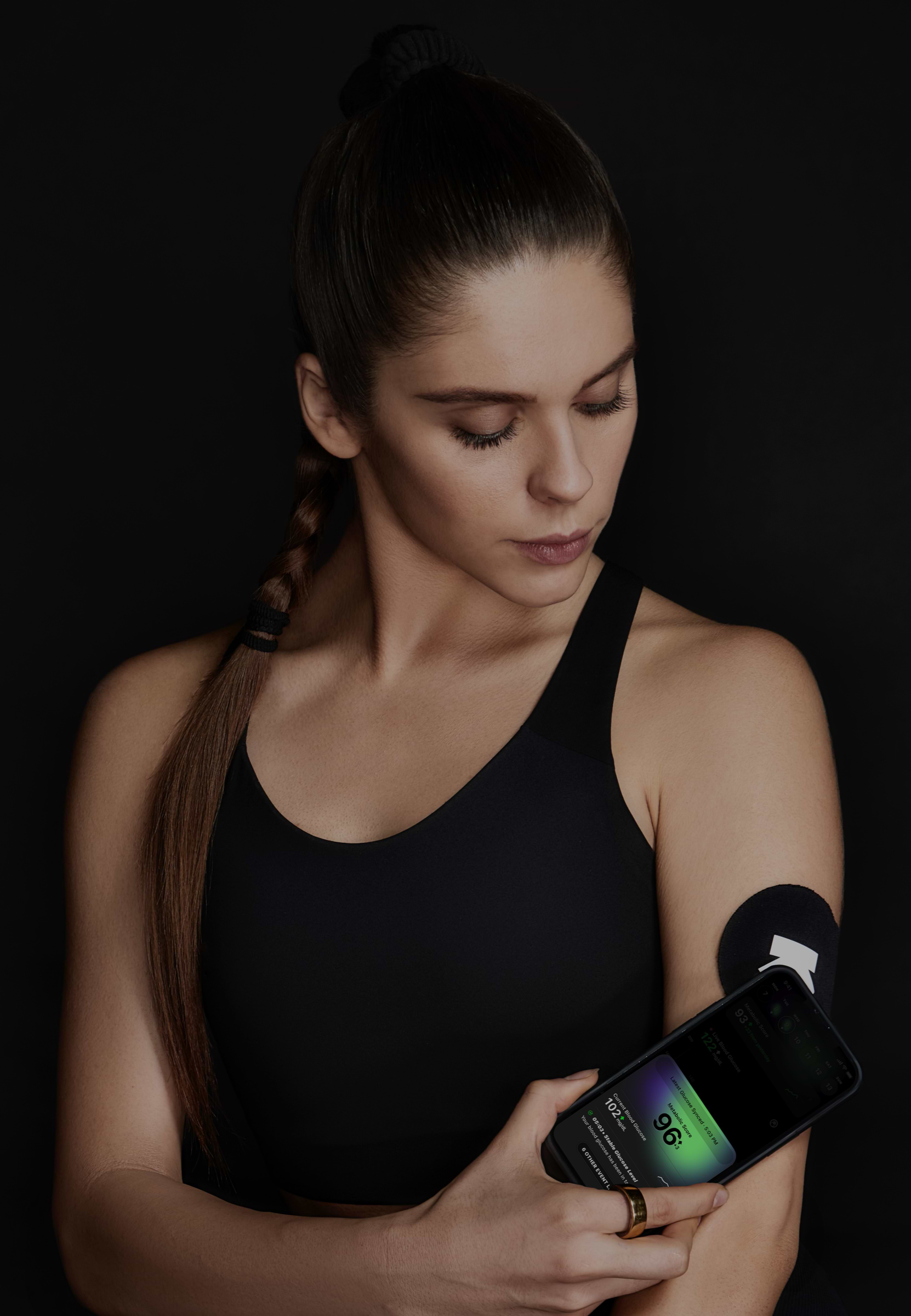
Discover
metabolic
health with M2
Ultrahuman M2 helps you measure the impact of food and activity on your body in real time through glucose as a biomarker.
Explore Ultrahuman M2Find Glucose response for your favourite foods
Explore OGDbYour cart is empty
Looks like you haven't added anything yet. Explore our products to get started.