




Chapathi 3 (1 piece)
 Dinner
188 mg/dL
avg. peak value
Usually causes a large spike
Avg. Food Score on Ultrahuman App
100%
Ultrahuman Users got an UNSTABLE response
How to consume Chapathi 3 without glucose spikes
Pair with Protein
Consume chapathi with a source of protein such as grilled chicken, paneer, or lentils. Protein helps slow down the absorption of carbohydrates.
Include Healthy Fats
Add a small amount of healthy fat like avocado, nuts, or a drizzle of olive oil to your meal. This can help stabilize blood sugar levels.
Add Fiber-Rich Vegetables
Incorporate non-starchy vegetables such as broccoli, spinach, or bell peppers with your meal. These vegetables are high in fiber, which can help mitigate glucose spikes.
Portion Control
Consider reducing the number of chapathis consumed in one sitting. Smaller portions can lead to less pronounced blood sugar fluctuations.
Stay Hydrated
Drink plenty of water throughout the day. Staying hydrated supports overall metabolism, including glucose regulation.
Physical Activity Post-Meal
Engage in light physical activity, such as a brief walk, after eating. Exercise can help lower blood sugar levels more quickly.
Avoid Sugary Drinks
Steer clear of consuming sugary beverages alongside chapathi, as they can contribute to a higher spike in blood glucose.
Monitor Timing
Try eating chapathi as part of a balanced meal at consistent times each day to help your body anticipate and manage blood sugar levels better.
Choose Whole Grains
If possible, opt for whole grain or multigrain chapathis, as they contain more fiber than their refined counterparts.
Mindful Eating
Eat slowly and mindfully, focusing on the flavors and textures of your food, which can help prevent overeating and aid in digestion.

Discover
metabolic
health with M1
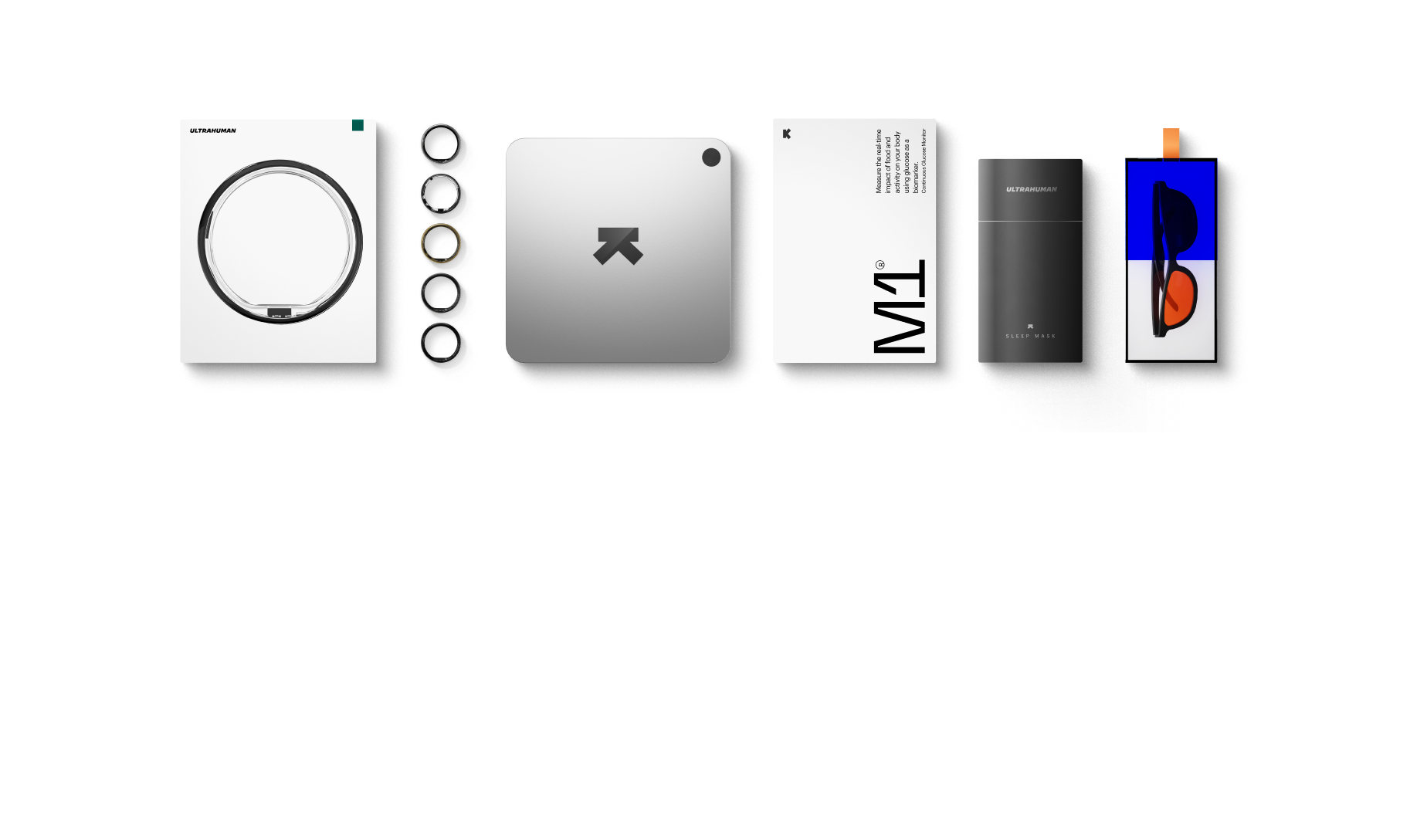
Ultrahuman M1 helps you measure the impact of food and activity on your body in real time through glucose as a biomarker.
Explore Ultrahuman M1Find Glucose response for your favourite foods
Explore OGDb