
Loading...

Buttermilk (Reduced Fat, Cultured) (100 Ml)

food-timeDinner

How to consume Buttermilk (Reduced Fat, Cultured) without glucose spikes

Combine with Fiber-Rich Foods

Pair buttermilk with foods high in fiber such as oats, barley, or legumes. This can help slow down digestion and stabilize blood sugar levels.

Add Protein

Include a protein source like nuts, seeds, or a small portion of lean meat when you consume buttermilk. Protein can help moderate glucose absorption.

Portion Control

Limit the amount of buttermilk you consume in one sitting. Smaller portions will have a less pronounced effect on blood sugar.

Timing of Consumption

Instead of having buttermilk on an empty stomach, consume it after a meal. This can help buffer the glucose response.

Incorporate Healthy Fats

Add healthy fats such as avocado or a drizzle of olive oil to meals that include buttermilk. Fats can help slow the release of sugar into the bloodstream.

Stay Hydrated

Drink plenty of water throughout the day. Staying hydrated can help your body manage sugar levels more effectively.

Include Non-Starchy Vegetables

Incorporate non-starchy vegetables like spinach, kale, or broccoli into your meal. These vegetables are low in carbohydrates and can help keep blood sugar levels stable.

Regular Physical Activity

Engage in regular exercise to enhance insulin sensitivity and help regulate glucose levels.

Mindful Eating

Eat slowly and mindfully to better sense when you are full and prevent overeating, which can lead to a higher glucose spike.

Monitor and Adjust

Keep track of your body's response to buttermilk and adjust your dietary habits accordingly. This can help you find the best combination of foods and activities that work for you.

healthspan-mbl

Discover
metabolic
health with M1

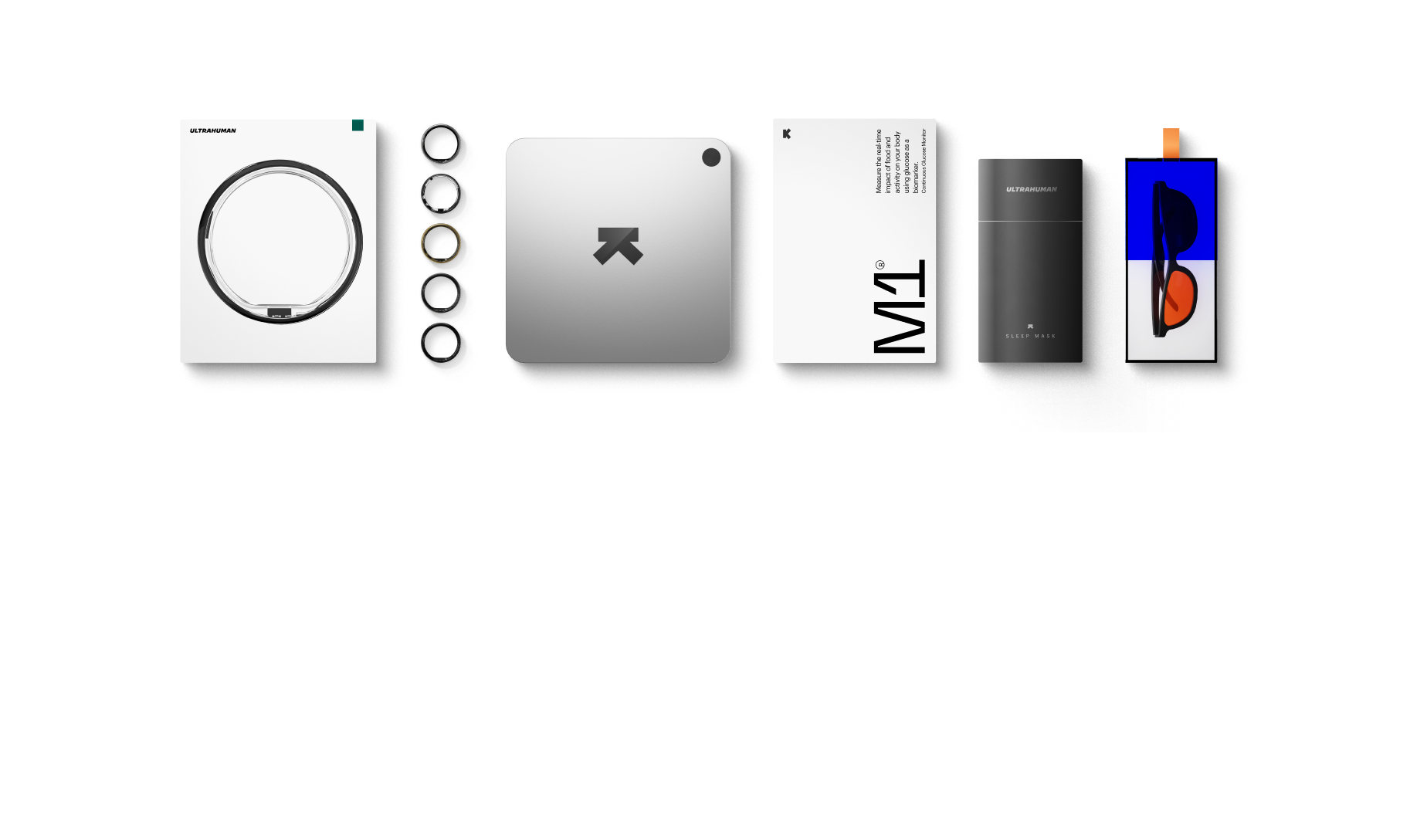
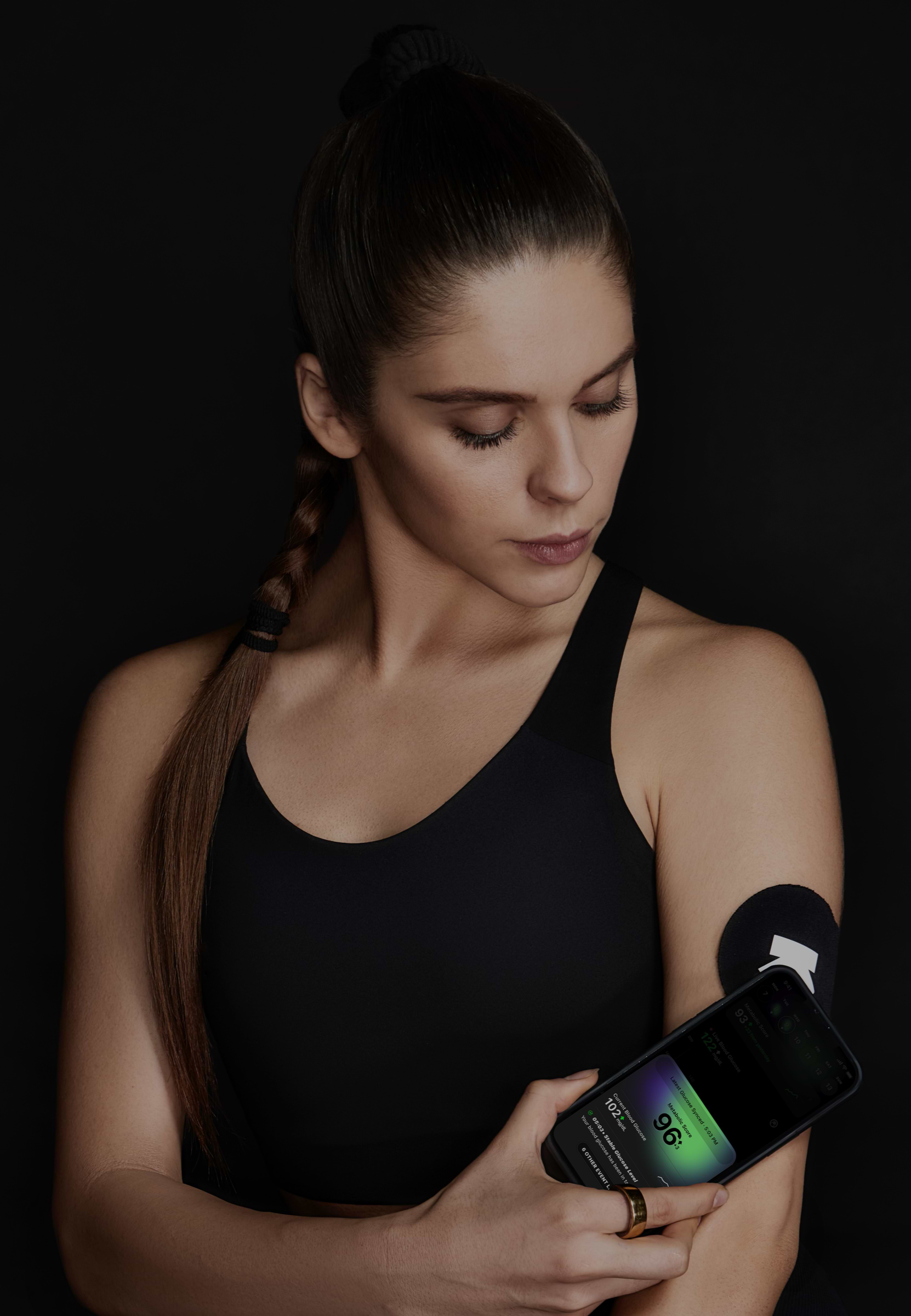
Ultrahuman M1 helps you measure the impact of food and activity on your body in real time through glucose as a biomarker.

Explore Ultrahuman M1

Find Glucose response for your favourite foods

Explore OGDb