

Cooked Rice (1 Cup, Cooked), Dal Yellow (Hommade) (1 Serving) and Curd (Amul) (1 Serving)
 Afternoon Snack
186 mg/dL
avg. peak value
Usually causes a large spike
Avg. Food Score on Ultrahuman App
Ultrahuman Users got an UNSTABLE response
How to consume Cooked Rice, Curd, Dal Yellow without glucose spikes
Portion Control
Reduce the quantity of cooked rice and ensure you're not consuming it in large amounts. Smaller portions can help manage blood sugar levels more effectively.
Add Fiber
Incorporate fibrous vegetables such as broccoli, spinach, or bell peppers into your meal. These can slow down the absorption of carbohydrates.
Choose Brown Rice
If you prefer rice, opt for brown rice instead of white rice. It’s absorbed more slowly and has a milder impact on blood sugar levels.
Balance with Protein
Add more protein to your meal by including lean meats like chicken or fish, or plant-based options such as chickpeas or tofu. Proteins can help to slow down the digestion of carbohydrates.
Use Healthy Fats
Include healthy fats like avocados, nuts, and seeds in your meal. These can help slow down the absorption of carbohydrates.
Limit Curd
If you’re consuming curd, choose plain, unsweetened curd and keep the portion small to avoid excessive sugar intake.
Optimize Dal Preparation
When preparing dal, avoid adding sugar or excessive amounts of ghee. Consider adding leafy greens or vegetables to the dal for extra nutrients and fiber.
Consistent Meal Timings
Eat smaller, more frequent meals throughout the day instead of large meals, which can help maintain steadier blood sugar levels.
Hydrate
Drink plenty of water throughout the day. Sometimes thirst is confused with hunger, leading to overeating.
Physical Activity
Incorporate light exercise, such as a short walk after meals. Physical activity helps your body use up glucose more efficiently.
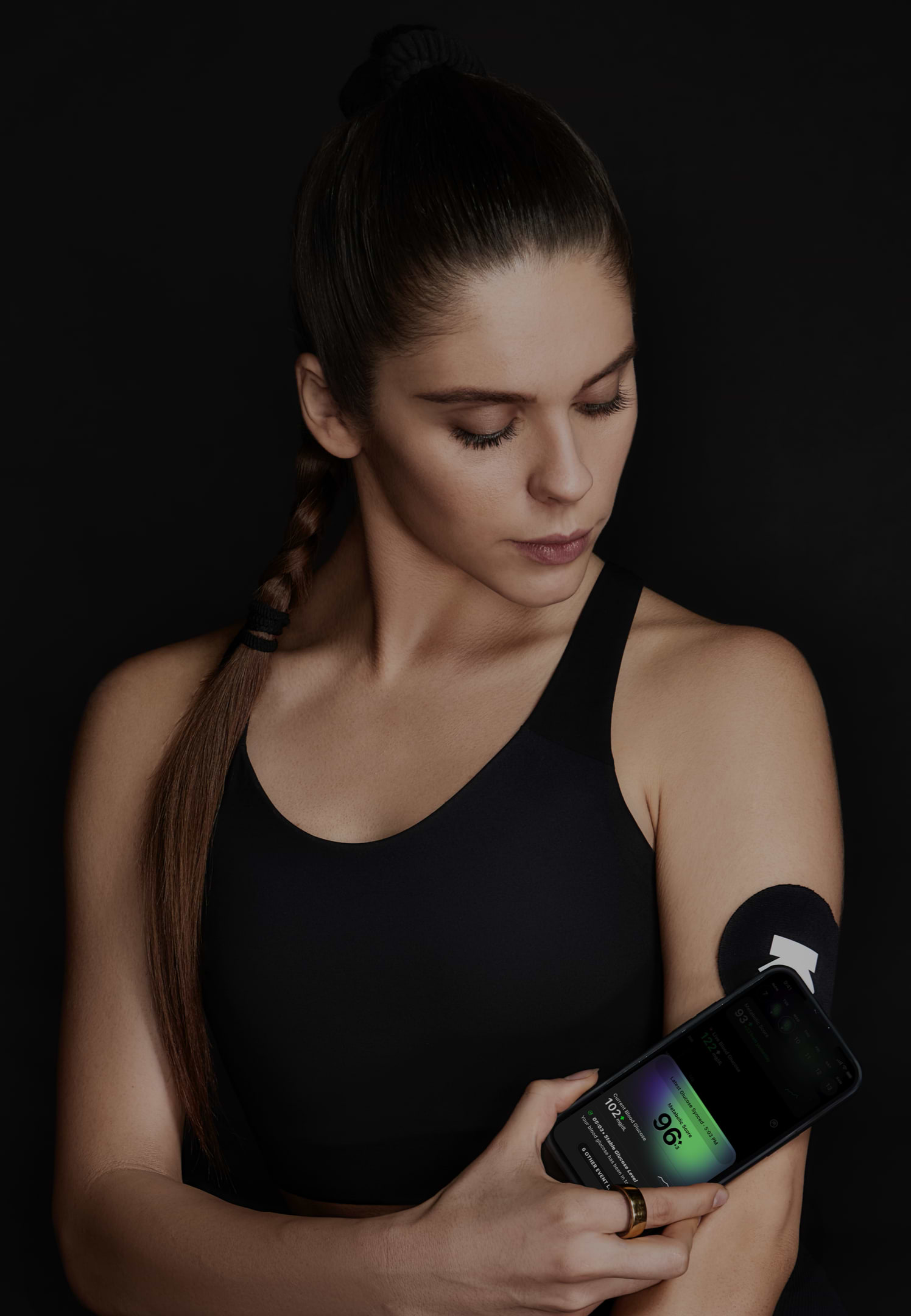
Discover
metabolic
health with M1
Ultrahuman M1 helps you measure the impact of food and activity on your body in real time through glucose as a biomarker.
Explore Ultrahuman M1Your cart is empty
Browse through our products and find something for you.
The concept of using CGM to guide your training and food plan is brilliant. The app is also very well laid out.
Rakannan - user since Jul 2021
I didn't follow any fancy diet, yet managed to educate myself around food, and built a sustainable & healthy lifestyle.
Athif Hasan - user since Sep 2021
Ultrahuman M1 has done what meal plans and diets have failed to do; make me better without all the restrictions.
Anwar Shai - user since Jun 2021
10% off on your first purchase
Subscribe to our WhatsApp for the latest updates and offers, and enjoy 10% off on your first purchase.