

English Indian Paneer Bhurji (1 Cup), Dal Yellow (Hommade) (1 Serving) and Roti (1 Medium (7 Inches))
 Dinner
125 mg/dL
avg. peak value
Usually causes a medium spike
Avg. Food Score on Ultrahuman App
Ultrahuman Users got a STABLE response
How to consume dal yellow, english indian paneer bhurji, roti without glucose spikes
Incorporate Fiber-Rich Vegetables
Add a side of non-starchy vegetables like spinach, broccoli, or cauliflower to your meal. These help slow down carbohydrate absorption.
Choose Whole Grain Roti
Opt for whole grain or multigrain roti instead of regular roti. These types tend to have a slower impact on blood sugar levels.
Limit Portion Sizes
Reduce the portion size of roti to minimize the overall intake of carbohydrates at one meal.
Add Healthy Fats
Include a small serving of healthy fats, such as a spoonful of olive oil or a handful of nuts, with your meal to help stabilize blood sugar levels.
Stay Hydrated
Drink water before and during your meal to aid digestion and help manage blood sugar levels.
Eat Protein-Rich Foods
Ensure you have a good portion of the paneer bhurji, as protein can help slow carbohydrate absorption.
Incorporate Legumes
While dal is already a legume, consider mixing it with other low-impact legumes like chickpeas or black beans for added variety and fiber.
Monitor Cooking Methods
Avoid overcooking vegetables and roti, as this can raise their impact on blood sugar levels. Lightly steaming or sautéing vegetables is preferable.
Include Fermented Foods
Add a small serving of yogurt or other fermented foods to your meal to aid digestion and support stable blood sugar levels.
Space Out Carbohydrate Intake
Instead of consuming all carbohydrates in one meal, try to spread your intake throughout the day to prevent spikes.
Use Herbs and Spices
Incorporate herbs and spices like cinnamon and turmeric, which have been shown to help manage blood sugar levels.
Practice Mindful Eating
Eat slowly and mindfully, chewing thoroughly to aid digestion and better manage blood sugar levels.
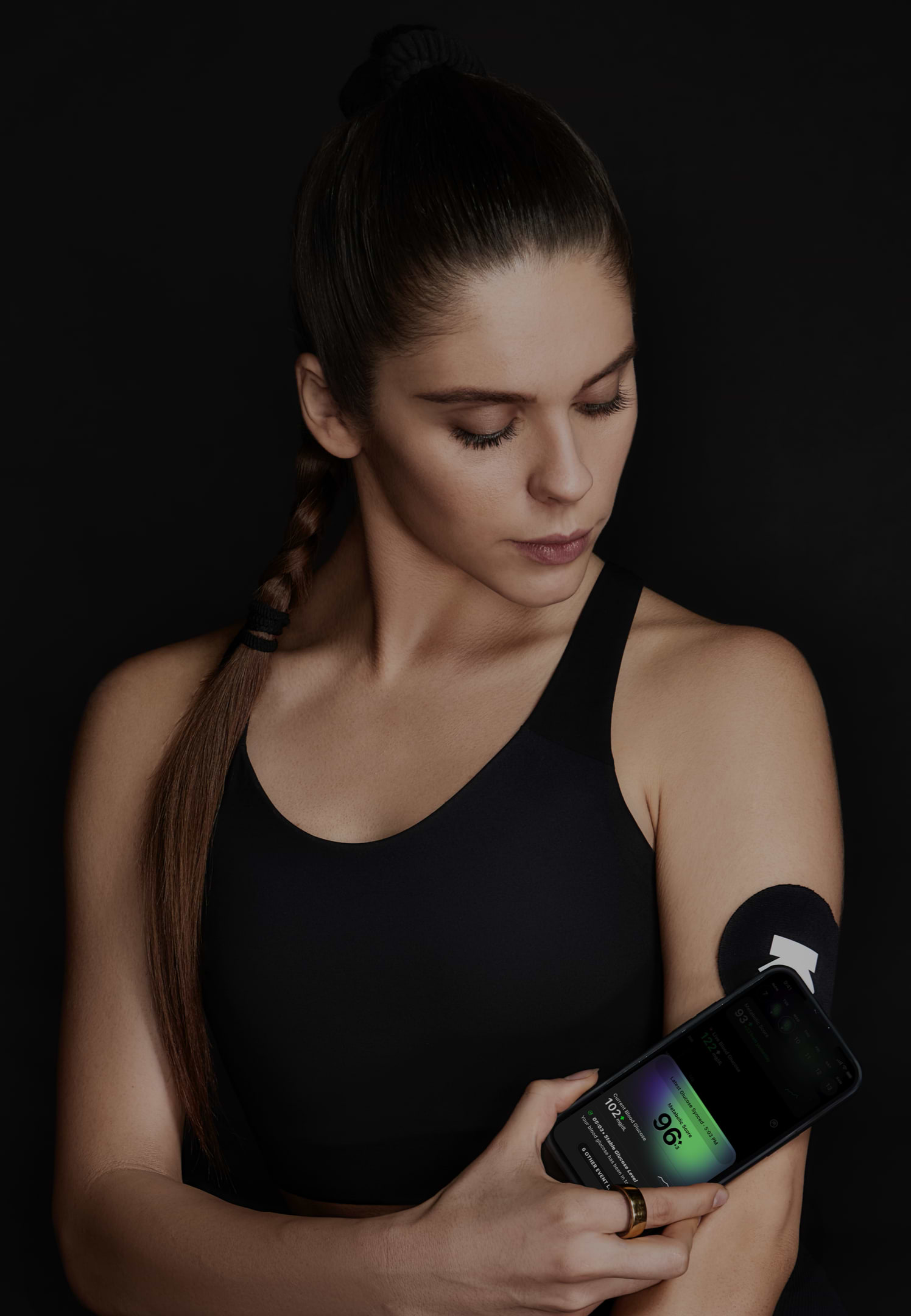
Discover
metabolic
health with M1
Ultrahuman M1 helps you measure the impact of food and activity on your body in real time through glucose as a biomarker.
Explore Ultrahuman M1Your cart is empty
Browse through our products and find something for you.
The concept of using CGM to guide your training and food plan is brilliant. The app is also very well laid out.
Rakannan - user since Jul 2021

I didn't follow any fancy diet, yet managed to educate myself around food, and built a sustainable & healthy lifestyle.
Athif Hasan - user since Sep 2021

Ultrahuman M1 has done what meal plans and diets have failed to do; make me better without all the restrictions.
Anwar Shai - user since Jun 2021
10% off on your first purchase
Subscribe to our WhatsApp for the latest updates and offers, and enjoy 10% off on your first purchase.