
Loading...

Korean Mochi Rice Cake (1 Piece)

food-timeDinner

126 mg/dL

avg. peak value

Usually causes a medium spike

5

Avg. Food Score on Ultrahuman App

70%

Ultrahuman Users got an UNSTABLE response

How to consume korean mochi rice cake without glucose spikes

Portion Control

Limit the amount of mochi rice cake you consume at one time. Smaller portions can help minimize glucose spikes.

Pair with Protein

Eat the rice cake with a source of protein, such as a handful of nuts or a serving of Greek yogurt. Protein can help slow the absorption of carbohydrates.

Incorporate Healthy Fats

Add some healthy fats to your meal, like avocado slices or a small serving of cheese. Fats can help moderate the impact on blood sugar levels.

Add Fiber-Rich Foods

Include foods high in fiber like lentils, chickpeas, or vegetables such as broccoli and carrots. Fiber can slow the digestion and absorption of carbohydrates.

Stay Hydrated

Drink plenty of water before and after eating to help with digestion and metabolic processes.

Engage in Light Activity

Consider taking a short walk or doing some light exercise after eating. Physical activity can help lower blood sugar levels.

Monitor Timing

Try consuming the rice cake as part of a larger meal rather than on an empty stomach, to reduce its impact on your blood sugar.

Choose Whole Grains

If possible, opt for whole grain or mixed grain varieties of rice cakes that may contain more fiber and nutrients.

Manage Stress Levels

Practice stress-reducing techniques like meditation or deep breathing exercises, as stress can impact blood sugar levels.

Regular Monitoring

Keep track of your blood sugar levels before and after consuming the mochi rice cake to understand how it affects you and make adjustments accordingly.

healthspan-mbl

Discover
metabolic
health with M1

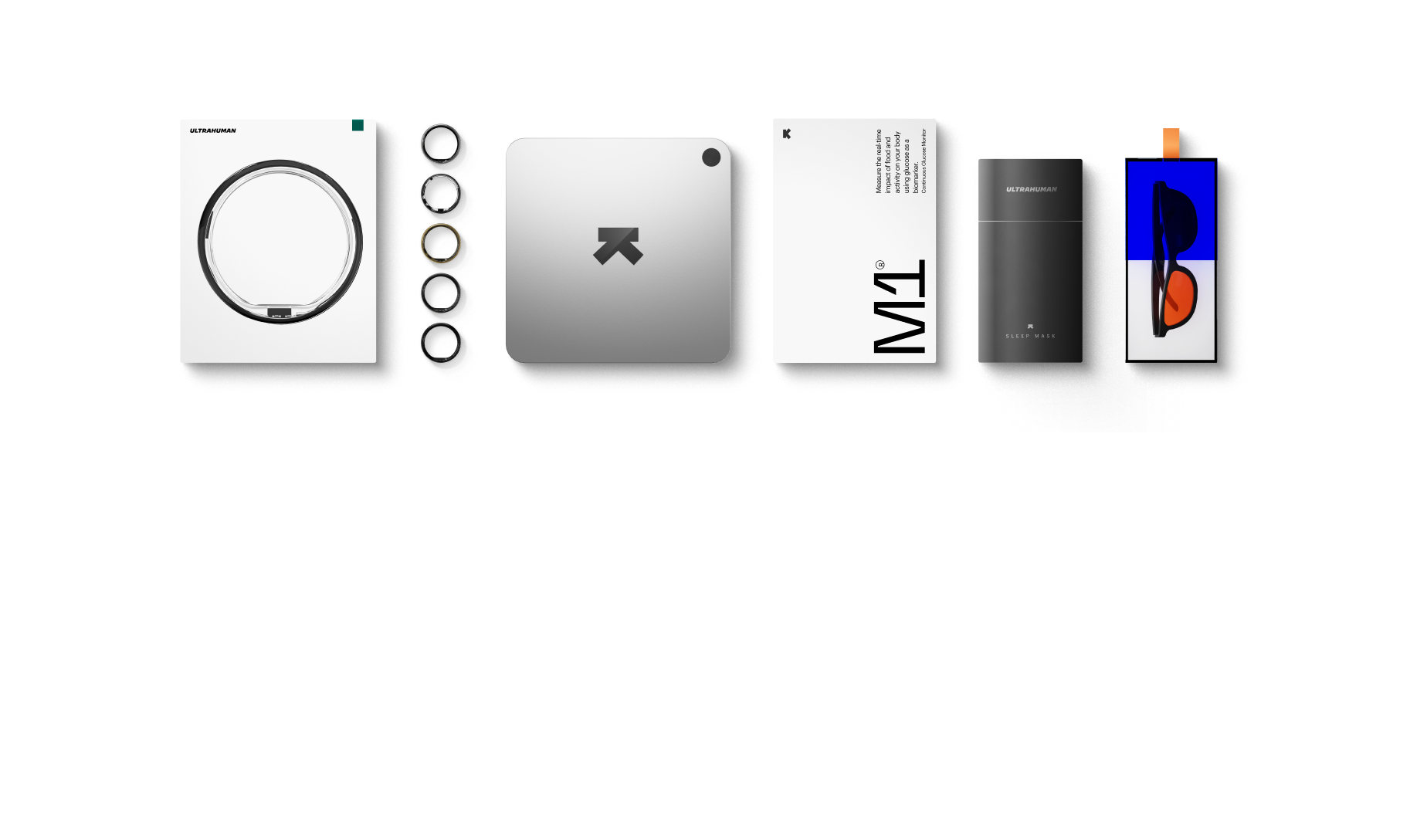
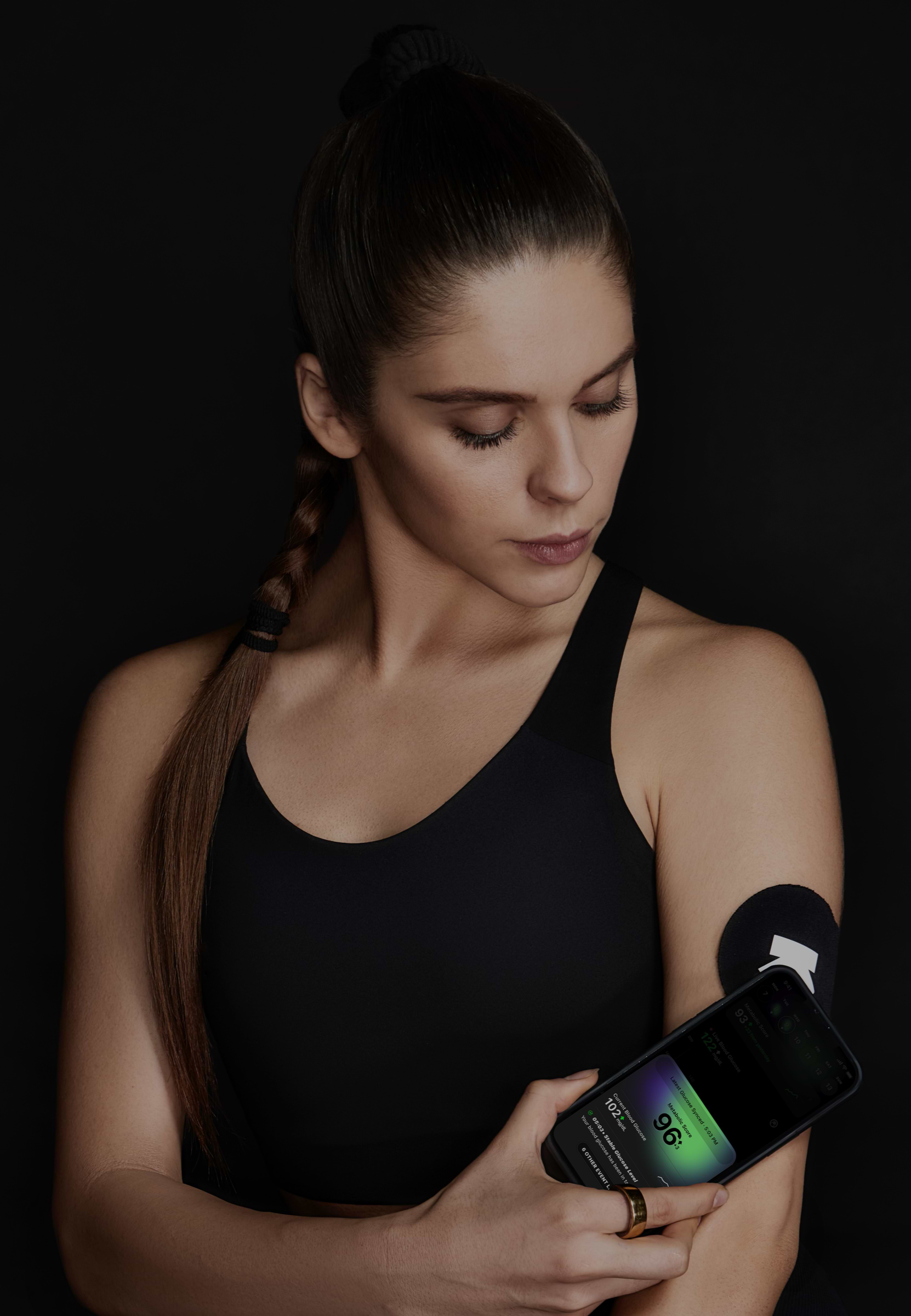
Ultrahuman M1 helps you measure the impact of food and activity on your body in real time through glucose as a biomarker.

Explore Ultrahuman M1

Find Glucose response for your favourite foods

Explore OGDb