

Local salat (1 piece)
 Lunch
Lunch
111 mg/dL
avg. peak value
Usually causes a medium spike
Avg. Food Score on Ultrahuman App
Ultrahuman Users got an UNSTABLE response
Other related foods
How to consume local salat without glucose spikes
Portion Control
Start by reducing the portion size of your local salad. Consuming smaller amounts can help manage glucose levels effectively.
Include Protein
Add a source of lean protein to your salad, such as grilled chicken, tofu, or chickpeas. Protein can help slow down the absorption of carbohydrates.
Add Healthy Fats
Incorporate healthy fats like avocado slices, nuts, or seeds. These can help slow the digestion process and reduce the impact on your blood sugar.
Choose Whole Grains
If your salad includes grains, opt for whole grains like quinoa or barley as they are digested more slowly than refined grains.
Opt for Leafy Greens
Use a base of leafy greens such as spinach or kale, as they have a lower impact on blood sugar compared to iceberg lettuce.
Fiber-Rich Ingredients
Add ingredients high in fiber like beans, lentils, or broccoli. Fiber can help moderate sugar spikes by slowing digestion.
Use Vinegar-Based Dressings
Consider using vinegar or lemon-based dressings instead of creamy or sugary dressings. Vinegar can help improve insulin sensitivity.
Monitor Carbohydrate Additions
Be mindful of adding high-carbohydrate items like croutons or sweetened dried fruits. Instead, use fresh berries or a small portion of nuts.
Hydration
Drink a glass of water before and during your meal to help slow the rate at which your body absorbs sugar.
Mindful Eating
Eat slowly and mindfully. This allows your body time to process the food and helps in maintaining stable blood sugar levels.
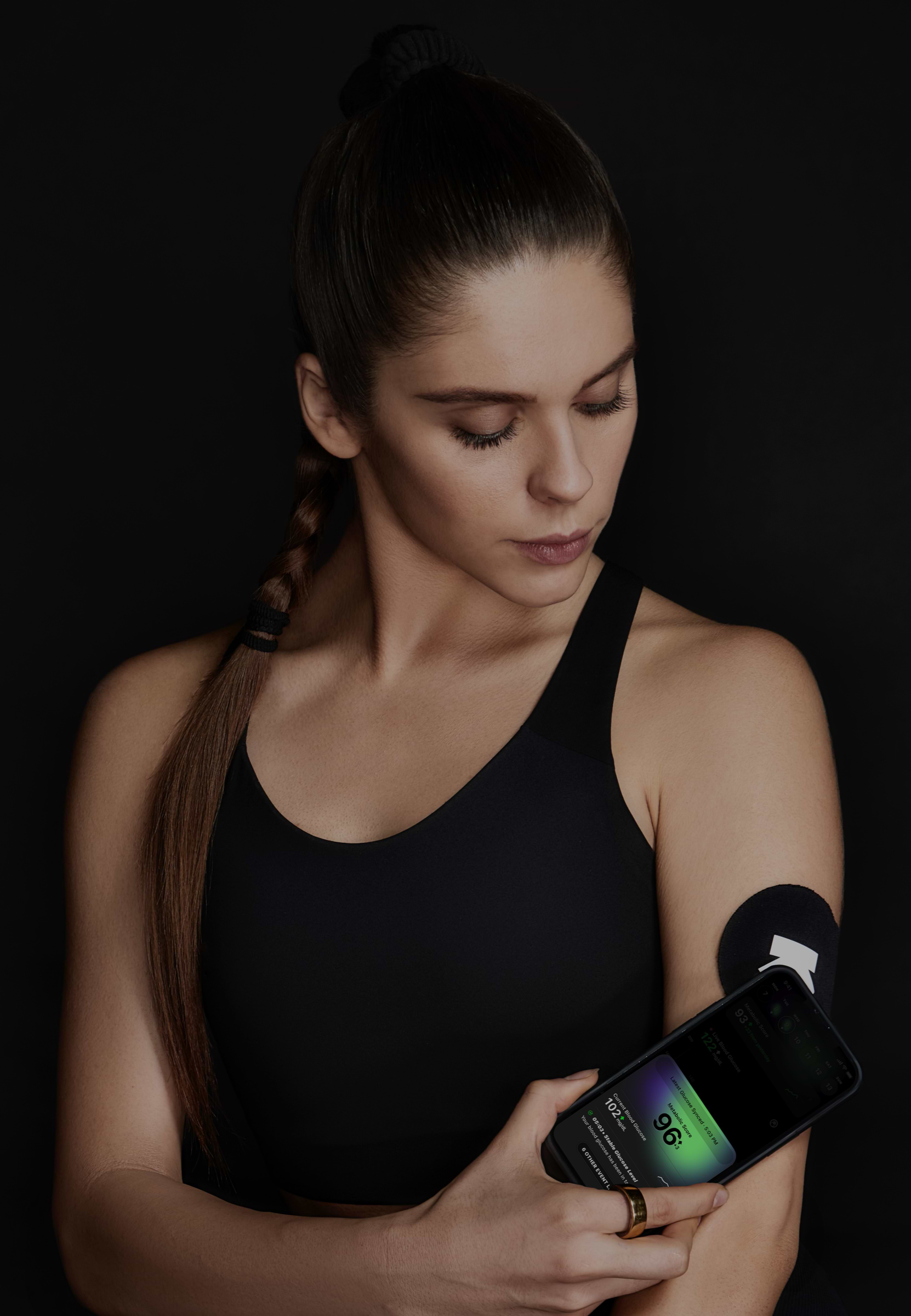
Discover
metabolic
health with M1
Ultrahuman M1 helps you measure the impact of food and activity on your body in real time through glucose as a biomarker.
Explore Ultrahuman M1Find Glucose response for your favourite foods
Explore OGDbYour cart is empty
Looks like you haven't added anything yet. Explore our products to get started.