

No Sugar Added Fat Free Chocolate Ice Cream (1 Cup)
 Dinner
114 mg/dL
avg. peak value
Usually causes a small spike
Avg. Food Score on Ultrahuman App
Ultrahuman Users got a STABLE response
Other related foods
- pre lightened coffee no sugar
- greek yogurt no added sugar
- muesli no added sugar
- no sugar added fat free chocolate ice cream
- tea with milk no sugar
- homemade filter coffee 20ml semi skimmed milk no sugar sweetener 200 ml
- home made filter coffee with whole milk no sugar
- english indian filter coffee no sugar
- no nonsense plant protein indonesian cacao
- no nonsense plant protein
How to consume No Sugar Added Fat Free Chocolate Ice Cream without glucose spikes
Portion Control
Limit your serving size of the ice cream to help manage the glucose response. Smaller portions mean less impact on your blood sugar levels.
Pair with Protein
Include a source of protein in your meal or snack. Foods like a handful of nuts, Greek yogurt, or a piece of lean meat can help slow down the absorption of sugars.
Add Healthy Fats
Incorporate a small amount of healthy fats, such as avocado slices or a spoonful of almond butter, to help moderate blood sugar spikes by slowing digestion.
Include Fiber
Pair your treat with high-fiber foods. Options like a small serving of berries, chia seeds, or a whole-grain cracker can help stabilize blood sugar levels.
Stay Active
Engage in light physical activity, such as a short walk, after consuming the ice cream. This can help improve insulin sensitivity and promote glucose uptake by muscles.
Hydrate Well
Drink plenty of water throughout the day, especially with meals, to help maintain optimal blood sugar levels and promote satiety.
Monitor Timing
Consider when you eat the ice cream. Eating it as a dessert after a balanced meal can minimize its impact compared to consuming it on an empty stomach.
Incorporate Vinegar
Adding a small amount of vinegar, such as apple cider vinegar, to your meal can help moderate blood sugar levels.
Choose Whole Foods
Whenever possible, complement your dessert with whole, minimally processed foods, which can assist in maintaining steadier blood sugar levels.
Mindful Eating
Eat slowly and savor each bite of the ice cream. This can help you feel satisfied with less, preventing overeating and rapid glucose spikes.
Discover
metabolic
health with M1
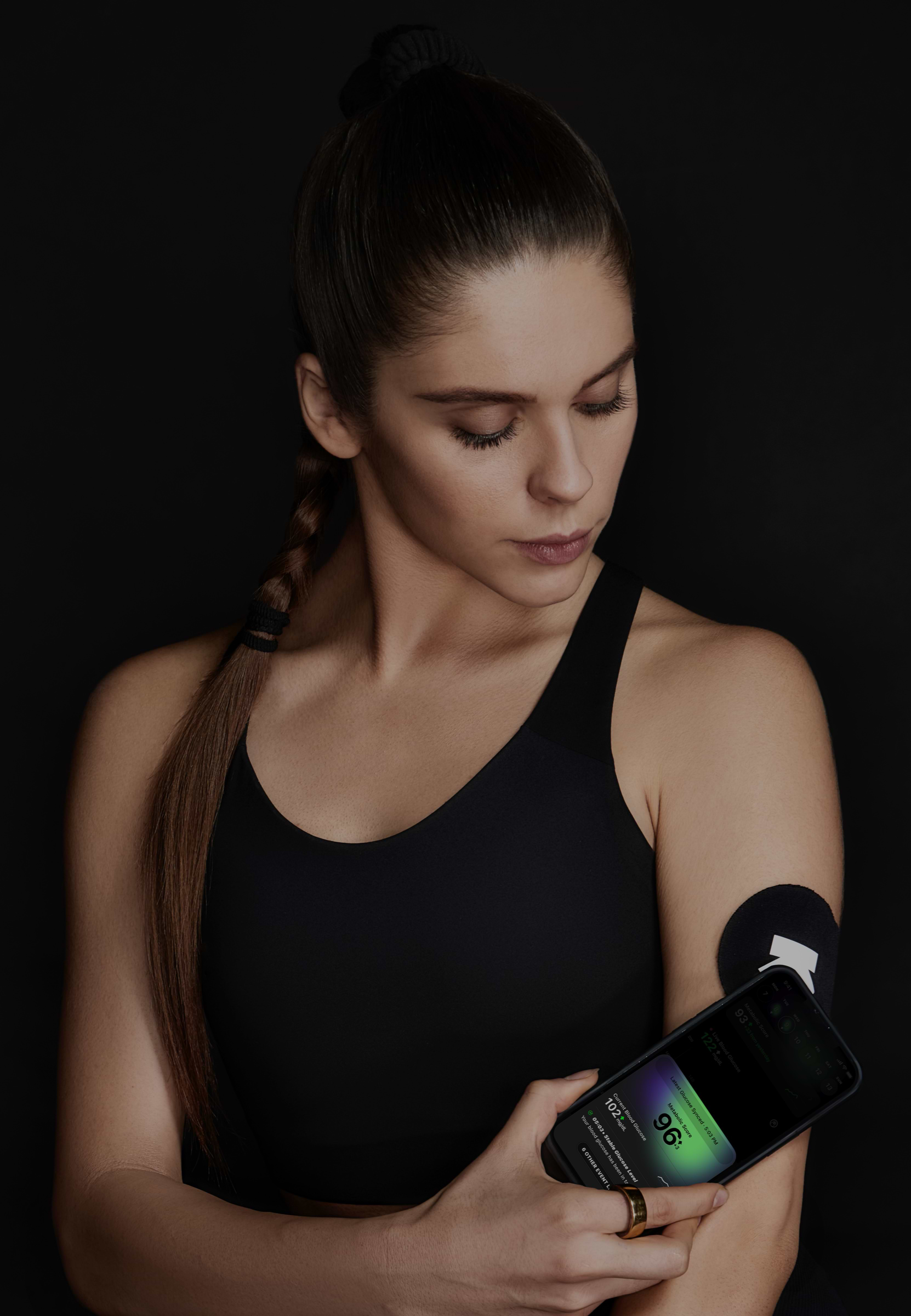
Ultrahuman M1 helps you measure the impact of food and activity on your body in real time through glucose as a biomarker.
Explore Ultrahuman M1Find Glucose response for your favourite foods
Explore OGDbYour cart is empty
Looks like you haven't added anything yet. Explore our products to get started.