
Quinoa (Cooked) (1 Cup, Cooked)
Lunch
139 mg/dL
avg. peak value
Usually causes a medium spike
Avg. Food Score on Ultrahuman App
Ultrahuman Users got an UNSTABLE response
How to consume Quinoa (Cooked) without glucose spikes

Pair with Lean Protein
Add a source of lean protein like grilled chicken, tofu, or legumes to your quinoa meal. Protein can help slow the absorption of carbohydrates.
Incorporate Healthy Fats
Include healthy fats such as avocado, nuts, or olive oil. These fats can help moderate the rise in blood sugar levels after eating.
Add Fiber-Rich Vegetables
Include non-starchy vegetables like spinach, kale, or broccoli. Their high fiber content can slow down the digestion of carbohydrates, leading to a more gradual increase in blood sugar.
Practice Portion Control
Keep an eye on portion sizes to avoid consuming excessive carbohydrates that could lead to spikes.
Opt for Whole Foods
Combine quinoa with other whole foods such as lentils or chickpeas to enhance fiber and protein content.
Stay Hydrated
Drink enough water throughout the day, as proper hydration can support overall metabolic processes.
Prioritize Cooking Methods
Cook quinoa with methods that retain its nutritional integrity, such as steaming or boiling, rather than frying.
Mind Your Meal Timing
Try consuming quinoa as part of a balanced meal that includes various macronutrients, instead of eating it alone.
Exercise Regularly
Engage in regular physical activity, which can help improve insulin sensitivity and manage blood sugar levels.
Monitor and Adjust
Keep track of your blood sugar response and adjust your dietary habits accordingly, possibly with the help of a healthcare professional.

Discover
metabolic
health with M1
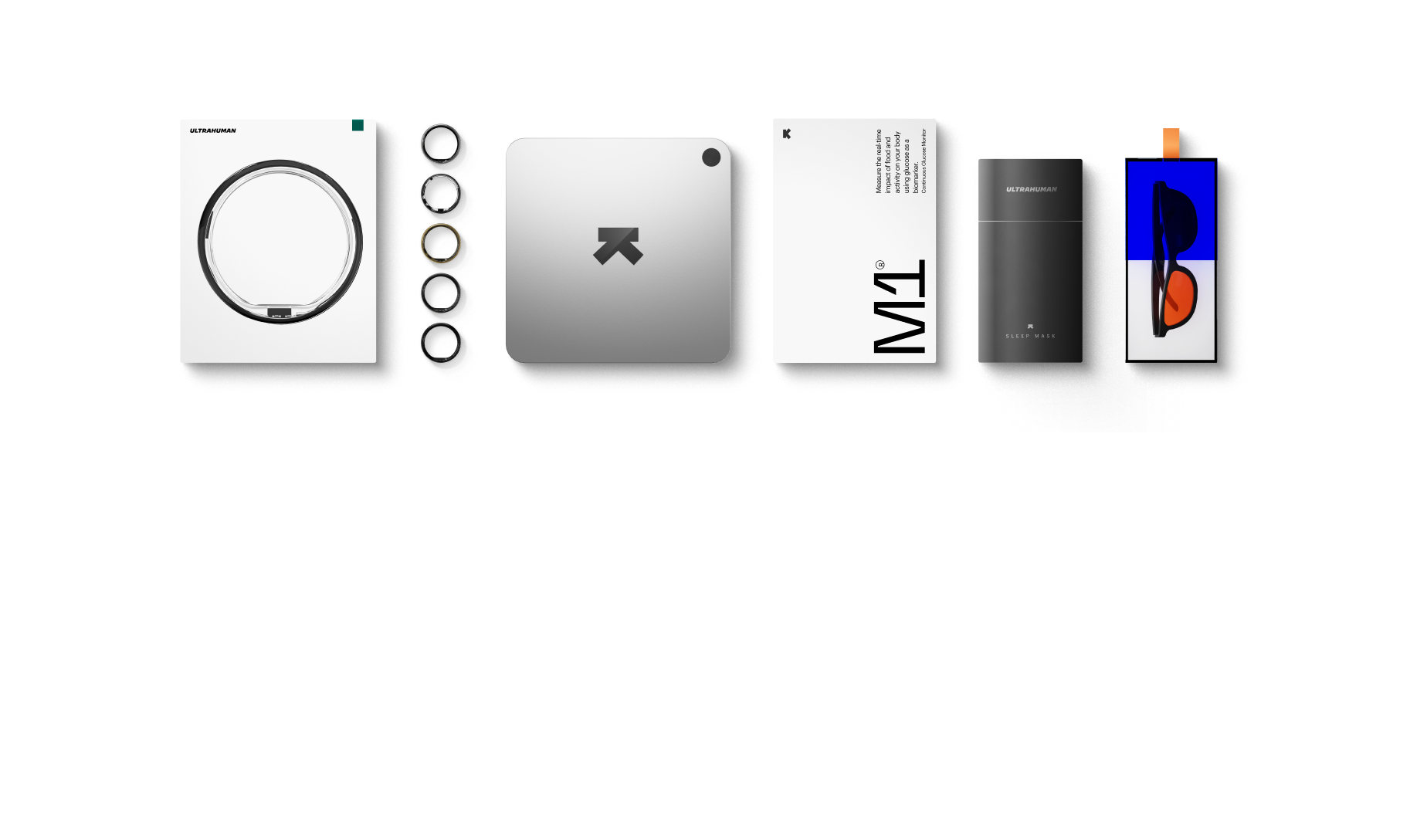
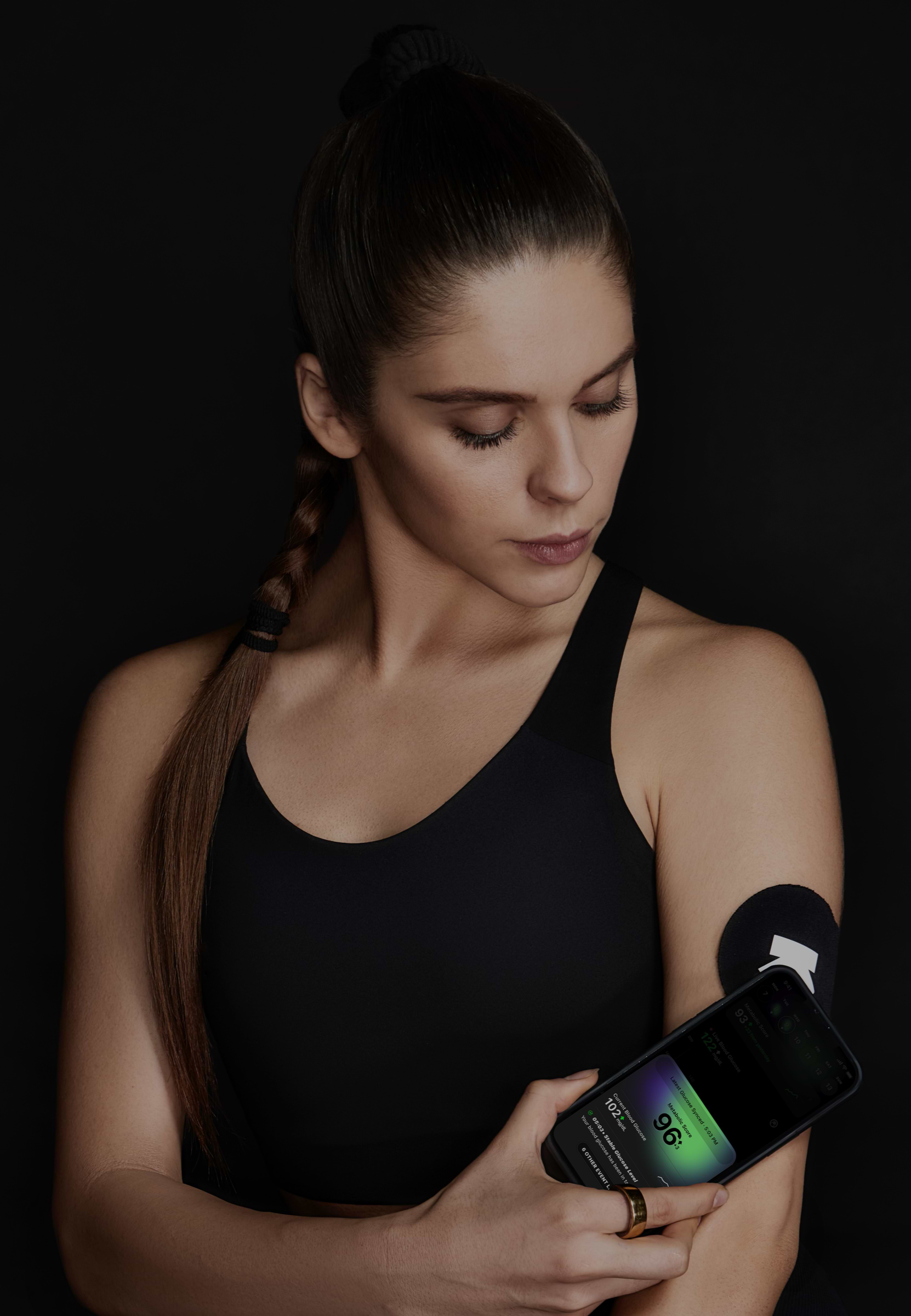
Ultrahuman M1 helps you measure the impact of food and activity on your body in real time through glucose as a biomarker.
Explore Ultrahuman M1Find Glucose response for your favourite foods
Explore OGDbYour cart is empty
Looks like you haven't added anything yet. Explore our products to get started.